tas-list-bad

The titles listed here have no business being called Super Discs.

Audiophile Reviewers Raved About This Doug Sax Tube-Mastered Mess

User comments

More of the music of Sergei Rachmaninoff (1873-1943)

The reviews below will sound depressingly familiar to you if you have been in audio for as long as I have.

Sonic Grade: F

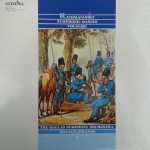
This Athena LP is now long out of print, but it received rave reviews when it was released. (We quote many of them below.) This album is a member of the TAS Super Disc list, but we found the sound awfully opaque, smeary, slow and compressed, the kind of bad “analog” sound that Doug Sax brought to the early AP releases. 

The sticker on the shrink wrap of a previous copy had these quotes:

“…for this is the definitive symphonic recording to date.” – J. Gordon Holt/ Stereophile

“Wins ‘Best Record of the Year’ award against tough competition.” – Joe Hart/High End Audio Press & Music Review

“HP heard the Athena remastering of the Rachmaninoff and found it stunning. He could recommend it without reservation.” – Harry Pearson/The Absolute Sound #57

I guess things never change.

And doubtlessly he continued to refer to himself in the third person until the end.

Reviewer malpractice? We’ve been writing about it for more than 25 years.

(more…)

This Lousy Gershwin Set Is on the TAS List?

More of the Music of George Gershwin

Hall of Shame 3 Record set that had us asking: Why would anyone want to own these awful records? Isn’t the music of George Gershwin better than this?

TAS List or no TAS List, the performances of the works listed below are much too slow to be taken seriously.

This is one of those records that make you wonder what the hell some audiophile reviewers, including Harry Pearson himself, must have been smoking back in the day.

I get that The TAS Super Disc List is about sound, not music, but the sound is not that great here either, and the bargain vinyl is the typical gritty, grainy, noisy crap that VOX records tend to be made with.

(more…)

Breakaway Is Generally Grainy, Harsh and Shrill

Reviews and Commentaries for TAS Super Disc Recordings

The problem with this album is that, for whatever reason, practically every copy you find is, to some degree, grainy, harsh and shrill in the loudest passages of the music. When the music gets loud, the sound often becomes strained and unpleasant. A copy like this one that doesn’t do that is the exception, not the rule.

Listen to the song ‘Disney Girls’ on side one. If you own the average pressing – odds are your copy is in fact quite average unless you went through a pile of copies and played them in order to find a good one – parts of that song will sound painfully hard and shrill, assuming your playing the record at the kinds of levels we do.

Which is the main reason I’ve never understand what qualified this record to be on the TAS Super Disc list. Now, having heard the best of the best copies sounding so big, rich and tubey, I can certainly say I hear what impressed HP (he likes that sound, as do we). It may indeed be a very well recorded album, but we feel it falls a bit short for our own Rock and Pop Top 100 List. (To be fair, as you know we play a lot of amazing albums around here.)

The Best Songs

The late Harry Pearson knew little about popular music and may have been more impressed by this album than those of us who play pop and rock albums by the boatload.

Most of the pop albums on his Super Disc TAS list are a joke. Only the people who listen almost exclusively to classical or jazz seem to take them seriously, in my experience anyway. (Check out the 12″ pop singles for a good laugh.)

(more…)

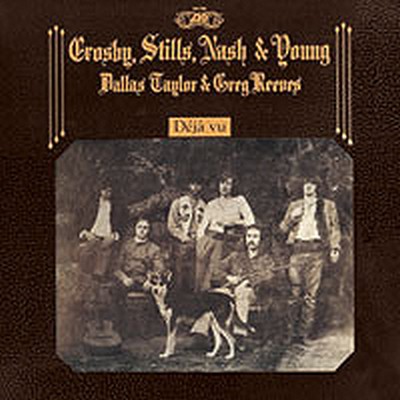
Deja Vu – This Classic Records Knockoff Is Not the Answer, But We Have One

Letters and Commentaries for Deja Vu

More CrosbyMore Stills / More Nash / More Young

An audiophile hall of shame pressing and another Classic Records rock LP badly mastered for the benefit of audiophiles looking for easy answers and quick fixes.

If you bought the Classic Record Heavy Vinyl pressing of Deja Vu, I hope you know how badly Classic Records ripped you off.

If you feel disrespected, you should. They took your money and gave you nothing of real value for it. The right CD (not the current one, that’s for damn sure) is dramatically better sounding than their vinyl reissue.

On the other hand, if you’re not too picky about sound quality and just want to play new records, perhaps because old records are hard to find and often noisy, then fine, the Classic should get that job done for you.

We of course want nothing to do with records like those remastered by Classic Records.

We only want to play good sounding records, and most Classic Records, including this title, are definitely not good sounding, not by our standards anyway.

Records Are in a Sorry State – Here’s What You Can Do About It

It’s a sad state that we currently find ourselves in, but is it really any different than it used to be? Audiophiles used to like half-speeds, they used to like Japanese pressings, they used to like direct to disc recordings with questionable sound and even more questionable music.

Now they like SACDs, Heavy Vinyl and 45s. If you ask me it’s the same old wine in a different bottle.

(more…)

Le Cid on Klavier – Now With Added Smile Curve

Presenting Yet Another Pressing Perfectly Suited to the Stereos of the Past

This hi-fi-ish Doug Sax/ Acoustic Sounds butchering of Fremaux’s performance from 1971 is insufferable. These Klavier pressings of EMI recordings are nothing but Audiophile Bullshit.

Can this possibly be the sound that EMI engineer Stuart Eltham was after?

Back in the day, audiophiles in droves bought this pressing from all the major mail order audiophile record dealers (you know who I’m talking about), apparently not noticing the overblown bass and spark-spark-sparkling top end. 

Perhaps the same audiophiles who think that Mobile Fidelity makes good sounding records? It would not surprise me. Same odd-tasting wine, different bottle.

The Smile Curve

If you’ve spent any time on this site, you should know by now that many audiophile records sound worse than the typical CD. The typical CD does not have an equalization curve resembling a smile. The classic smile curve starts up high on the left, gets low in the middle, and rises again at the end, resulting in boosted bass, boosted top end, and a sucked out midrange — the Mobile Fidelity formula in a nutshell.

If your system needs boosted bass and highs, perhaps because your speakers are too small, well, I suppose you could try this Klavier pressing.

Here’s a better idea.

Fix your f-ing stereo so you won’t need phony audiophile records like this one to make it sound good.

Either of the two records you see below will be dramatically better sounding than the Klavier Heavy Vinyl. The best pressings of this one win all the shootouts, but the Greensleeves Budget reissue pressing can also sound very good, with the better pressings earning a grade of 2+ or thereabouts.

(more…)

Teaser and the Firecat on Mobile Fidelity and Thoughts on the TAS List

Hot Stamper Pressings of the Music of Cat Stevens Available Now

We here at Better Records would like to give a shout out to The Man, Harry Pearson, for putting one of the worst MoFis of all time on his so-called Super Disc list.

Many many years ago we wrote:

In case you don’t already know, one of the worst sounding, if not THE WORST SOUNDING VERSION OF ALL TIME, is the Mobile Fidelity Anadisq pressing that came out in the ’90s. If you own that record, you really owe it to yourself to pull it out and play it. It’s just a mess and it should sound like a mess, whether you have anything else to compare it to or not.


Further Reading

The most serious fault of the typical Half-Speed mastered LP is not incorrect tonality or poor bass definition, although you will have a hard time finding one that doesn’t suffer from both.

It’s dead as a doornail sound, plain and simple.

And most Heavy Vinyl pressings coming down the pike these days are as guilty of this sin as their audiophile forerunners from the 70s and 80s. The average Heavy Vinyl LP I throw on my turntable sounds like it’s playing in another room. What audiophile in his right mind could possibly find that quality appealing? But there are scores of companies turning out this crap; somebody must be buying it.

If you are still buying these modern pressings, take the advice of some of our customers and stop throwing your money away on Heavy Vinyl pressings and Half-Speed mastered records.

People have been known to ask us: How come you guys don’t like Half-Speed Mastered records?

That’s an easy one. We’ve played them by the hundreds over the years, and we’ve found that as our ability to reproduce the sound of these records improved (better equipment, table setup, tweaks, room treatments, electricity and the like), the gap between the better non-Half-Speed mastered pressings and the Half-Speeds got bigger and bigger, leaving the Half-Speeds further and further behind, in the dust you might say, again and again, with so few exceptions that they could easily be counted on the fingers of one hand.

We’ve been playing Half-Speed mastered records since I bought my first Mobile Fidelity in 1978 or 1979. That’s forty years of experience with the sonic characteristics of this mastering approach, an approach we have found to have consistent shortcomings.

These shortcomings have somehow eluded the devotees of these records, how, we cannot imagine.

(That’s really not true, of course. Fans of Half-Speed mastered records are as clueless as I was starting out. Many of the records I used to swear by were Half-Speeds.

(more…)

Another Fine Entry for Our Hall of Shame (Now Nearly 300 Strong)

Hot Stamper Pressings of Pictures at an Exhibition Available Now

Classic Records Repress at 33, 45, or any other speed – they’re all terrible.

A Heavy Vinyl Disaster if there ever was one (and oh yes, there are plenty).

The shrillness, the hardness, the sourness, the loss of texture to the strings, the phony boosted deep bass — this is the kind of sound that makes my skin crawl. After a minute or two of listening to sound this bad, I have had it.

HP put this on his TAS List? Sad but true.

What do you get with Hot Stampers compared to the Classic Heavy Vinyl reissue? Dramatically more warmth, sweetness, delicacy, transparency, space, energy, size, naturalness (no boost on the top end or the bottom, a common failing of anything on Classic); in other words, the kind of difference you almost ALWAYS get comparing the best vintage pressings with their modern remastered counterparts, in our experience anyway.

Now if you’re a Classic Records fan, and you like that brighter, more detailed, more aggressive sound, our Hot Stampers are probably not for you. We don’t like that sound and we don’t like most Classic Records. They may be clean and clear but where is the RCA LIVING STEREO Magic that made people swoon over these recordings in the first place? Bernie manages to clean that sound right off the record, and that’s just not our idea of hi-fidelity.

Our Hot Stamper Classical Pressings will be dramatically more transparent, open, clear and just plain REAL sounding than practically any record Classic Records ever made, if only because these are all the areas in which heavy vinyl pressings tend to fall short in in our experience.

Overtures and Dances with Reiner – Were We Wrong? Probably

Hot Stamper Pressings of TAS List Super Disc Albums

Reviews and Commentaries for TAS Super Disc Recordings

This is a very old commentary. Lately every copy of this record that we have auditioned has left us wondering: what is the appeal?

Take this review with a large grain of salt and don’t spend a lot of money on this title unless you can easily return it.

We don’t think it sounds very good, and rather than continue to buy more copies, we are going to give up and write it off as a lost cause, TAS List or no TAS List.

This RCA Pink Label TAS List LP plays Mint Minus. Side one of this record sounds AMAZING, especially the Dvorak piece.

Here are the comments for the copy we recently sold on the site:

Superb string tone. This is one record that deserves to be on the TAS list, and you have to give Harry credit for going against the audiophile tide and recognizing a cheap, thin pink VIC! Side one sounds incredible. I do not ever recall hearing sound like this on this Victrola. It’s demonstration quality sound.

Classic Records remastered this record not long ago and ruined it.

This is what it’s supposed to sound like. (more…)

Famous Blue Raincoat – How Do the Various Vinyl Versions Sound?

More of the Music of Jennifer Warnes

More of the Music of Leonard Cohen

What’s interesting about the Cypress LPs is that they come two very different ways. Most of them are ridiculously thin, bright, grainy and digital sounding. This explains why some audiophiles in the past have preferred the Canadian pressings: they are smoother and fuller.

However, compared to the good stamper domestic versions they are dull and lifeless.

The Classic 180 gram reissue that came out a number of years ago was somewhere in between the good stamper originals and the bad stamper originals. The better sounding Cypress pressings absolutely MURDER it.

As far as the new Cisco 45 RPM pressings are concerned, we’ve never bothered to crack one open and play it. It’s been quite a while since Bernie cut any record that we thought sounded good, and some of his recent work has been unbelievably bad (the Doors box comes readily to mind), so we’ve never felt motivated enough to make the effort.

He cut many versions of this record as you probably know, some of which have turned out to be Hot Stampers, but that was a long time ago.

Does the Audio World really need another Heavy Vinyl Debunking entry from us? If Heavy Vinyl pressings are giving you the sound you want, you sure don’t need to be wasting your time on our site.

Those sacred cows get slaughtered pretty regularly around here.

(more…)

Time Out Is a Classic Case of Live and Learn

More of the Music of Dave Brubeck

Reviews and Commentaries for Time Out

Another example of We Was Wrong

When we did a shootout for this album way back in October of 2007, we took the opportunity to play the Classic Records 200 gram pressing. Maybe we got a bad one, who knows, but that record did not sound remotely as good as the real thing. (6 eye or 360, both can be quite good. Skip the Red Label ’70s reissues.)

The piano sounded thin and hard, which was quite unexpected given the fact that we used to consider the Classic LP one of their few winners and actually recommended it.

As we said in our shootout: “We dropped the needle on the Classic reissue to see how it stacked up against a serious pressing. Suffice it to say, the real Time Out magic isn’t going to be found on any heavy vinyl reissue!”

If I were in charge of the TAS Super Disc List, I would not have put this record on it.

Here are some others that we think do not qualify as Super Discs.

(more…)