Bones Howe, Engineer – Reviews and Commentaries

The Association Greatest Hits – Gold, Green or Palm Tree?

Hot Stamper Pressings of Sixties Pop Recordings Available Now

UPDATE 2025

This commentary was written way back in 2008. It appears to confirm much of the conventional wisdom we criticize when it comes to records and the sonic qualities of their various pressings, but sometimes the conventional wisdom turns out to be right.

Not just sometimes, but most of the time. That’s why rules of thumb seem to work more often than not.

It’s all the times that they don’t work that are the problem, the exceptions to the rule, especially if one of those exceptions just happens to be a favorite album of yours.

Then you’re really up a creek. You followed a general rule that sometimes works and sometimes fails and now you really don’t know of any other way to solve the problem. Fortunately for readers of this blog, we do.

For more on The Association, please click here.


The sound on this record is as good as this album gets. Don’t think you’re too cool to enjoy this 60s pop rock. These songs are still a blast and very enjoyable. The sound on this record is as good as this album gets. 

I did a shootout with this copy and a later pressing just now, after having just listed a Gold Label Original LP of Insight Out, which allowed me to compare the sound of three different generations of Warner Brothers records.

I heard pretty much what you would expect to hear. The best Gold Label pressings have the most sweetness, richness, the best bass (amazingly good for a ’60s pop recording) and the most Tubey Magic.

The Green Label Greatest Hits sounds very sweet and analog, but it’s obviously made from sub-generation copy tapes, as Greatest Hits albums usually are. Still the sound is very smooth and sweet. There is a loss of transparency but the tonality is correct.

The Palm Tree Label pressing, the best sounding one I’ve ever heard by the way, is brighter and more modern sounding. On some tracks that brightness helps cut through the murk, but most of the time it sounds more transistory and less musical.

So this Green Label copy has the best sound for all the hits. If you want better sound, you have to find the right pressings of the individual albums. Since most of those are full of filler, this is actually a pretty good way to go.

(more…)

Bones Howe Knocked Windy Right Out of the Park

More Hot Stamper Pressings of Tubey Magical Rock Recordings Available Now
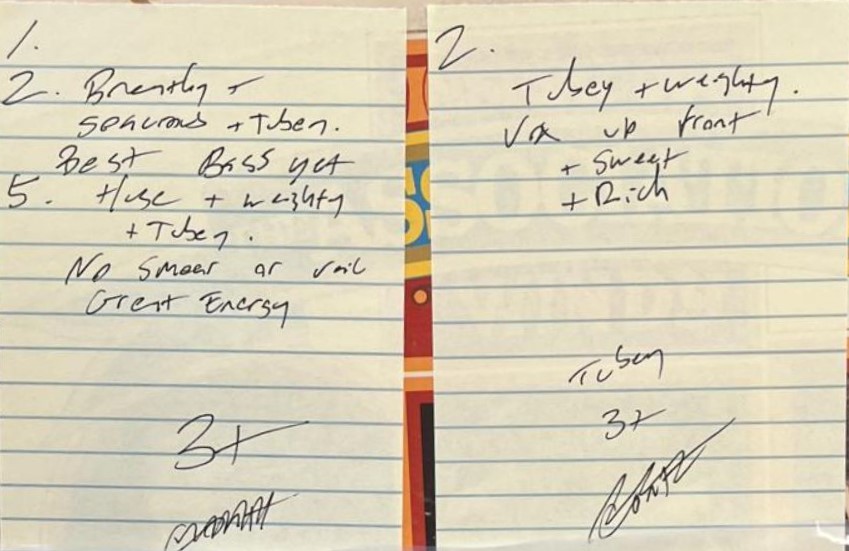
We describe the 2-pack currently on the site (as of 4/2025) this way:

The Tubey Magical sound, the lively, tight playing by The Wrecking Crew, not to mention some killer chart-topping 60s pop, make this THE Association album to own.

With these copies the Sound of the Sixties will fill your room like never before – wall to wall, floor to ceiling, with layers upon layers of analog depth.

These original Gold Label stereo pressings are have the potential to be the best sounding, with the ideal balance of richness and clarity.

Potentially is the key concept when it comes to understanding this and every other record. Again, the label is no guarantee of top quality sound. Only proper cleaning, revealing stereos and careful shootouts make it possible to recognize the best sounding pressings.

As you can see by the notes for a different, but equally good copy below, many aspects of the sound caught our attention on side one of this particular copy. (It turned out to have unacceptable amounts of noise on one of its side, hence the 2-pack.)

I have boldened three that I think did the most heavy lifting to put it over the top:

  • Breathy
  • Spacious and tubey
  • Best bass yet
  • Huge and weighty and tubey
  • No smear or veil
  • Great energy

Side two was every bit as good:

  • Tubey and weighty
  • Vocals up front and sweet and rich
  • Tubey (I tell you!)

The master of Tubey Magical pop recording is, of course, a Mr. BONES HOWE.

 You would be very hard pressed to find a pop or rock recording from 1967 that sounds as good as a Hot Stamper Insight Out. (Sgt. Pepper comes to mind, as well as some of these other Must Own titles, but Insight Out sets a fairly high bar most of them will have trouble getting over.)

Can you imagine the Mamas and the Papas or The Jefferson Airplane with this kind of rich, sweet, open, textured, natural, tonally correct sound quality?

The midrange is pure Tubey Magic. If you have the kind of system that brings out that quality in a recording, you will go wild over this one. In fact, it’s so good it made me appreciate some of the other songs on the album which I had previously dismissed as filler. When you hear them sound this good, you may change your mind about them too.

Hal, Joe and Bones

The real stars of Windy (and the album itself) are Hal Blaine and Joe Osborne, the famous session drummer/ bass player team. It is they who create the driving force behind these songs. Osborne’s website puts Windy front and center as the first track demonstrating what a top rhythm section can do for a pop song. This whole album can be enjoyed simply for the great drum and bass work, not to mention the sound that both of those instruments are given by the pop recording master Bones Howe.

He produced and engineered the show here; Bones is a man who knew his way around a studio as well as practically anybody in the 60s. He’s the one responsible for all the Tubey Magic of the recording. That’s his sound. If you are a fan of that sound, will find much to like here.

Bouncing Tracks

Never My Love is clearly the best sounding track on the album. Those of you with better front ends will be astonished at the quality of the sound. Windy also sounds excellent, but I hear some sub-generation harmonic distortion, probably caused by bouncing down some of the tracks to make room for others.

This is the era of the four track machine, and when four of the tracks are used up they are bounced down to one track, making available three new tracks. Some of the albums from this era — the Mamas and the Papas come to mind — have multiple bounces, three and four deep, which accounts for the distortion that you hear all through their recordings. The two-track finished master might have upwards of five tape generations or more on some instruments or vocal parts.


UPDATE 2025:

In our shootout notes, no mention was made of any problems with the sound of the song Windy.  The harmonic distortion we mentioned above may be an artifact of some of our previous limitations in cleaning and playback. Those of you with a top quality copy may want to listen for yourself and see if you hear the harmonic distortion we describe.


(more…)

Original Is Better? Sez Who?

Hot Stamper Pressings that Sound Their Best on the Right Reissue Available Now

Which albums sound better on the right vintage reissue pressing?

These do.

Just to take one example: The original Reprise pressing of Jazz Waltz, whether in mono or stereo, has never sounded very good to us. The mono is quite a bit worse than the stereo – no surprise there – but both must be considered poor reflections of the master tape.

We sold one many years ago, describing it this way: “Beautiful Original with decent sound — rich, smooth and sweet.” Which it was, but from us that’s little more than damning it with faint praise.

The Discovery pressing is so much bigger, clearer and livelier it’s almost hard to imagine it and the 1962 Reprise original were both made from the same tape.

Something sure went wrong the first time around — I think it’s safe to say at least that much.

Does the Original Always Have the Best Sound?

Not for those of us who play records rather than merely collect them.

Leave the originals for the Jazz Guys. The Hot Stamper pressings of the reissues are perfect for us music loving audiophiles.

Don’t be put off by the title; these are not some sleepy old-fashioned waltzes. This is swingin’ West Coast jazz at its best. Of course, the arrangements are done in waltz time, but that doesn’t keep them from swingin’.

And the amazingly good sound? Credit Bones Howe, a man who knows Tubey Magic like practically no one else in the world. The Association, The Mamas and the Papas, The Fifth Dimension, and even Tom Waits — all these brilliant recordings are the result of Bones Howe’s estimable talents as producer and engineer.

(more…)

Why Can’t Anybody Remaster As Well As Dave Ellsworth Nowadays??

More of the Music of Marty Paich

More Jazz Recordings of Interest

If you large group swinging West Coast Jazz is your thing – think Art Pepper Plus Eleven – you will really get a kick out of this one.

Albert Marx was the producer of the original sessions back in 1957. Fast-forward to the ’80s and Marx is now the owner of his very own jazz label, Discovery Records. Who would know the sound of the original tapes better than he? Working with Dave Ellsworth at KM, Marx has here produced one of the best jazz reissues we’ve heard in years.

We finally got hold of an original, and sure enough, it had some of the qualities we might have guessed it would have.

It was big and rich, as expected, but it was also crude and gritty, like a lot of old jazz and pop vocal records from the ’50s are.

The reissue not only got rid of those problems, but because it was cut properly on much better mastering equipment, it was also more open and resolving of studio space and detail.

If you want to know what a properly remastered record sounds like, this pressing will show you. It should also make clear that the second-rate pressings being made today are a disgrace, pure and simple, a drum we have been beating on for at least the last fifteen years.

If only these modern engineers could put together the quality mastering chain that Albert Marx had available, as well as Dave Ellsworth and his team, not to mention the knowledge of how to use it, and the critical listening skills required to get it right and to recognize when it was right.

Practically all of the qualities missing from modern records are found right here on this budget Discovery pressing. If more reissues sounded like this, we seriously might have to rethink our business model.

But modern reissues don’t sound like this. They practically never do. Which makes the service we offer more necessary than ever.

And if you can’t afford our records, we tell you how to find your own Hot Stampers.

(more…)

Listening in Depth to Insight Out

More of the Music of The Association

Presenting another entry in our extensive Listening in Depth series with advice on what to listen for as you critically evaluate your copy of Insight Out. Here are some albums currently on our site with similar Track by Track breakdowns.

Never My Love is clearly the best sounding track on the album. Those of you with better front ends will be astonished at the quality of the sound. Windy also sounds excellent, but I hear some sub-generation harmonic distortion, probably caused by bouncing down some of the tracks to make room for others.

This is the era of the four track machine, and when four of the tracks are used up they are bounced down to one track, making available three new tracks. Some of the albums from this era — the Mamas and the Papas come to mind — have multiple bounces, three and four deep, which accounts for the distortion that you hear all through their recordings. The two-track finished master might have upwards of five tape generations or more on some instruments or vocal parts.

Side One

Wasn’t It a Bit Like Now (Parallel ’23)
On a Quiet Night

This is an interesting track, one I never fully appreciated before. It sounds just like the Mamas and the Papas! Perhaps Bones Howe, the man who recorded both groups, had something to do with the crossover harmonies and similiar arrangements. Either way, it’s one of the stronger songs on the album.

(more…)

The Real Stars of Windy – Bones Howe and The Wrecking Crew

More of The Association

The master of Tubey Magical pop recording is Mr. BONES HOWE

The sound of the sixties will fill your room like never before — wall to wall, floor to ceiling, with layers upon layers of depth. You would be very hard pressed to find a pop rock recording from 1967 that sounds as good as a Hot Stamper Insight Out. (Sgt. Pepper comes to mind, but what else?) Can you imagine the Mamas and the Papas or The Jefferson Airplane with this kind of rich, sweet, open, textured, natural, tonally correct sound quality?

The midrange is pure Tubey Magic! If you have the kind of system that brings out that quality in a recording, you will go wild over this one. In fact it’s so good, it made me appreciate some of the other songs on the album which I had previously dismissed as filler. When you hear them sound this good, you can actually enjoy them.

Hal, Joe and Bones

The real stars of Windy (and the album itself) are Hal Blaine and Joe Osborne, the famous session drummer/ bass player team, who create the driving force behind these songs. Osborne’s web site puts Windy front and center as the first track demonstrating what a top rhythm section can do for a pop song. This whole album can be enjoyed simply for the great drum and bass work, not to mention the sound that both of those instruments are given by the pop recording master Bones Howe.

He produced and engineered the show here; Bones is a man who knew his way around a studio as well as practically anybody in the ’60s. He’s the one responsible for all the tubey magic of the recording. That’s his sound. Those of you who appreciate that sound will find much to like here.

Bouncing Tracks

Never My Love is clearly the best sounding track on the album. Those of you with better front ends will be astonished at the quality of the sound. Windy also sounds excellent, but I hear some sub-generation harmonic distortion, probably caused by bouncing down some of the tracks to make room for others.

This is the era of the four track machine, and when four of the tracks are used up they are bounced down to one track, making available three new tracks. Some of the albums from this era — the Mamas and the Papas come to mind — have multiple bounces, three and four deep, which accounts for the distortion that you hear all through their recordings. The two-track finished master might have upwards of five tape generations or more on some instruments or vocal parts. (more…)

Tom Waits / Heartattack and Vine in 2020

Hot Stamper Pressings of the Music of Tom Waits

Surprisingly, it took us until 2025 to do our first real shootout for this album. Here is what we had written in 2020 before then.


One of the better copies of Heartattack and Vine we’ve ever heard! We enjoy listening to the music of Tom Waits here because the music and sound can be excellent. His albums are certainly a nice change of pace from the stuff that’s usually on our table. We had quite a few copies of this one and none of the other ones were in a league with this bad boy. The sound is very rich and full with incredible immediacy to the vocals. You just couldn’t get the vocals to sound any better than they do on this copy.

This obviously ain’t your everyday Classic Rock album — Waits’ music is an acquired taste and certainly not for everyone. Those of you who appreciate Randy Newman are likely to get a lot out of this one.


Side One

Heartattack and Vine
In Shades
Saving All My Love for You
Downtown
Jersey Girl

Side Two

‘Til the Money Runs Out
On the Nickel
Mr. Siegal
Ruby’s Arms

AMG  Review

Heartattack and Vine, Tom Waits’ first album in two years and his last of seven for Asylum Records, is a transitional album, with tracks like the rhythm-heavy title song and “‘Til the Money Runs Out” foreshadowing the sonic experiments of the Island albums, while piano-with-orchestra tracks like “Saving All My Love for You” and “On the Nickel” (written as a motion-picture title tune) hark back to Waits’ Randy Newman-influenced early days. It is just as well that Waits never entirely gave up on the ballad material.