lean-tonality

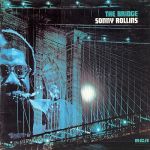
How Good Are the Later Reissues of The Bridge?

When we did this shootout ten years ago, we thought the reissues with the cover you see to the left actually sounded better than the original pressings, but we were wrong and we have to admit it, as painful as that may be.

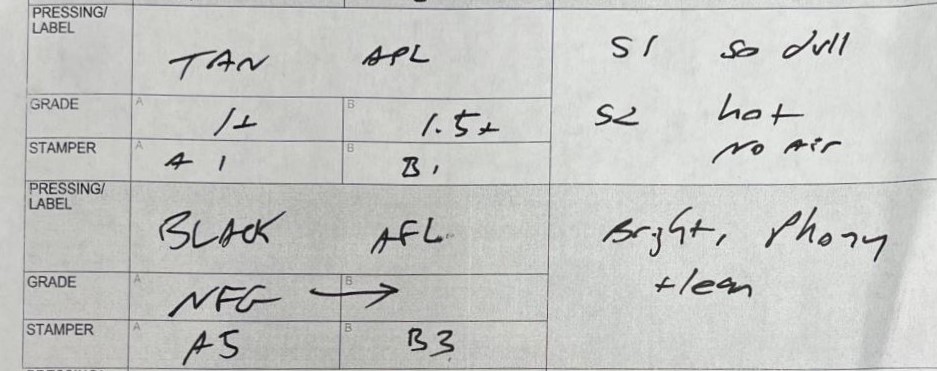
True, we never cared much for the later reissues described below — the tan labels can be passable but fall well short of the standards we set now.

However, even the best orange label pressings from 1975 don’t sound as good to us now as we thought they did ten years ago.

They can be good, but in our experience they can never be great.

Great is the sound that can only be found on the best originals, and they win all the shootouts now.

The notes for the AFL pressing with the black label describe it as bright, phony and lean.

This is the kind of sound better suited to the stone age stereos of the past.

I should know. I had a stereo all the way up until the late-90s — not exactly stone age quality, but far from the sound we have now — that prevented me from hearing my records with the highest quality reproduction.

As a result of the shortcomings of my system, I was wrong about a lot of records. (I loved DCC back in those days. Not that many years later I would undergo a “deconversion” as my stereo and critical listening skills improved.)

Of course, I was convinced my stereo was fantastic. It sure sounded better to me than any other system I’d ever heard, and by a long shot.

I had been working with expensive stereo equipment for more than twenty years at that point. The system I had put together by then cost a lot of money, played at loud levels with great energy, was in a dedicated room, et cetera, et cetera.

Are the audiophiles of today making the same mistakes I made back then?

Probably, if not almost certainly, and the one test we can use to determine which audiophiles have made the least amount of progress in this hobby are those who play records like the ones on this list and find nothing wrong with them. Their defense? “They sound just fine to me and who are you to say otherwise?”

Well, we’re the guys who say “you don’t know what you’re missing, and we have the superior-sounding pressing to prove it.”

Which, of course, as is the way of these things, almost always falls on deaf ears, pun intended.

Bottom Line

As of 2024, it’s clear to us that the early pressings have the potential for the best sound, but that the reissues can still sound very good, certainly quite a bit better than any Heavy Vinyl reissue is likely to.

Want to find your own top quality copy?

(more…)

Forget the STS Labels with Black Print on Images Pour Orchestra

More of the music of Claude Debussy (1862-1918)

None of the pressings on this later Stereo Treasury label that we played in our most recent shootouts were very good, unlike the Silver Print labels, which can sound quite respectable.

At this stage of the game, we’ve learned our lesson and will not be giving any more of the Black Label pressings a chance. This goes for practically all the records we’ve played on the later Stereo Treasury label. They rarely sound any good and just aren’t worth the trouble now that we know what the best pressings are.

Both the Ansermet on London and the Munch on RCA are better recordings, but both sell for quite a bit more money than the Stereo Treasury pressings we offer, so if you can’t see spending the kind of bread they command, there is a much more affordable alternative that is guaranteed to satisfy.

(more…)

Our Old Prediction for LSC 2563 Came True

Hot Stamper Pressings that Feature the Violin
Many years ago we wrote:

This is a very old review and it’s doubtful we would not prefer the right Shaded Dog pressing these days.

That turned out to be the case, as we had two late-label 70s Red Seal pressings in the shootout we just did and only one of them was even passable.

A few things about the new pressings and the old commentary caught my eye.

First off, 3s is a fairly low number. The Shaded Dogs that win the shootout must be lower, which means they are either 1s or 2s. Not much to choose from there!

Secondly, the commentary you see below goes into great detail regarding what each piece found on the pressing was doing right and wrong.

It makes us sound like we knew what we were talking about when it came to this specific Red Seal pressing of the album we had played.

I assure you that we did not.

On the web I come across lots of reviews for audiophile pressings in which the writers go on for page after page about how much better the new Heavy Vinyl pressing is compared to the old record the reviewer owns.

This is no longer hard for me to understand. They are simply as lost as I used to be.

(more…)

Bernie Leaned Out the Vocals on Morrison Hotel, to Ruinous Effect

Hot Stamper Pressings of the Music of The Doors Available Now

Sonic Grade: D (at best)

A few years back we played the 180 gram reissue of Morrison Hotel that came out in 2009. Initially we thought it pretty good, but the longer it played, the more leaned-out and unpleasant it sounded.

Just listen to the vocals — they’re all wrong.

Jim Morrison has one of the richest and most distinctive baritone voices in the history of rock. When he doesn’t sound like the guy I’ve been listening to for more than forty years, something ain’t right.

And what ain’t right — not to put too fine a point on it — is the sound of that record.

Here are a few commentaries you may care to read about Bernie Grundman‘s work as a mastering engineer in the modern era.

We much prefer the work he did back in the old days.

(more…)

Ravel, Falla – Bolero, Three Cornered Hat, etc. – Our Shootout Winner from 2011

Side two here has a SUPERB sounding Bolero, and an EVEN BETTER Alborado del Gracioso, possibly the best we have ever heard. Truly A Triple Plus sound.

As you probably know, Bolero is very hard to find on vinyl properly performed with audiophile quality sound. The sound of Bolero here is excellent: very natural, not harsh at the end where the trombones comes in, and not too compressed.

This is probably the biggest problem with most recordings of the work. Compression makes the quieter parts ravishingly open and clear, and positively ruins the climax with distortion caused by compressor overload.

A classic case of compression having sonic tradeoffs.

Alborado… has some of the best sound we have heard on London. It’s spacious, dynamic and clear. With an extended top end, the strings and horns sound harmonically correct. The orchestra from top to bottom is tonally correct as well.

Side One

The material on side one is not quite in the same league as that of side two, earning a grade of A+ for both works. The sound is a bit dry and lean, which means it is very detailed and clear but may not wear well unless your system is very rich and full in the lower mids and below.

My guess is that Old School Vintage Tube Equipment (or the modern equivalent thereof) may be just right for this side.

Either way, no matter what equipment you have, side two should be quite a thrill.

Side One

Weber / Berlioz – Invitation To The Waltz
Falla – The Three Cornered Hat

Side Two

Ravel – Bolero
Ravel – Alborado Del Gracioso

(more…)

A Bad Pressing Tells You… What, Exactly?

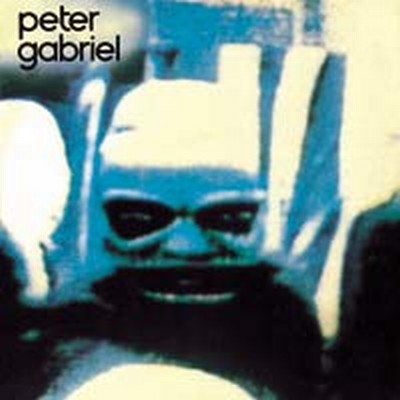
Hot Stamper Pressings of the Music of Peter Gabriel Available Now

I wrote this commentary many years ago after a review I spotted online prompted me to crack open one of the Classic Records 200 gram Peter Gabriel titles and play it.

Let’s just say the results were less than pleasing to the ear.

Bernie Grundman had worked his “magic” again. As usual I was at a loss to understand how anyone could find his mastering in any way an improvement over the plain old pressings, even the domestic ones.


[UPDATE 2022: This is a foolish statement on my part, since the domestic pressings are by far the best sounding versions of the album. Live and learn, right?]


The Original Commentary

I had a discussion with a reviewer for an audiophile web magazine concerning his rave review for the Peter Gabriel records that Classic pressed.

I have just now played one, and it’s not as bad as I thought it would be. But of course it’s not very good either.

Not surprisingly, reviewers have a tendency not to notice these things. I’m not exactly sure how these people are qualified to review records when the most obvious tonal balance problems seem to go unnoticed.

The Classic is brighter and less rich.

Like a lot of the records that Bernie Grundman has cut in the modern era, the tonality is off. It is simply too lean.

This is not the right sound for this album.

That’s Bernie for you. After all these years, no amount of mischief he did for Classic — or any other label — surprises me.

A Bad Record Tells You… What?

Which brings up something else that never fails to astonish me. How can an equipment review be trusted when the reviewer uses bad sounding records to evaluate the equipment he is testing? Aren’t we justified in assuming that if a reviewer can’t tell he is listening to a bad record, he probably can’t tell whether the equipment under review is any good either?

Here is a good example of a reviewer raving about a mediocre-at-best pressing in an equipment review.

A bad record tells you nothing about the equipment it is playing on.

Worse, it might complement the faults of the gear and end up sounding tonally correct. If you use So Long So Wrong as a test disc, what are you testing for, the hyped-up vocals or the harmonically-challenged guitars?

(more…)

Can You Hear the Bloated Bass on This DCC Pressing?

More of the Music of Linda Ronstadt

This review was written many years ago, around 2004 I think. This was one of the first DCC records I did a shootout with up against run-of-the-mill Mastering Lab domestic pressings, only to find, somewhat surprisingly, at least at that time, that the DCC came up short, as you will see in the review below.


As much as I admire Steve Hoffman’s work for DCC, on this title the DCC is not as good as the best domestic copies. The best domestic pressings are just plain more fun.

The DCC sounds thick in the midrange and fat in the bass, although some of that boost in the bass could have been used to the advantage of some of the domestic pressings we played. 1 DB or so at 50-60 cycles would help, but the DCC has a boost in the middle and upper bass that causes the bass to sound bloated next to a properly mastered, properly pressed LP. 

I like rich sounding records just like Steve does, but his version of this title is too rich for my blood. If your system is lean sounding you may prefer the DCC, but we found it less than agreeable over here.

Not sure why so few reviewers and audiophiles notice these rather obvious shortcomings, but we sure do, and we don’t like it when records sound that way. These are records for those who are not sufficiently advanced in the hobby to know just how compromised and wrong they are.

(more…)

Today’s Heavy Vinyl Mediocrity Is… Fragile

Hot Stamper Pressings of the Music of Yes Available Now

The Analogue Productions 180g reissue shown here is mastered by Steve Hoffman and Kevin Gray, two guys with reputations for doing good work, but the results of their collaboration [can you believe this record came out in 2006!?] leave much to be desired.

The overall sound is too lean.

This is especially noticeable on the too-thin-sounding guitars and vocals.

Believe me, it’s no fun to play a Yes album with thin guitars and vocals.

Also, there’s a noticeable lack of ambience throughout the record. What comes to mind when I hear a record that sounds like this is the dreaded D word: dubby.

I find it hard to believe they had the actual two-track original master tape to work with. The sound is just too anemic to have come from the real tape. If they did have the real tape, then they really botched the job.
(more…)

What Do You Mean by “Boxy” Sound?

More of the Music of Tchaikovsky

Many Golden Age classical records simply do not have very good sound, and this is one of them.

We’ve never heard a good sounding copy of LSC 2216, and we’ve played quite a number of them over the decades that we’ve been in the business of selling them. (LSC 1901, with Monteux conducting, is no better.)

A copy came in a while back so I figured it was time to give it a spin and see if there was any reason to change my opinion. Hey, maybe this one had Hot Stampers!

Can’t say it wouldn’t be possible. Unlikely, yes, impossible, no.

So here’s what I heard. No real top above 6k, hardly any bottom, but with a very wide stage – the textbook definition of “boxy sound.” (Dry and thin too, on a vintage RCA pressing no less!)

If you are a fan of Living Stereo pressings, have you noticed that many of them – this one for example – don’t sound good?

If you’re an audiophile with good equipment, you should have. But did you? Or did you buy into the hype surrounding these rare LSC pressings and just ignore the problems with the sound?

(more…)

MoFi Thought the Guitars on Sundown Could Use More “Sparkle”

Another Record Better Suited to the Stereos of the Seventies

Sonic Grade: F

An audiophile hall of shame pressing and another MoFi LP reviewed and found wanting.

I comment below about the ridiculous sound of the MoFi pressing of this album.

When you have a recording that is already plenty bright, adding more top end and taking out more lower midrange is the last thing in the world you should be doing.

Since that is standard operating procedure for MoFi (as well as most other Half-Speed mastering outfits), that’s exactly the approach they ended up taking.

Those of you who have had the opportunity to play the Mobile Fidelity pressing of this record should know what a disaster it is.

His voice sounds so phony on the MoFi that you’d swear it’s a bad CD.

But it’s not a bad CD. It’s an expensive audiophile record!

If you’ve spent any time on this blog, you should know by now that many audiophile records sound WORSE than the typical CD.

The typical CD does not have an equalization curve resembling a smile. The classic smile curve starts up high on the left, gets low in the middle, and rises again at the end, resulting in boosted bass, boosted top end, and a sucked out midrange — the Mobile Fidelity formula in a nutshell. (more…)