sparkly-acoustic-guitars

MoFi Sure Added Plenty of Sparkle to These Acoustic Guitars

Hot Stamper Pressing of the Music of Ry Cooder Available Now

This review is from many years ago. Hard to imagine I would not still agree with it though.

As you probably know, the MoFi of Jazz goes for big bucks nowadays — $500 and up. Is it worth it? 

You’ve got to be kidding. It’s a nice record as far as it goes, but it suffers from the same shortcomings as just about every Mobile Fidelity pressing we bother to play these days (with some obvious exceptions of course).

We have a test pressing, and knowing that the MoFi is the standard against which many audiophiles prefer to judge our Hot Stampers, we listened to it first before going about our comparison test.

Our MoFi copy is actually tonally correct, which was a bit of a surprise. (Yours of course could very well be otherwise.)

Right away we could hear exactly what people like about it, the same thing that has always impressed audiophiles about half-speed mastered records: their often outstanding transparency.

Jazz on MoFi has zero-distortion, utterly clear, spacious, see-through sound.

But listen past that and what do you hear?

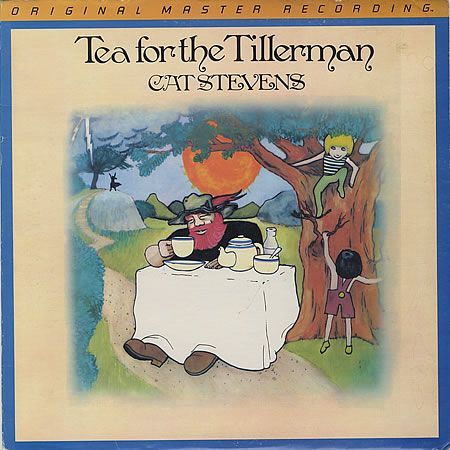
Don’t those guitars seem to have that MoFi Tea-for-the-Tillerman “sparkly” quality you hate: all pluck and no body, all detail and no substance?

Nothing has any weight.

Nothing has any solidity.

Nothing has any real life.

It’s pretty, maybe, but it sure ain’t right.

It’s the kind of sound that shouts out to the world “Hey, look at me, I’m an audiophile record! See how I sound? So clear! So clean!”

Which isn’t bad for about two minutes, and then it’s positively insufferable.

(more…)

Byrd at the Gate – Another Hyped-Up MoFi

An Audiophile Hall of Shame pressing and another MoFi LP reviewed [decades ago] and found seriously wanting.

This is a title Mobile Fidelity ruined (what else is new?), and having just played an early Riverside LP I can see how their mastering approach was — as is so often the case — misguided to say the least.

First off, the guitar and the drums on the original are tonally right on the money. They sound like bass and drums should. They sound, in a word, correct.

Mobile Fidelity felt it necessary to brighten up both and the results are a phony sounding guitar and phony sounding drums, with tizzy cymbals thrown in for good measure.

(The Wes Montgomery MoFi title has many of the same faults, but it’s not quite as bad as this one. We’ve had Hot Stamper copies of the originals so we know they can sound superb, some of RVG’s best work.)

The old Mobile Fidelity — the pre-Heavy Vinyl Mobile Fidelity — rarely met a master tape they didn’t think needed a healthy dose of top end boost. They also never understood what an acoustic guitar sounds like. They blew it on every last one of the Cat Stevens albums, brightening up the guitars, which, as we all know from playing with the treble controls on our receivers way back when, emphasizes the “picking” of the strings at the expense of the resonating guitar body as well as the vibrating string harmonics.

What makes Byrd At The Gate a good record is the natural acoustic guitar tone. Once you screw that up, what’s left?

An audiophile record, for audiophiles who like phony sounding guitars. (Chesky anyone?)

Another reason the Mobile Fidelity is such a joke is that this recording inherently has a lot of ill-defined bass. Since Half-Speed mastering causes a loss of bass definition, their pressing is even WORSE in this respect. Bad guitars, bad drums and bad bass — that pretty much covers everybody in the trio. Resulting score: 0 for 3. (more…)

MoFi Thought the Guitars on Sundown Could Use More “Sparkle”

Another Record Better Suited to the Stereos of the Seventies

Sonic Grade: F

An audiophile hall of shame pressing and another MoFi LP reviewed and found wanting.

I comment below about the ridiculous sound of the MoFi pressing of this album.

When you have a recording that is already plenty bright, adding more top end and taking out more lower midrange is the last thing in the world you should be doing.

Since that is standard operating procedure for MoFi (as well as most other Half-Speed mastering outfits), that’s exactly the approach they ended up taking.

Those of you who have had the opportunity to play the Mobile Fidelity pressing of this record should know what a disaster it is.

His voice sounds so phony on the MoFi that you’d swear it’s a bad CD.

But it’s not a bad CD. It’s an expensive audiophile record!

If you’ve spent any time on this blog, you should know by now that many audiophile records sound WORSE than the typical CD.

The typical CD does not have an equalization curve resembling a smile. The classic smile curve starts up high on the left, gets low in the middle, and rises again at the end, resulting in boosted bass, boosted top end, and a sucked out midrange — the Mobile Fidelity formula in a nutshell. (more…)

Cat Stevens and His Sparkling Acoustic Guitars?

More of the Music of Cat Stevens

In the commentary for America’s first album we noted that:

The guitars on this record are a true test of stereo fidelity. … most of the pressings of this record do not get the guitars to sound right. … on a copy with a bit too much top end they will have an unnatural hi-fi-ish sparkle. 

This kind of sparkle can be heard on many records Mobile Fidelity made in the ’70s and ’80s. Tea for the Tillerman, Sundown, Year of the Cat, Finger Paintings, Byrd at the Gate, Quarter Moon in a 10 Cent Town — the list of MoFis with sparkling acoustic guitars would be very long indeed, and these are just the records with prominent acoustic guitars!

(On a side note, if you want a very different sounding Mobile Fidelity record, try anything mastered by Jack Hunt. They are every bit as wrong, but in the tonally opposite direction: murky, fat and way too smooth. This is the sound favored by another audiophile label, this one, and the fact that audiophiles actually buy into this kind of third-rate sound is confounding to say the least.)

Next time you drop the needle on a Mobile Fidelity record — one of the ones pressed in Japan and mastered by Stan Ricker; the Anadisq series tends to have the opposite problem, no top end at all — listen carefully to the acoustic guitars and tell me if you don’t think they sound a tad sparkly.

We’ve all heard acoustic guitars up close, at parties and coffee shops and what-have-you. They don’t really sound like that, do they? I should hope not.

(more…)

MoFi Thought This Recording Needed More “Sparkle”

More of the Music of Emmylou Harris

An Audiophile Hall of Shame pressing and another MoFi LP reviewed and found wanting.

When you have a recording that is already plenty bright, adding more top end and taking out more lower midrange is the last thing in the world you should be doing.

Since that is standard operating procedure for MoFi (and other Half-Speed mastering outfits), that’s exactly the approach they ended up taking.

The sound that Emmylou and her producers were going for here is clean, detailed and low distortion, which is what the best pressings, the “hottest stampers,” deliver.

Those of you who have had the opportunity to play the Mobile Fidelity pressing of this record should know what a disaster it is.

Is brighter better? Apparently Mobile Fidelity thinks so. And they did the same thing to Gordon Lightfoot’s album. His voice sounds so phony on the MoFi that you’d swear it’s a bad CD.

But it’s not a bad CD. It’s an expensive audiophile record!

If you’ve spent any time on this blog, you should know by now that many audiophile records sound WORSE than the typical CD.

The typical CD does not have an equalization curve resembling a smile. The classic smile curve starts up high on the left, gets low in the middle, and rises again at the end, resulting in boosted bass, boosted top end, and a sucked out midrange — the Mobile Fidelity formula in a nutshell.

(more…)