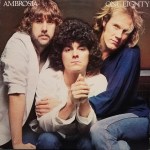
AMBROSIA is an album we admit to being obsessed with — just look at the number of commentaries we’ve written about it. It’s also part of our extensive Listening in Depth series. There is no question that this band, their producers and their engineers sweated every detail of this remarkable recording. They went the distance. In the end they brought in Alan Parsons to mix it, and Doug Sax to master it. The result is a masterpiece, an album that stands above all others.
It’s not prog. It’s not pop. It’s not rock. It’s Ambrosia — the food of the gods.
The one album that I would say it most resembles is Dark Side of the Moon. (Note the Parsons connection.) Like DSOTM, Ambrosia is neither Pop nor Prog but a wonderful mix of both and more.
Perhaps hearing Dark Side was what made you realize how good a record could sound. Looking back on it over the last thirty years, it’s clear to me now that this album, along with a handful of others, is one of the surest reasons I became an audiophile, and managed to stick with it for so long. What could be better than hearing music like this sound so good?
Although I didn’t discover the album until some time later in the 90s, I recognized the challenge it presented to my system, setup and room immediately, a subject I write about here.
The band’s first album is yet another record the deserves a great deal of credit for helping me become a better listener.
Side One
Nice, Nice, Very Nice
Once you know this record well, you can easily tell if you have a good side one within the first minute of this song. Side one has a tendency to be somewhat bright and even aggressive in places. This problem is further exacerbated by the typical copy’s lack of bass. The best copies have incredibly tight, punchy bass at the beginning of this song, and plenty of it. Phenomenal bass. Demo Disc quality bass.
If that’s not what you hear, you know you will soon be in for more problems. The vocals need to start out smooth, because they get brighter later on. Missing bass or added brightness are sure signs of trouble ahead. The lines “I wanted all things to make sense/ so we’d be happy instead of tense” will be aggressive on copies that are not tonally correct. And copies without tons of bass are not tonally correct, because the recording has tons of bass. It’s essential to the music. Any stereo incapable of providing the power in the lower octaves demanded by this recording is going to make a real mess of this one.