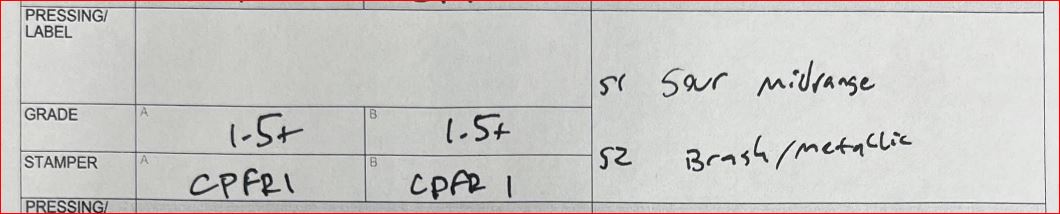
sheet

These listings have portions of our notes reproduced for those who want to learn more about stamper numbers and pressings variations.

3s Can Have Amazingly Good Sound, or 3s Can Have Mediocre Sound

Hot Stamper Pressings of Living Stereo Recordings Available Now

But how can you tell which 3s copies sound amazing and which 3s copies don’t?

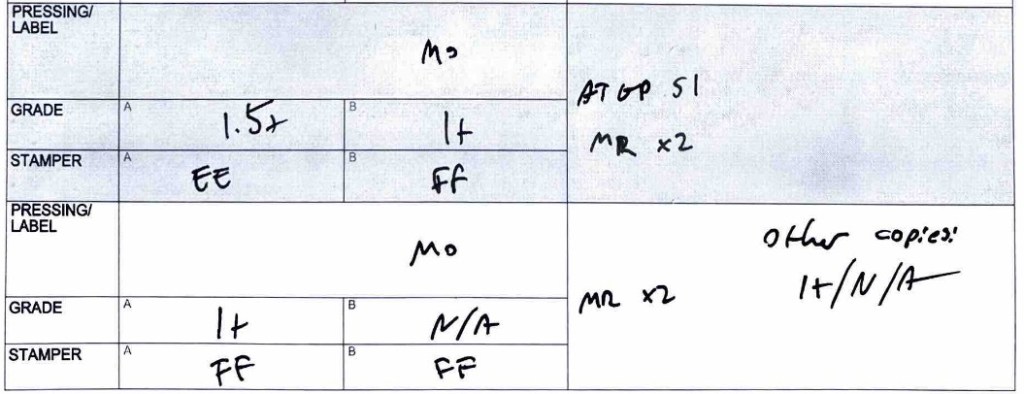
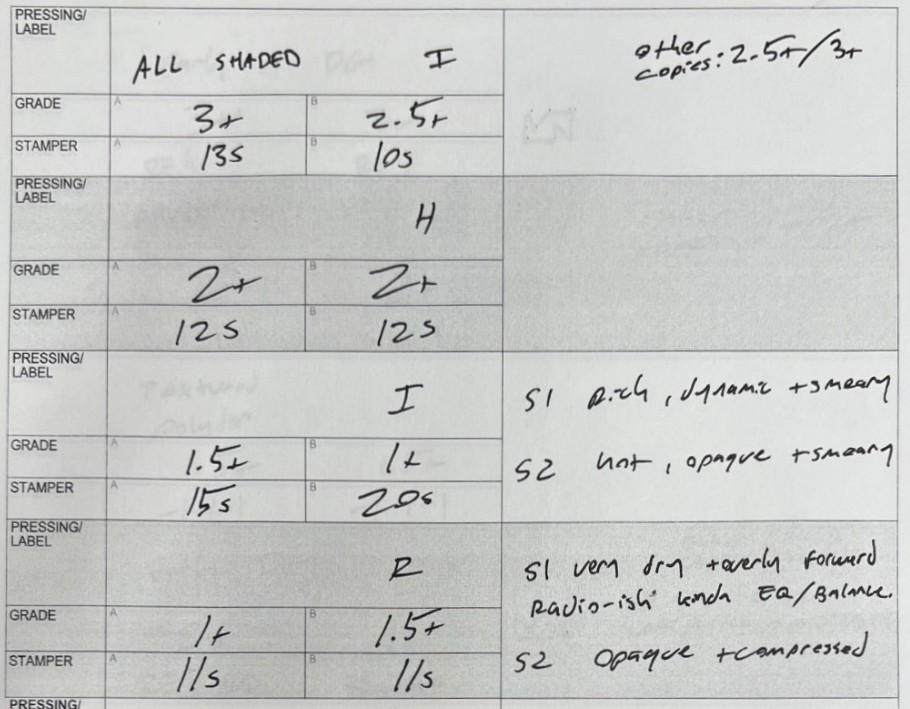
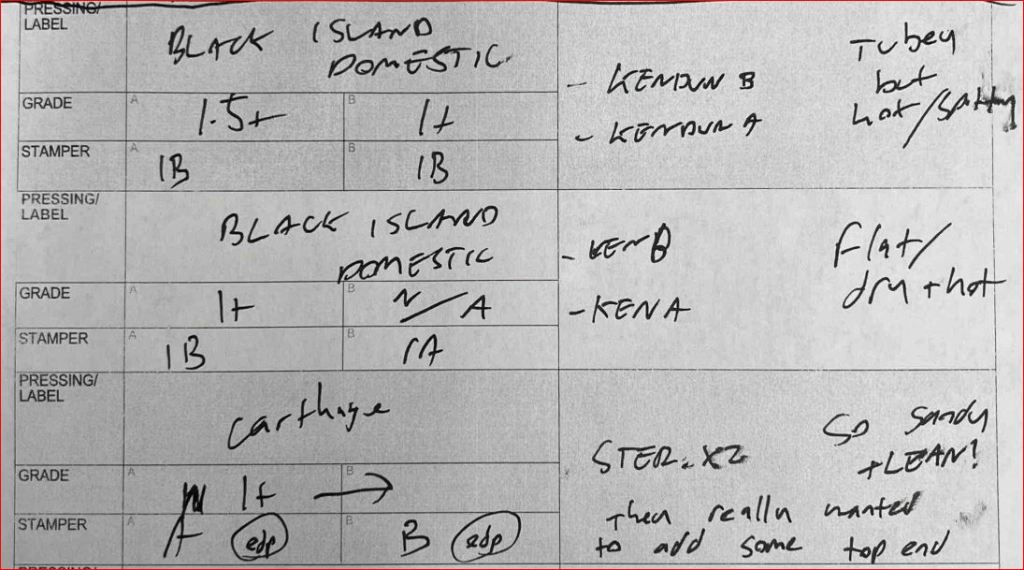
Below you will see the stamper sheet for a shootout we did not long ago.

A lot of our stamper sheets look like this one, close to half I would guess.

As you can see, the stampers and the sound are all over the map. This is not the least bit unusual in our experience. It’s simply the nature of records — they tend to come off the press with very different sound depending on factors that no one seems to understand very well, not even us!

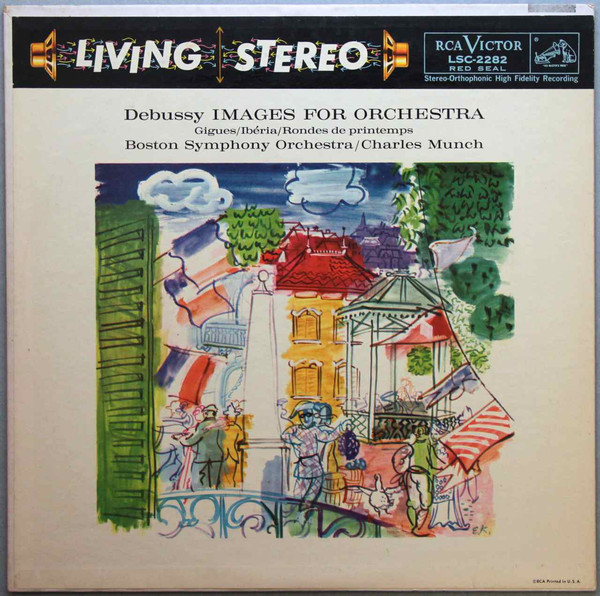
Note that the album you see pictured is not the record we did the shootout for.

(more…)

We Were Wrong about the Reissues of Christmas with Chet Atkins

Hot Stamper Pressings of the Music of Chet Atkins Available Now

In 2006 we wrote our review for an orange label RCA reissue of the album.

Recently we did a shootout for the album and only one side of one of the later orange label pressings earned a Super Hot (2+) grade.

Our system was noticeably darker and clearly far less revealing than the one we have now, and those two qualities did most of the heavy lifting needed to compensate for the shortcomings of the reissue reviewed below.

What I couldn’t hear on my system back in those days (and even as late as 2006) no doubt explains most of these kinds of errors. That’s why we are constantly harping on the idea that audiophiles would do well to get good sound before they spend a fortune on vinyl.

Higher quality playback is what makes it possible to recognize and acquire better sounding records.

(more…)

Does Year of the Cat on Mobile Fidelity Have Audiophile Sound?

Hot Stamper Pressings of the Music of Al Stewart Available Now

Our answer, judging by the copy we played not long ago, would be solidly in the negative. The final grade we awarded both sides was No, our way of saying the record is Not Good.

Below is a description for what a top copy of the album sounds like, based on our most recent shootout:

Incredible sound throughout this vintage Janus pressing of Stewart’s 1976 Masterpiece. With engineering by Alan Parsons, the top pressings are every bit the audiophile Demo Discs you remember. The best sides have sweet vocals, huge amounts of space, breathtaking transparency, and so much more.

Tubey Magical acoustic guitar reproduction is superb on the better copies of this recording. Simply phenomenal amounts of Tubey Magic can be heard on every strum, along with richness, body and harmonic coherency that have all but disappeared from modern recordings (and especially from modern remasterings).

But if you own the wrong Mobile Fidelity pressing — this one was reissued in 1981, the original came out in 1978, so there may be some other pressings that sound better than this one — you would never know how good sounding the album can be. We put a copy we had laying around in a shootout recently and the results were, not to put too fine a point on it, pretty painful.

As the notes make clear, the Mobile Fidelity pressing, with the stampers you see on the sheet above, is:

(more…)

Nilsson’s Aerial Pandemonium Ballet Sounds Absolutely Awful

Hot Stamper Pressings of the Music of Harry Nilsson Available Now

Tracks from the first two Nilsson albums were turned into this monstrosity in 1971. Some were remixed, some parts rerecorded, but whatever they did, they really screwed up the sound of the finished LP.

I cannot even say that the remixing and rerecording and editing are not an improvement on the songs found on the first album — they may be, it’s not a record I know well. What I do know is that this compilation is so bad sounding it doesn’t matter what they did or how well they did it. The record is simply unplayable.

We’ve never done a shootout for the first album, but the second album we know can have wonderful sound on the right pressings. We described a recent Hot Stamper of the second album this way:

Both of these sides are big, clear and full-bodied throughout – if you are a Nilsson fan, this copy is guaranteed to beat anything you’ve heard before, and by a wide margin.

All of the elements are working here – you get silky vocals, punchy bass, breathy brass, silky highs, superb immediacy, remarkable clarity, and the list goes on.

AMG writes:

4 1/2 stars: “As ‘Good Old Desk’ opens Aerial Ballet with a cheerful saunter, it’s clear that Harry Nilsson decided to pick up where he left off with his debut, offering another round of effervescent, devilishly clever pop, equal parts lite psychedelia, pretty ballads, and music hall cabaret.”

All true! Nilsson is one of my favorite artists to this day, 56 years after I first heard the album “Harry,” which is still a personal favorite and one I listen to regularly, along with many others, including a compilation I think is excellent, Personal Best — The Harry Nilsson Anthology.

However, this compilation is shockingly bad — It’s cut loud, and it’s very hot and crude. Ouch is right.

(more…)

You Say Your Shaded Dog Just Sounds Like an Old Record?

Hot Stamper Pressings of the Music of Tchaikovsky Available Now

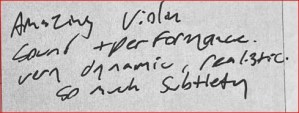
The better pressings of LSC 2328 have some of the best sound we have ever heard for The Nutcracker. We’ve played recordings of the work by the dozens, on the greatest Golden Age labels of all time, including the likes of Mercury, RCA and London. (Our current favorites of both the suites and the complete ballet are those conducted by Ansermet for Decca.)

The CSO, as one might expect, plays this work with more precision and control than most others. They also bring more excitement and dynamic contrasts to their performance, adding greatly to our enjoyment of the music.

Some may find the performances a bit rushed. That was our experience during our most recent shootout.

But skip 9s/6s. We had two copies and both of them sounded too much like an old record.

Pressings with those stampers might be passable, even to some degree enjoyable, especially when played on an old school system, but they would not be worth bothering with on the high quality modern equipment we use.

There are quite a number of other records that we’ve run into over the years with a catalog of obvious shortcomings — obvious to us but not necessarily to others — and we’ve broken them down into the three major labels that account for most of the best classical and orchestral titles we’ve had the pleasure to play.

(more…)

Porgy and Bess Gets the Speakers Corner Treatment, from Sterling No Less

Hot Stamper Pressings of Pop and Jazz Vocals Available Now

Here is how we described a recent Shootout Winning copy of Porgy and Bess.

Spacious, full-bodied and Tubey Magical, with Ella and Louis front and center, this is the sound you want to hear on their brilliant collaboration from 1958.

Two vocal giants came together to perform Gershwin’s timeless opera, revered by both music lovers and audiophiles to this day. If you’ve never heard exceptionally well recorded male and female vocals from the 50s, this is a great opportunity to have your mind blown.

Speakers Corner contracted Ryan Smith at Sterling to remaster their Heavy Vinyl pressing in 2013, which might sound like a wise move — Sterling has a good reputation around these parts, even if RKS does not — but the results were disastrous.

Or maybe it wasn’t such a good idea after all. Our notes tell the story of the sound, and it’s not pretty. Painful is actually the word that comes to mind.

Pity our poor listening panel that had to sit through a record that sounds as bad as this one does.

(This is a four sided set but we could not see the point in playing all of them when the first two sucked so badly.)

(Technically they don’t “have to” play these Heavy Vinyl pressings. We don’t force our talented staff to waste their time on modern records. They do it because they choose to, in order to have a better idea of what the competition is up to. Turns out the competition is up to no good.)

Our two sentence review should tell you everything you need to know. Let us hope it saves you from throwing your money away the way we did.

  • Loud, dry and pinched.
  • Hot vocals, no space, very sour and lacking bass.

When the voice is wrong, the sound is wrong. What more do you need to know?

And when the voice is wrong on a legendary recording such as this, you have a worthless piece of vinyl no matter how much you may have paid for it. (Current price on Discogs: about a hundred bucks.)

(more…)

FM Radio Sound on Blue Vinyl, Courtesy of a Mr. Gene Thompson

Hot Stamper Pressings of the Music of The Beatles Available Now

Here is how we described a recent Shootout Winning copy of 1967-1970:

This vintage import 2-LP compilation set boasts STUNNING Shootout Winning Triple Plus (A+++) sound or close to it on all FOUR sides. These pressings are rich, smooth and sweet, with plenty of Tubey Magic and little of the grain and grunge of most Brits (and don’t get us started on the domestics).

You get clean, clear, full-bodied, lively and musical ANALOG sound from first note to last. Like most compilations, some songs sound better than others, but “Don’t Let Me Down” and “Come Together” are two that really stand out here. For those of you out there who have never tried one of our Hot Stamper Beatles records, this may be the best sound you’ve ever heard from them. The CDs — even the new ones — sure don’t sound like this!

We are on record as finding the British pressings of 1967-1970 too bright; certainly most of them are anyway. The original domestic pressings, as anyone who has ever played one can attest, mastered at Sterling no less, are absolutely godawful.

Allow us to add one more to that group of pressings to avoid, the blue vinyl domestic pressings mastered by Gene Thompson. Based on how awful this pressings sounds, it would probably be wise to avoid his work in general.

The only artists who have earned the honor (ahem) of having their very own page on this blog are The Beatles. For those of you interested in learning more about their often amazing recordings, feel free to dig in to your heart’s delight.

(more…)

Could This Be More of the Sound Audiophiles Complain About with RVG’s Mastering?

Hot Stamper Pressings of the Music of John Coltrane Available Now

Some of the Rudy Van Gelder cuttings of this album were decent, but had you bought a copy with these stampers, you could be forgiven for using the man’s name in vain.

VAN GELDER in the dead wax is no guarantee of high quality sound, on any record. Records don’t work like that.

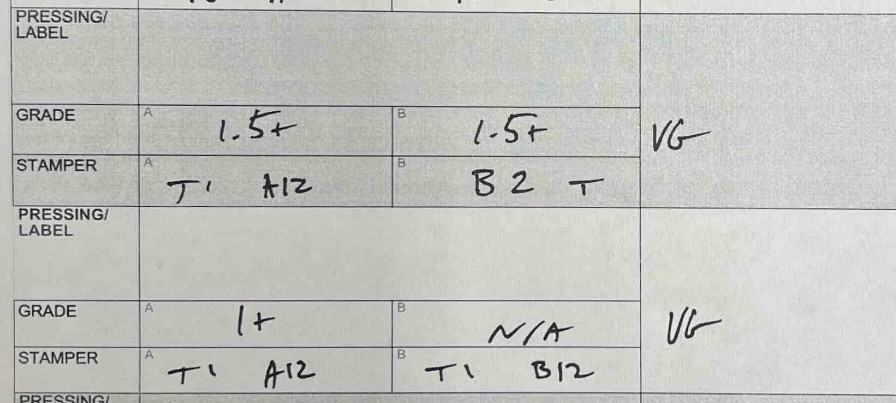
The 1+ grade found on side one of both discs means the sound for those two sides may be passable, but the NFG sound on side two of record one means you have at best only half an album with decent sound, and what good is that?

As you can see from our notes, the sound is way too hot and messy and thin.

Note that side two of the second record wasn’t played at all. Why waste more time on a record that clearly did not come off the press properly, whether from bad mastering or bad vinyl? Or bad something else, who can say?

We do not sell records with 1+ grades. You should have no trouble finding those on your own. The world is full of them.

Poor Rudy

Rudy Van Gelder comes in for a lot of criticism from the audiophile community, especially from audiophiles who tend to prefer the remastered Heavy Vinyl pressings made from his recordings.

Unsurprisingly, much of the criticism comes from some of the very same engineers responsible for the remastering those records.

Those who produce reissues of his recordings are notable critics as well.

(more…)

It’s Already So Good, How Could It Get Any Better?

Hot Stamper Pressings of the Music of Berlioz Available Now

You may have noticed that most of the time when we give out the stampers for the top copies of an album, we do not identify the title of the record that has those Shootout Winning stampers.

As you can imagine, our huge investments in research and development make up a big part of our costs, costs that accrue over the course of years, decades even, and that must eventually be passed on to our customers.

But this title is an exception, because we are telling you straight out that the 1K pressings of CS 6101, Music of Berlioz, are the way to go.

It turns out that both the early Decca pressings (SXL 2134) and the London Bluebacks were cut by Tony Hawkins.

It’s unfortunate that this record did not sell well when it came out in 1959, which explains why we could find no evidence of copies with any stampers other than 1K.

Not that the work of any other mastering engineers was in any way needed. Mr. Hawkins did a wonderful job on the copies we played than managed to reproduce the glorious, Golden Age All Tube analog sound of the master tape, which may sound  tautological as all get out but I assure you is not.

No, sadly for us, that glorious sound could be found on one and only one pressing, the one we graded 3+/3+.

No other pressing earned a top grade on either side. Whatever caused the amazing pressings to come out differently from the very good ones happened in the plating and pressing stages of manufacturing, an area that did not involve the work of any of the Decca mastering engineers.

(more…)

What Can You Learn from a Mercury Shootout Like This One?

Hot Stamper Pressings of Mercury Classical Recordings Available Now

The short answer is that you can’t learn much from this shootout, because we’re not telling you which title the stampers you see below belong to.

Be that as it may, in the case of this mystery title the conventional wisdom turns out to be correct — the earlier numbered pressings did better than the later numbered pressings, and the early labels did better than the later labels.

That happens a lot, and we are happy to admit that it does. Why? Because the experimental evidence — the datasay that is what happened.

As usual for posts in which the stamper sheet from a shootout is reproduced in its entirety, the stamper numbers shown below will belong to a different album than the one you see pictured.

These can be found under the heading of Mystery Stampers. Most of these posts will illustrate something to be learned from a Hot Stamper shootout, but because the information reveals the shootout winning stampers, the actual title of the record is rarely revealed.

Much more useful stamper information can be found using this link, which includes plenty of stamper numbers for specific titles that are best avoided by audiophiles looking for top quality sound. In addition, we post the winning and losing stampers for some titles that are an unreliable guide to good sound. Unreliable stampers are also quite common.

The right stampers are only one of the many reasons some copies win our shootouts and others don’t, but in the case of this rare Mercury, a record that we only had four copies of, the RFR-2/2 stampers were clearly the best, with no other set of stampers coming close. The best of the others earned grades no better than 2+/2+.

One lesson that was clear was that the best stampers were, to quote our reviewer, “a step up!”

(more…)