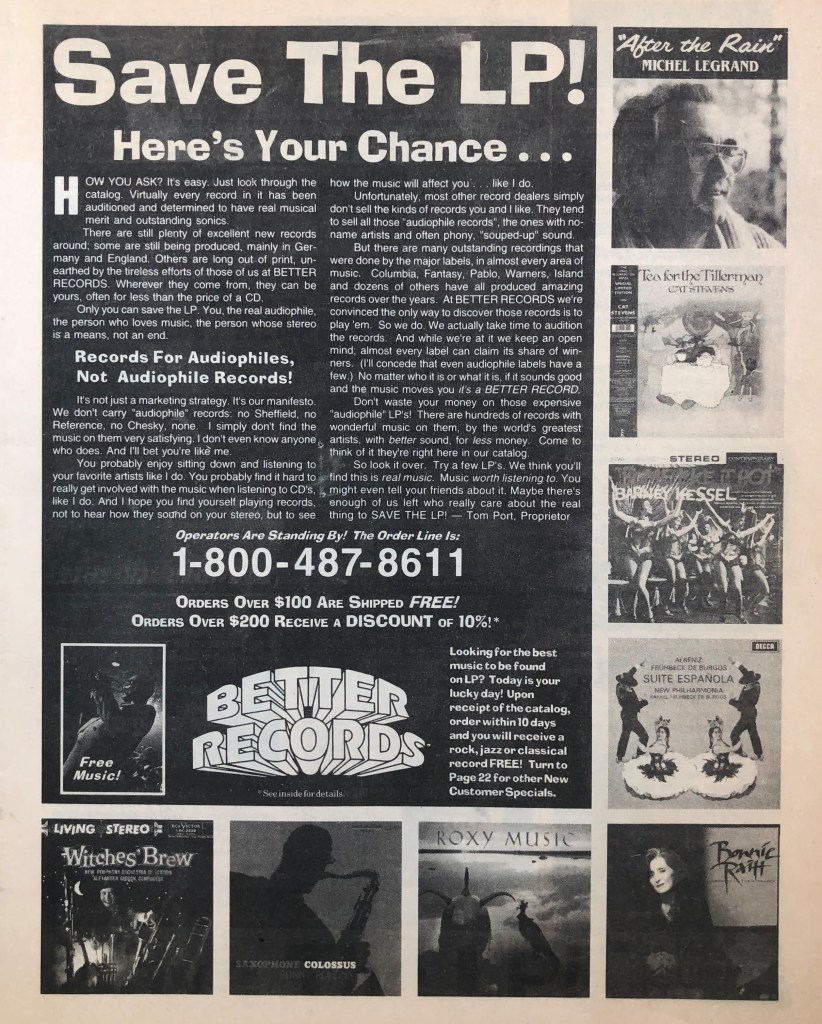
harsh-sound

Energy Is Key to Dem Ol’ Kozmic Blues

More of the Music of Janis Joplin

ENERGY is the key element missing from the average copy of I Got Dem Ol’ Kozmic Blues Again Mama!, but not on this bad boy (or girl if you prefer). 

Drop the needle on the song Try and just listen to how crisp, punchy, and BIG the drums sound.

On many copies — too many copies — the vocals are pinched and edgy. Here they’re breathy and full — a much better way for Janis to sound. There’s some grit to the vocals at times and the brass as well, but the life force on these sides is so strong that we much preferred it to the smoother, duller, deader copies we heard that didn’t have that issue.

On copy after copy we heard pinched squawky horns and harsh vocals, not a good sound for this album.

Janis’ voice needs lots of space up top to get good and loud, and the best sides give her all the space she needs.

This record, along with the others linked below, is good for testing the following qualities:

(more…)

Seventies EMI Classical LPs and Vintage Tube Playback

More of the Music of Sergei Prokofiev

What to listen for on this album?

That’s easy: The all-too-common 70s EMI harshness and shrillness.

We could never understand why audiophiles revered EMI the way they did back in the 70s. Harry Pearson loved many of their recordings, but I sure didn’t. 

The longer I stay in his hobby, the more clear it is to me that many of the records on the TAS list are better suited to the old school audio systems of the 60s and 70s rather than the modern systems we have today.

These kinds of records used to sound good on those older systems, and I should know, I had an old school stereo even into the 90s. Some of the records that sounded good to me back in the day don’t sound too good to me anymore.

For a more complete list of those kinds of records, not just the ones on the TAS List, click here. Note that some I liked, and some I did not back in the day.

I chalk it up — as I do most of the mistaken judgments audiophiles make about the sound of the records they play, my own judgments included — to five basic problem areas that create havoc when attempting to reproduce recorded music in the home:

  1. Equipment shortcomings,
  2. Untweaked setups,
  3. Bad electricity,
  4. Badly treated or untreated rooms, and
  5. Improper record cleaning

(more…)

Classic Records and Audio Progress

Hot Stamper Pressings Featuring the Violin Available Now

An audiophile hall of shame pressing and another Classic Records Classical LP reviewed and found wanting.

Classic Records ruined this album, as anyone who has played some of their classical reissues should have expected. Their version is dramatically more aggressive, shrill and harsh than the Shaded Dogs we’ve played, with almost none of the sweetness, richness and ambience that the best RCA pressings have in such abundance.

In fact their pressing is just plain awful, like most of the classical recordings they remastered, and should be avoided at any price.

Apparently, most audiophiles (including audiophile record reviewers) have never heard a top quality classical recording reproduced properly. If they had, Classic Records would have gone out of business immediately after producing their first three Living Stereo titles, all of which were dreadful and labeled as such by us way back in 1994. I’m not sure why the rest of the audiophile community was so easily fooled, but I can say that we weren’t, at least when it came to their classical releases.

(We admit to having made plenty of mistaken judgments about their jazz and rock, and we have the We Was Wrong entries to prove it.)

(more…)

How Do the Butterfly and Small Red E Pressings Sound on Strange Days?

Hot Stamper Pressings of the Music of The Doors Available Now

The Butterfly and Small Red E labels are so contemptibly thin and harsh they are not worth the vinyl they were pressed on.

You would be much better off with the DCC Gold CD than any of the reissue vinyl we’ve played.

The fact of the matter is that good digital beats bad analog any day.


This a Must Own Record, a 1967 recording with unbelievable RAW POWER. Most audiophiles very likely have no idea how well recorded this album is, simply because most pressings don’t do a very good job of translating the energy and life of the master tape onto the vinyl of the day.

The second Doors album is without a doubt one of the punchiest, liveliest, most POWERFUL recordings in the entire Doors catalog, right up there with their debut.

I’m guessing this statement does not comport with your own experience, and there’s a good reason for that: not many copies of the album provide evidence of any of the above qualities. Most pressings are opaque, flat, thin, veiled, compressed and lifeless. They sound exactly the way so many old rock records sound: like any old rock record.

Botnick Knocks It Out of the Park

But this album is engineered by Bruce Botnick. The right pressings give you the kind of low-end punch and midrange presence you hear on Love’s first album (when you play the right gold label originals). Botnick engineered them both, and what’s even more amazing is that The Doors second is in many ways an even better recording than Love’s!

Very tubey from start to finish, the energy captured on these Hot Stampers has to be heard to be believed. Not to mention the fact that the live-in-the-studio musicians are swimming in natural ambience, with instruments leaking from one mic to another, and most of them bouncing back and forth off the studio walls to boot.

But the thing that caught us most by surprise is how much LIFE there is in the performances on the better Hot Stamper copies. Morrison pulled out all the stops on songs like Love Me Two Times and the last track on the album, When the Music’s Over. Unless you have a very special pressing there is almost no chance you will ever hear him with this kind of raw power.

Top 100? If we could find more than a sporadic few clean, good sounding copies each year it would surely make the list, joining the other two of the band’s first four albums on there now.
Ray Charles & Betty Carter – DCC Clear Vinyl Pressing

More Soul, Blues and R&B Albums with Hot Stampers

This Dunhill Compact Classics LP pressed on CLEAR VINYL is one of DCCs earliest forays into analog production from way back in 1988.

Unfortunately it sounds like a bad CD.

Screechy, bright, shrill, thin and harsh, it’s hard to imagine worse sound for this music.

No warmth.

No sweetness.

No richness.

No Tubey Magic. In other words,

No trace of the original’s analog sound.

I have to wonder how records this awful get released.

You can be sure that Hoffman’s Gold CD murders it in every way.

(more…)

Breakaway Is Generally Grainy, Harsh and Shrill

Reviews and Commentaries for TAS Super Disc Recordings

The problem with this album is that, for whatever reason, practically every copy you find is, to some degree, grainy, harsh and shrill in the loudest passages of the music. When the music gets loud, the sound often becomes strained and unpleasant. A copy like this one that doesn’t do that is the exception, not the rule.

Listen to the song ‘Disney Girls’ on side one. If you own the average pressing – odds are your copy is in fact quite average unless you went through a pile of copies and played them in order to find a good one – parts of that song will sound painfully hard and shrill, assuming your playing the record at the kinds of levels we do.

Which is the main reason I’ve never understand what qualified this record to be on the TAS Super Disc list. Now, having heard the best of the best copies sounding so big, rich and tubey, I can certainly say I hear what impressed HP (he likes that sound, as do we). It may indeed be a very well recorded album, but we feel it falls a bit short for our own Rock and Pop Top 100 List. (To be fair, as you know we play a lot of amazing albums around here.)

The Best Songs

The late Harry Pearson knew little about popular music and may have been more impressed by this album than those of us who play pop and rock albums by the boatload.

Most of the pop albums on his Super Disc TAS list are a joke. Only the people who listen almost exclusively to classical or jazz seem to take them seriously, in my experience anyway. (Check out the 12″ pop singles for a good laugh.)

(more…)

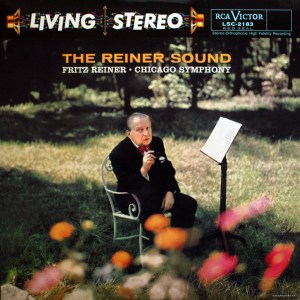
The Reiner Sound – Classic Records Reviewed

Hot Stamper Pressings of Living Stereo Recordings Available Now

There is simply an amazing amount of TOP END on the original pressing we played a while back (reviewed below). Rarely do I hear Golden Age recordings with this kind of ENERGY and extension up top.

This is of course one of the reasons the Classic reissue is such a disaster. With all that top end energy, Bernie’s gritty cutting system and penchant for boosted upper midrange frequencies positively guarantees that the Classic Reiner Sound will be all but unplayable on a good system.  

Boosting the bass and highs and adding transistory harshness is the last thing in the world that The Reiner Sound needs.

You may have read on the site that, unlike many soi-disant audiophiles who buy into HP’s classical choices, I am not the biggest Reiner fan. On these works, though, I would have to say the performances are Top Drawer, some of the best I have ever heard.

The amount of energy he manages to coax from the Chicago Symphony Orchestra is nothing less than BREATHTAKING.

(more…)

Another Bright and Harsh Led Zeppelin Title from Classic Records

Hot Stamper Pressings of the Music of Led Zeppelin Available Now

Ridiculously bright and harsh, sounding nothing like the good pressings we sell.

We are proud to say this was one of the Classic Records Led Zeppelin releases that we never carried back when we were selling Heavy Vinyl (along with II and Houses, both of which stink to high heaven).

You will find very few critics of the Classic Zep LPs outside of those who work for Better Records, and even we used to recommend three of the Zep titles on Classic: Led Zeppelin I, IV and Presence.

Wrong on all counts. Live and learn, right?

Since then, we’ve made it a point to create debunking commentaries for some of the Classic Zeps, a public service of Better Records. We don’t actually like any of them now, although the first album is by far the best of the bunch.

Is this pressing of III the worst version of the album ever made?

There may be too much competition to make that claim – in our experience, most pressings of Zep records tend to be poorly mastered, barely hinting at how well recorded their albums really are — but it is certainly a record no audiophile should want anything to do with.

Here are a few commentaries you may care to read about Bernie Grundman‘s work as a mastering engineer, good and bad.

The Concert Sinatra – What to Listen For

sinatconce_1011_1310577590

[Originally posted 2/2015]

There may be a touch of smear (you can most easily hear it in the strings) but the sound is so RICH and Tubey Magical that you will barely be aware of it. Your attention should be focused on the superb feel the man has for this music.

One thing to pay special attention to, especially if you have other copies of the album, is that Sinatra’s voice on both sides of this pressing always sounds natural even at its loudest. There is no strain or hardness.

That, among many other things, is what separates the best copies from the also-rans (and, of course, all the reissues, which tend to have gritty, harsh vocals which quickly get unbearably edgy in the louder parts).

For audiophiles, the amount of effort that went into the recording, effort that actually paid off, is what will impress the most about The Concert Sinatra. The 73 musicians you see stretched out across the soundstage at Samuel Goldwyn Studios behind Sinatra will give you some idea of the size and scope of the sound. With 24 mics feeding 8 tracks of 35MM recording film, this was the sonic equivalent of Gone With the Wind. No expense or effort was spared.

Fortunately for those of us who are still playing records forty-odd years on, this special project took place before the advent of the transistor, which means that all the Tubey Magic of the singer and his all-encompassing orchestra was captured on the “tape”.

Ah, but how much of that sound made it to the record itself? That’s always the rub with records isn’t it?

In this case, plenty.