 Basic Concepts Every Audiophile Needs to Understand
A friend writes:
We have different views of digital. I think I’m more with Neil Young. When you have a choice, you go analog and find the best sounding record. But there is a world out there that uses digital. We’re not going to stop that. So the fact that digital is markedly better than it was years ago is significant. Now I think your view is… why would I want to bother with digital when I know the answer: The best sounding record I can find.
You don’t even use your car stereo to listen to music, right?
I used to really rock out in my 2002 3 series BMW outfitted with Harmon Kardon components. That was a killer system, the best car stereo I ever owned. (The Burmester in our new German SUV does some things well, but since it does not offer CD playback, and I’ve never hooked my phone up to it (or anything else for that matter), I’m sure I have never heard it at its best.)
In some ways my BMW system brought to light faults I did not know existed in my old tube home stereo, and that’s when I knew I needed to make a change. Talk about a wake up call! (More on that subject coming down the road I hope.)
I would take issue with modern digital being better. I am not sure if there is much evidence to support that. The best digital sound I have heard, and guys like my friend Robert Pincus swear by, are the CDs created in the 90s, before they learned how to “make them better.”
Back in the day we played them on the CD players we had picked up at reasonable prices (why spend the money?) that seemed to offer a more natural, analog sound. Out of the two dozen or so CD players I’ve tried over the years, I might have found three or four that offered sound that was strikingly similar to analog.
(None of the ones I heard with lots of fancy clocks and separate components ever did anything for me, but of course I would never say that that approach to digital can’t or doesn’t work. I just never heard one that did. If you have one, more power to you.)
I’ve thrilled to “digital that doesn’t sound digital” for thousands upon thousands of hours. Done a lot of work tweaking and tuning the stereo using CDs. Like the records we’ve listed that helped us dramatically improve our playback, there are plenty of CDs that fit that bill too.
Properly-mastered CDs should not call attention to the fact that they are digital.
They should be able to do almost everything right that the best records do right, just not as well. They are not the equal of the better vintage vinyl pressings, but they are a helluva lot better than much of the modern mastered vinyl that we’ve played. (Here’s a small sample, pulled from a much larger group, that should be deeply embarrassing to anyone who takes Heavy Vinyl seriously.)
I can sum up our take on the “controversy that refuses to die” — digital versus analog — in seven words, and did exactly that in a commentary from fifteen years ago: good digital beats bad analog any day.
The new digital? I can’t comment, but my natural skepticism is not to believe that it actually is better unless there is evidence to support that proposition. It seems to me that the people discussing the subject appear to be the same self-described audiophiles who extoll the virtues of some of the most awful sounding modern vinyl records, so why should they be trusted to be good judges of sound of any kind, analog or digital?
The audiophile community is overflowing with incompetent reviewers and outright charlatans. Who are the audiophiles who can be trusted to know the difference between good and bad sound besides Robert Brook? I would like to meet one who is not already one my customers.
Further Reading
- Compact disc advice for record lovers
- Record collecting for audiophiles from A to Z
- Put us to the test! We can tell a good record from a a bad one, digital or no digital
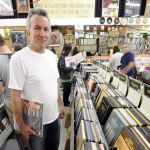
That guy you see pictured up in the top left corner has spent much of the last forty years wandering around used record stores, typically in a white T-shirt and jeans, looking for better records (ahem).
Before that he wandered around stores selling new records because he didn’t know how good old records could sound.
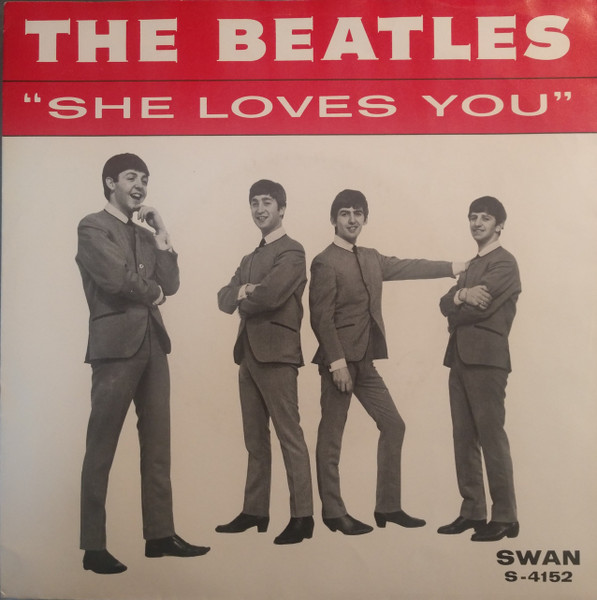
Compiled here are some of the things he’s learned since he started collecting approximately sixty years ago at the age of ten. First purchase: She Loves You on Swan 45. It’s still in the collection, although it cracked long ago and is no longer playable.