Advice-WTLF, Jazz

Jazz records with advice on what to listen for, in order to help you separate the best pressings from the also-rans and improve the quality of your collection.

At Ease With Coleman Hawkins from 1960

More recordings by Rudy Van Gelder

This 1960 Saxophone Ballad session has to be seen as yet another recording triumph for Rudy Van Gelder. The best pressings of these OJC reissues from 1989 sound like the vintage jazz albums they emulate, and sometimes they even beat the originals at their own Tubey Magical game. They can be every bit as rich, sweet and spacious as their earlier-pressed brethren in our experience.

In the case of At Ease with Coleman Hawkins, we simply have never seen an original copy clean enough to buy, so we have no reference for what an original would sound like.

But, having critically auditioned literally hundreds and hundreds of vintage jazz records over the course of the last few years, we’re pretty confidant we know what they are supposed to sound like.

And they sound just like the best copies of this very pressing.

What to Listen For

The best copies are rich and tubey; many pressings were thin and modern sounding, and for that they would lose a lot of points. We want this record to sound like something RVG recorded in 1960, and the best copies give you that sound, without the surface noise and groove damage the originals doubtless have to offer.

Some copies have much more space; some are more present, putting the musicians right in the room with you; some are more transparent, resolving the musical information much better than others, letting you “see” everyone in the studio clearly. Some have more rhythmic drive than others. On some the musicians seem more involved and energetic than they do on the average pressing.

The copies that do all these things better than other copies are the ones that win our shootouts.

I Once Fell Into a Common Audiophile Trap – Legrand Jazz Helped Me Find My Way Out

More Vintage Hot Stamper Pressings on Columbia Available Now

This 2005 commentary discusses how easy it is to be fooled by tweaks that seem to offer more transparency and detail at the expense of weight and heft. Detail is everything to some audiophiles, but detail can be a trap that’s easy to fall into if we do not guard against it.

The brass on this wonderful Six Eye Mono pressing of the album set me straight. [Since that time I have not been able to find mono pressings that sounded as good as I remember this one sounding. That sh*t happens.]

I was playing this record today (5/24/05) after having made some changes in my stereo over the weekend, and I noticed some things didn’t sound quite right. Knowing that this is an exceptionally good sounding record, albeit a very challenging one, I started playing around with the stereo, trying to recapture the sound as I remembered it from the last copy that had come in a few months back.

As I tweaked and untweaked the system around this record, I could hear immediately what was better and what was worse, what was more musical and what was more Hi-Fi. The track I was playing was Night In Tunisia, which has practically every brass instrument known to man, in every combination one can imagine.

Since this is a Mono pressing, I didn’t have to worry about issues like soundstaging, which can be misleading, or perhaps distracting is a better way to describe the problem.

I was concerned with tonality and the overall presentation of the various elements in the recording.

To make a long story short, I ended up undoing all the things that I had done to the system over the weekend! In other words, what improvements I thought I had made turned out not to be improvements at all. And this is the album that showed me the error of my ways.

Brass instruments are some of the most difficult to reproduce, especially brass choirs.

(more…)

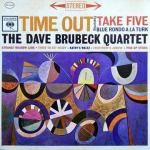
The 45 RPM Classic Records Repress Is Another in a Long String of Failures

More of the Music of Dave Brubeck

Sonic Grade: F

An Audiophile Hall of Shame pressing and another Classic Records Jazz LP.

Not long ago we found a single disc from the 45 RPM four disc set that Classic Records released in 2002 and decided to give it a listen as part of our shootout for the album.

My notes can be seen below, but for those who have trouble reading my handwriting, here they are:

  • Big but hard
  • Zero (0) warmth
  • A bit thin and definitely boring
  • Unnatural
  • No fun
  • No F***ing Good (NFG)

Does that sound like a record you would enjoy playing? I sure didn’t.

But this is the kind of sound that Bernie Grundman managed to find on Classic Record after Classic Record starting in the mid-90s when he began cutting for them.

We’ve been complaining about the sound of these records for more than twenty years but a great many audiophiles and the reviewers who write for them told us we wrong.  If you have a copy of this album on Classic, at 33 or 45, play it and see if you don’t hear the problems we ascribe to it.

To see what we had to say about the 33 RPM version on Classic many years ago, click here.

Maybe we got a bad 45 and the others are better. That has not been our experience.

In these four words we can describe the sound of the average Classic Records pressing.

Not all of their records are as bad sounding as Time Out. We favorably review some of the better ones here.

(more…)

Listening for Tubey Magic, Track by Track on Straight from the Heart

More of the Music of John Klemmer

Presenting another entry in our extensive Listening in Depth series with advice on what to listen for as you critically evaluate your copy of Straight from the Heart. Here are more albums currently on our site with similar Track by Track breakdowns.

The best copies give you dynamics and immediacy like you have rarely heard outside of the live event.

Hell, this record IS live; it’s live in the studio. It’s a direct to disc recording, what else could it be?

There is simply nothing getting in the way of the music. If you have the system for it, you can recreate the live sound of this session in a way that few other recordings allow you to do.

This copy had one quality not heard on most of the others: Tubey Magic. The sound is rich and full-bodied, practically free of grit and grain – this is the kind of sound one hears occasionally on the best tube equipment and practically nowhere else. Of course this is an all-transistor affair, but tubey sound is what ended up on the record, so go figure.

Many copies were slightly lean, making the sax a bit aggressive in places. The killer copies fill out the horn sound, giving it the needed weight and body that the real instrument would have, without adding a euphonically artificial richness that the real instrument wouldn’t.

(more…)

Jamento – Listening for Speed and Smear

What to Listen For – Smear

What to Listen For – Speed

Clear piano notes, first and foremost.

Any smear or loss of speed (a problem with hi-fi equipment since the beginning of time) detracts from the fun. 

Next, the tonality of the best copies is rich and solid. Accept nothing less.

And, finally, the proper reproduction of the percussion instruments is critically important to the energy and drive of the music. The better you hear them — without losing the weight and richness of the piano — the more you will enjoy your copy of the record.

No two copies will reproduce all these elements equally well. On high quality equipment with the volume turned up good and loud the winners are easily separated from the losers. (more…)

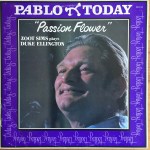
Passion Flower – Our Shootout Winner from 2014

Hot Stamper Pressings of Pablo Jazz Albums Available Now

One of the all time great Pablo sleepers. Why is no one else writing about records like these? The music is wonderful and the sound is top drawer on the best copies. If you’ve tried and failed with other Pablo Zoot Sims records, fear not: this title is one of his best, musically and sonically. 

If you want to hear the Duke’s music swing in top sound, get this album.

This is a big group, probably at least a dozen pieces at any given time, and all that energy is captured on the best copies with tremendous engineering skill. The lively arrangements are by none other than Benny Carter, a man who knows his jazz. His career started in the ’20s(!) and lasted into this century if you can believe it. I consider myself fortunate to have seen him play locally when he was more than 90 years old. He stlll had it, kind of. (more…)

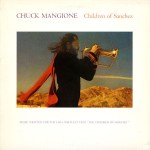
Children of Sanchez and RL’s Meaty Low End

More of the Music of Chuck Mangione

More Demo Discs for Bass

What’s unusual about this album — shocking really — is how MEATY the bottom end is. I don’t know of a pop jazz recording with beefier, more articulate or weightier bass. The only record I can think of in this genre of jazz with comparable bass is Grover Washington’s Winelight. We played some copies of that album recently and were just knocked out with how well recorded the bass is, just the way we were knocked out with Children of Sanchez from a month or two back. Both of them really set the standard for recording this kind of music. Needless to say we loved the sound. 

Recorded at Kendun and mastered by Robert Ludwig, the audiophile sound should be no surprise.

The horn sound is also key, not only for the flugelhorn that Chuck plays but for the trombones and French horns that fill out the arrangements. When the various horns are solid and smooth (what’s smoother than a French horn?) yet even the more subtle harmonic signatures of each instrument are clear, you have yourself a Hot Stamper.

The copies that are present, clear, open, transparent and energetic, with a solid rhythmic line driving the music, are a hundred times more enjoyable than the anemic pressings that can be found sitting in most collections practically unplayed (gee, I wonder why?).

This idea that most pressings do a poor job of communicating the music still has not seeped into the consciousness of many audiophiles, but we’re working on changing that, one Hot Stamper at a time. (more…)

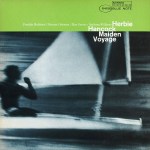
Connecting the Players on Maiden Voyage

More of the Music of Herbie Hancock

More Jazz Recordings Featuring the Piano

Freddie Hubbard on this album is nothing short of astonishing. I remember playing around with the stereo one day, listening for different effects as I made minor changes to the tracking weight, the VTA, adjustments to the Hallographs and the like, and at one point I noticed that the ensemble seemed to be more coherently connected, with each of the players more properly balanced with the others. 

It was a striking effect and it made me realize that musical values can often be overlooked while chasing after audiophile effects of one kind or another.

Hearing the ensemble come together made me appreciate this album even more.

Tony Williams on the drums here deserves a special nod. His cymbal work on the first track is original and spontaneous in the best tradition of jazz improvisation. (more…)

Getting the Balance Right on It’s Monk’s Time

There are three main elements that comprise the sound of It’s Monk’s Time: piano, sax and drums. You need all three to be balanced and correct. The mix is perfection on the best copies, with the piano, sax and drums clearly audible and in musically correct proportion to each other. 

As we played the sides we noted how each of them fared.

PIANO. Clear, present and lively. Very high-rez.

SAX. Smooth, rich and tubey, with no RVG squawk to be found.

DRUMS (and BASS). Big drums in a big room. Listen to how solid that kick is. The standup bass is tight and note-like.

Surprisingly side two sounded just like side one. We could find no fault with it. It doesn’t happen very often but it happened on this copy. (more…)