Digital – CDs, Digital Recordings, etc.

Unlike the First Three Albums, on Security You Can Forget the Brits

Hot Stamper Pressings of the Music of Peter Gabriel Available Now

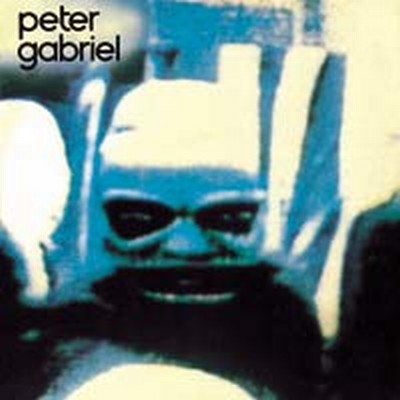
The basics notes here were written in 2009, about the time we finished our album by album auditions of his early catalog.

On this title, forget the Brits. Every British pressing we played was badly smeared and veiled.

This took us somewhat by surprise because we happen to like the British PG pressings, but remember, So on British vinyl is awful too, so it’s clear (to us anyway) that the later PG records are bad on British vinyl and the early ones are better.

We are limiting our comments here to albums up through So. Anything after that is more or less terra incognita for us simply because we don’t care for the music he was making after 1986.

Plays Live, from 1983, takes the dark, overly-rich, overly-thick and way-too-smooth sonics of Security and lathers it over the material he had previouly recorded up through then. Some of it works well enough I suppose, but in my experience it usually isn’t long before the monotony of this approach grows tiresome.

What We Listened For

The best copies have sonic qualities that are not the least bit difficult to recognize:

  • Presence, putting PG front and center;
  • Dynamics, both micro and macro;
  • Energy, allowing the rhythmic elements to bring out the life in the music;
  • Transparency, so that we hear all the way to the back of the studio (where some of the many musicians that play in the densest parts no doubt had to stand); and
  • Ambience, the air that surrounds all the players and what instruments they played.

And of course we played the album VERY LOUD, as loud as we could. It’s the only way to get the massive druming to sound right.

The Music

This is one of the most important records in the Peter Gabriel canon, groundbreaking and influential on so many levels. The entire album is a wonderful journey; anyone with a pop-prog bend will enjoy the ride. Just turn the volume up good and loud, turn off your mind, relax and float along with PG and the band. You’re in good hands.

I’ve listened to this one more than other PG albums with the only exception being his second release, the one produced by Robert Fripp. That one is still clearly my favorite of the lot. I play it to this day and have never tired of it since I bought it way back in 1978.

Naturally, I would have originally picked up the domestic pressing, which is clearly made from a dub tape, but in 1978 what did I know about master tapes and imported pressings?

I was still a big Mobile Fidelity fan at that time, which is a simple way of saying that it’s clear that I had a very long way to go in this hobby and a great deal left to learn!

Nothing Peter Gabriel released after So did much for me so I resigned myself to the first five albums. Five excellent albums from one artist is plenty in my book.

If you like the albums after So, to each his own and more power to you. It’s my opinion that their appeal is limited, such that doing a shootout for them is not likely to be in the cards.

(more…)

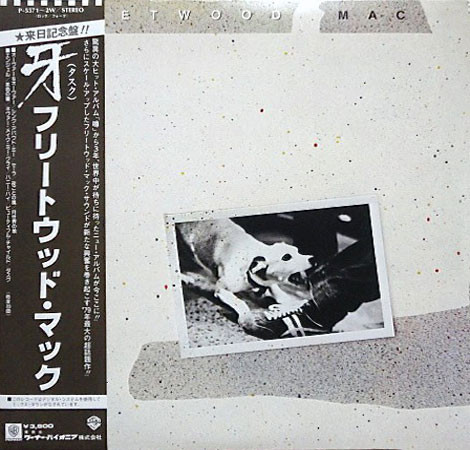
Fleetwood Mac – Tusk

More of the Music of Fleetwood Mac

  • A Tusk like you’ve never heard, with excellent Double Plus (A++) grades or BETTER on all FOUR sides
  • Side two was sonically very close to our Shootout Winner – you will be shocked at how big and powerful the sound is
  • These vintage pressings have the MIDRANGE MAGIC that’s surely missing from whatever 180g reissue has been made from the 43 year old tapes (or, to be clear, a modern digital master copy of those tapes)
  • 5 stars: “McVie and Nicks don’t deviate from their established soft rock and folk-rock templates, and all their songs are first-rate… Because of its ambitions, Tusk failed to replicate the success of its two predecessors, yet it earned a dedicated cult audience of fans of twisted, melodic pop.”
  • If you’re a fan of late-70s pop, especially the kind with a harder edge, this is a Must Own from 1979 that belongs in your collection.
  • The complete list of titles from 1979 that we’ve reviewed to date can be found here.

This is one of the more controversial albums in the history of pop music — some people love it, others despise it, and some still don’t know what to make of it. You may not put it up there with Rumours, but when you hear these songs on a copy this good it’s easy to see why the All Music Guide gave Tusk five big stars!

Tusk suffered from high expectations and disappointed those looking for Rumours II. There is much on this album that compares to the best of Rumours but the weak material somewhat drags the album down as a whole. About three-quarters of Tusk is excellent. I made a 60-minute tape of that material and play it with great pleasure. I could tell you about lots of wonderful qualities the best tracks on the album have, but it would take too long. Sorry!

Sonically, the best sounding material ranks right up there with anything the band ever did, but there are more experimental moments such as What Makes You Think You’re The One that are never going to be tracks you demo your system with.

One high point (musically and sonically) is “Beautiful Child,” quite possibly the best song Stevie Nicks ever wrote. If you listen carefully and give yourself over totally to the sentiment of the song, and your eyes don’t well up, try opening up a vein and letting some ice water pour out. Then try it again. Repeat if necessary. If that doesn’t work just give up and go back to the Diana Krall CD you were playing.

(more…)

Brothers in Arms – Not Bad When It’s Properly Mastered and Pressed!

Many copies suffer from harsh, digital-sounding highs.

Pull out your old copy and listen to the beginning of side two and you should have no trouble hearing what we’re on about.

Compare that to the silkier, sweeter top end on even the lowest-graded Hot Stamper pressing you may have picked up from your friends at Better Records and it’s unlikely you’ll find yourself going back to whatever pressing you had.

The comparison, we hope, will be edifying.

Want to find your own top quality copy?

Consider taking our moderately helpful advice concerning the pressings that tend to win our shootouts.

In our experience, this record sounds best this way:

And that means that it’s Robert Ludwig’s initials you should be looking for in the dead wax. Accept no substitutes.

(more…)

Rob Wasserman – Duets

More Rob Wasserman

  • This rare and wonderful album from 1988 on the original MCA label boasts KILLER Shootout Winning Triple Plus (A+++) sound or close to it throughout
  • Here are just a few of the things we had to say about this incredible copy in our notes: “really full and present vox”…”good weight”…”the most space” (side one)…”detailed and textured and spacious”…”deep bass”
  • In-the-room vocal presence (Jennifer Warnes is stunning on Leonard Cohen’s “Ballad Of The Runaway Horse”) and tight, note-like bass are key to the best pressings
  • 4 1/2 stars: “Some amazing duets and a great lineup that includes Aaron Neville (v), Stephane Grappelli (violin), Dan Hicks (v, g), and so on. The jazz community missed this one.” [But the audiophile community loved it.]
  • Our old friend Bernie Grundman handled the mastering for Duets, back when he was still making good sounding records. Everything changed when he started working for Classic Records in the ’90s. Based on the scores we’ve played, the vast majority of his remastered pressings leave a lot to be desired. You can read more about them here.

(more…)

Tusk on Japanese Vinyl Without the Sub-Generation Japanese Mastering

Hot Stamper Pressings of the Music of Fleetwood Mac Available Now

This Capitol-mastered, Japanese-pressed LP has excellent sound on the first two sides and SUPERB sound on sides three and four. I doubt you’ve ever heard the title track rock like this.

We dug up a few Japanese copies of Tusk that were mastered at Capitol by Ken Perry. Because they were made from the real tapes, these don’t have the typical smeary, sub-generation sound associated with Japanese pressings. We found that the best Japanese copies could hold their own with the best domestics on sides one and two, and could win outright on sides three and four.

We almost never like records that, although pressed in Japan, were not recorded in Japan. This is one of the exceptions because the mastering was done by the real mastering engineer, Ken Perry, using the real tape, here in America.

There are also some excellent direct to disc albums that were recorded here in the states and subsequently pressed in Japan.

(more…)

Sticky Fingers – Worst Version Ever!

Hot Stamper Pressing of the Music of The Rolling Stones Available Now

Mastered by Robert Ludwig. (Scroll down to find links to more of Robert Ludwig’s work.)

Digitally remastered using UV22 Super CD encoding by Apogee Electronics, Santa Monica, California.

This RTI 180g copy (with the zipper cover) is one of a series of five titles Bob Ludwig cut in the 90s. According to the man, after cutting the record he chanced upon a consumer copy and was shocked to hear how bad it sounded.   

It sounded, according to him, nothing like the record he had cut. Somehow they had botched the pressings and ruined the sound. How this could happen I can’t imagine.

Bob says that’s what they did and we’ll take him at his word, out of respect for one of the all-time great mastering engineers, RL himself. He promptly sold off all his analog mastering equipment and got out of the game.

Can you blame him? According to him they put his name all over a record the sound of which they had ruined. Guess I would stop making records too if that were the case.

By the way, the sound was dismal on every title from that series we played except for Heart’s, which was okay, certainly better than the average pressing out there, but no Hot Stamper by any stretch of the imagination. 

(more…)

Listening in Depth to So

Hot Stamper Pressings of So Available Now

With a digital recording such as this, the margin for mastering error is very slim. Most copies just aren’t worth the vinyl they’re pressed on. They can sound harsh, gritty, grainy, edgy, and thin. We love this music and we know there are great copies out there, so we keep picking these up. More often than not, we’re left cold.

This is a digital recording, and most of the time it is BRIGHT, SPITTY and GRAINY like a typical digital recording, which plays right into our prejudices. After hearing a bad copy, what audiophile wouldn’t conclude that all copies will have these bad qualities? After all, it’s digital. It can’t be fixed simply by putting it on vinyl.

Ah, but that’s where the logic breaks down.

Proper mastering can ameliorate many if not most of a recording’s sins. When we say Hot Stampers, we are talking about high quality mastering doing exactly that.

Side One

Red Rain

Peter Gabriel’s soaring vocals here are a great test for transparency, especially during the last minute of the song when they really become more intimate, present, delicate and breathy.

Sledgehammer

Not unlike “Red Rain,” the flute intro here is a solid test for transparency and texture. But this moment passes quickly to make room for the huge horns that fire up the biggest hit on this album. The trumpets should have weight, dynamics, and texture. If they are smeary, blary or lifeless, you probably are listening to the typically compressed, low-resolution copy. (Side note: listen for the chatter before the singing begins – is someone talking on the phone? Last minute instructions from Peter? If you can figure out what they are saying we’ll give you this record for free!)

Don’t be alarmed at the veiled sound of the first two bars of vocals – it’s just the recording talking. When the verse comes in full swing, you’ll probably notice a little bit of spit, which is unavoidable here, especially on the super-sibilant “steam train” or “blue sky back”. However, the good copies make this problem non-offensive, and actually beneficial to the life of the music. The spit should not sound gritty or grainy; if it has a somewhat silky quality that’s a very good sign. But it has to be there if your copy is to have any life or presence in the midrange.

The backup singers that come in at the end of the first chorus should be subtle yet still present and clear. Also, pay attention to the reintroduction of the horns at the beginning of the second verse. The dynamic here is extremely important. The last note of their phrases should really swell up and make you appreciate what those guys are doing. (Maybe it’s Peter talking in the background, reminding the horn players not to forget to do that little dynamic trick.) (more…)

Sgt. Peppers on Heavy Vinyl – The Reviewers from 1982 Blow It Again

beatlessgtHot Stamper Pressings of the Music of The Beatles Available Now

You might agree with some reviewers that EMI’s engineers did a pretty good job with the new Sgt. Pepper.

In the March 2013 issue of Stereophile, Art Dudley weighed in, finding little to fault on this title but being less impressed with most of the others in the new box set.

His reference disc? The MoFi UHQR. Gadzooks!

Oh, and he also has some old mono pressings and a domestic Let It Be. Now there’s a man who knows his Beatles.

Fanatical? You’re damn right he’s fanatatical. And who can blame him? We’re talkin’ The Beatles for Chrissake!

When I read the reviews by writers such as these I often get the sense that I must’ve fallen through some sort of Audio Time Warp and landed back in 1982.

How is it that our so-called experts appear to have so little understanding of how records are made, how variable the pressings can be, and, more importantly, how critical it is to maintain rigorously controlled conditions when they carry out the comparisons among pressings that they discuss in their reviews.

Here’s the gist of the problem:

Critically comparing LPs is difficult and time-consuming.  It requires highly developed listening skills. Looking back, these are skills that I know I could not possibly have had because I didn’t have a clue as to how to go about acquiring them.

I see no evidence that the audiophile reviewers of today are better at it than I was in 1982, and I was terrible.

Moving on, let’s look at what one well-known reviewer has to say, keeping in mind that he’s using his original British pressing for comparison. I quote at length — without prejudice so to speak — so there can be no misunderstanding. (Emphasis added.)

(more…)

Peter Gabriel – So

More of the Music of Peter Gabriel

  • Here is an incredible copy of Gabriel’s breakthrough album from 1986 with Nearly Triple Plus (A++ to A+++) sound from start to finish – just shy of our Shootout Winner
  • Both of these sides are lively, solid and rich – drop the needle on any track and you’ll see what we mean
  • Great songs including “Don’t Give Up,” “Sledgehammer,” “Big Time,” “Mercy Street,” “Red Rain,” “In Your Eyes,” and more
  • Problems in the vinyl are sometimes the nature of the beast with these Classic Rock records – there simply is no way around them if the superior sound of vintage analog is important to you
  • 4 stars: “…[Gabriel’s] most accessible and…catchiest, happiest record he ever cut. “Sledgehammer” propelled the record toward blockbuster status, and [it] had enough songs with single potential to keep it there.”

Here is a copy of So with the Big and Bold Peter Gabriel sound we love. If you want your Art Rock to actually rock (as well as be arty), this is the copy for you.

It’s not a perfect recording by any means, but when it sounds this good you can easily forget its shortcomings and marvel at how consistently good the material and the production are.

No Mean Feat

It’s exceptionally hard to find good-sounding copies of this album, as you can read about below. With a digital recording such as this, the margin for mastering error is very slim. Most copies just aren’t worth the vinyl they’re pressed on. They can sound harsh, gritty, grainy, edgy, and thin.

We did a shootout years ago that taught us a few things. The most surprising finding? The Brit copy I had in my own collection sucked — how about that! As a rule, I like the Brit pressings best for PG, but that rule got broken after playing all these domestic copies, some of which really sound good, clearly better than the average Brit.

Recording Issues

This is a digital recording, and most of the time it is bright, spitty, and grainy like a typical digital recording, which plays right into our prejudices. After hearing a bad copy, what audiophile wouldn’t conclude that all copies will have these bad qualities? After all, it’s digital. It can’t be fixed simply by putting it on vinyl.

Ah, but that’s where logic breaks down. Proper mastering can ameliorate many if not most of a recording’s shortcomings. When we say Hot Stampers, we are talking about high-quality mastering doing exactly that.

Mass-Produced Plastic Problems

But of course the mastering is only one part of the puzzle. I have multiple copies with the same stampers. Some of them are terrible, some of them are wonderful — you just can’t rely on the numbers to guide you with a piece of mass-produced plastic like this. You have no choice but to play the record to know what it sounds like. (And that’s a good thing. Keeps you honest. There’s no “cheating” when you have nothing to go by but the sound.)

This album sold in the millions. They stamped it out until the metalwork was as smooth as a baby’s bottom. Those badly pressed copies are not going to have any high-frequency extension, which leaves them with all the harsh upper mids sticking out of the mix to peel the paint in your living room and make your ears bleed.

(more…)

Who Knew that Dylan Could Sound This Good in 1983?

Hot Stamper Pressings of the Music of Bob Dylan Available Now

The short answer is we did, and it’s doubtful we have much company in the audiophile “community.”

Why? Because we actually sit down and play the records.

We don’t make judgments about their sound based on the fact that the album came out in 1983, long after the good old days of analog.

To put the cherry on the top of the sundae, this album is recorded digitally and it still sounds great. Or at least the best copies of it do. Speaking of fruit, how about them apples?

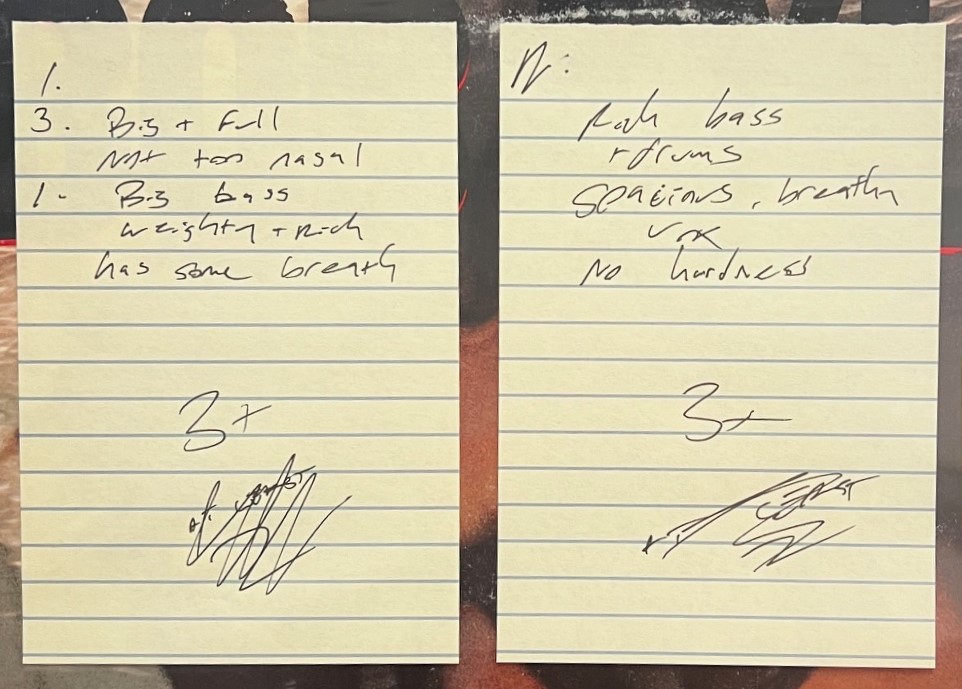
Our recent Shootout Winner was described this way:

This vintage copy of Infidels could not be beat. Big and rich, with correct tonality from top to bottom, strong bass and plenty of space, this copy sounded just right to us.

Our post-it notes tell the album’s story. (By the way, if you like reading our post-it notes, we’re putting more and more of them on the blog these days. We talk about the importance of taking notes  as part of the shootout advice we share. This post will help you with the basics.)

(more…)