kendun

We Don’t Offer Domestic Pressings of Pour Down Like Silver for One Very Simple Reason

Hot Stamper Pressings of the Music of Richard Thompson Available Now

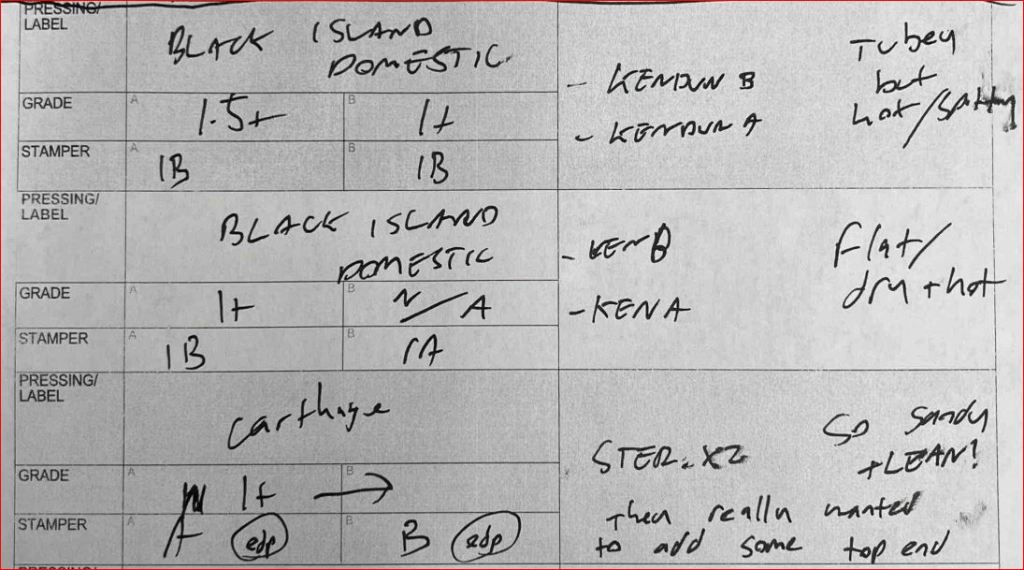
In spite of the fact that the domestic pressings of this Richard and Linda Thompson classic from 1974 were mastered by the likes of Kendun and Sterling — two of the greatest mastering houses of all time, — they have never impressed us with their sound quality.

The biggest problems with this record would be obvious to even the casual listener: gritty, spitty vocals; lack of richness; bright tonality; lack of bass; no real space or transparency, etc.

The domestic Island pressings did not do nearly as well in our shootout as the best Island imports, no surprise there as the early UK records were mastered by one of our favorite engineers.

Avoid the Carthage pressings mastered by Sterling. They came in last in our shootout.

The domestic breakdown follows:

Black Island Domestic #1

  • Tubey but hot and spitty.

Black Island Domestic #2

  • Flat, dry and hot (glary or bright)

Carthage Domestic recut from 1983, Sterling on both sides

  • So sandy and lean! They really wanted to add some top end (!)

Defending the Indefensible

(more…)

Journey – Infinity

More of the Music of Journey

  • Both sides of this vintage Columbia pressing have excellent sound for the band’s 1978 release, earning solid Double Plus (A++) grades – fairly quiet vinyl too
  • This copy was bigger and bolder than most others we played, with huge choruses that really come alive – just the way we like our Journey albums to sound
  • Spaciousness, richness and freedom from grit and grain are key to the better pressings, and here you will find all three
  • 4 stars: “Released in January of 1978, Infinity easily proved to be the band’s most cohesive work to date. Dead and buried were the jazz fusion overtones of previous offerings, and with the new songwriting combo of Perry/Neal Schon leading the march, the band set out to completely redefine their sound. Traditional pop arrangements were now adopted, cutting out the unnecessary musical fat, and allowing each bandmember to play to his strength: Perry’s soaring, whale of a voice, Schon’s scorching fret work, and Gregg Rolie’s subtle keyboard arrangements.”

(more…)

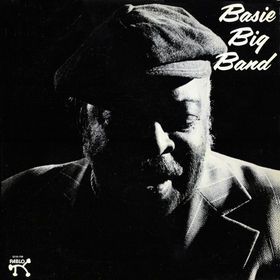
Count Basie – Basie Big Band

  • Both sides of this vintage pressing have seriously good sound for Basie’s Pablo label debut, earning solid Double Plus (A++) grades
  • Basie Big Band is a top Basie big band title in every way – musically, sonically, you name it, this album has got it going on
  • Guaranteed to be dramatically livelier and more dynamic than any Basie title you’ve heard – if you like your brass big, rich and powerful, you came to the right place
  • Lots of tight, deep, note-like bass and unerringly correct timbre for the brass throughout

More Basie big band analog magic, this time from his 1975 debut for Pablo.

With 18 pieces in the studio (five trumpets!, four trombones!, five saxes!) this album can be a real powerhouse — if you have the right copy, and both sides here show you just how lively and dynamic this music can be. It’s got real Demo Disc qualities, no doubt about it.

When you get this record home, pay special attention to how natural and correct the timbre of the brass is. This is the hallmark of a well recorded album — it sounds right.

Cool Sounds on Side Two

Check out the triple flutes on the first track — on a copy like this you will hear some shockingly Tubey Magical, breathy, sweet, natural flutes. And there are three of them! Even large classical orchestras rarely have three flutes. The sound is to die for.

Play any number of copies and listen for the tri-flute sound — some copies are tubier and a bit smeary, some are breathier and a bit thin, some are recessed, some are more present. On a resolving system no two pressings will have those flutes sounding exactly the same.

Don’t judge the whole side by just the flutes, they are only one element in a complex array. But they are a very strong clue as to what the rest of the sound is doing better or worse – one might even go so far as to say right or wrong.

(more…)

Bad Company – Run With The Pack

SUPERB SOUND on Hot Stamper 2-pack! This is not an easy album to find with audiophile sound, and since our best sides were less impressive on their flipsides, we paired up these two copies to give you incredible sound for the album from first note to last.

Side two of the second record is the real deal, with BIG, RICH and ROCKIN’ White Hot Stamper sound. Side one of the first record is nearly as good (A++ to A+++), boasting exceptional transparency, excellent balance and something we didn’t hear on most copies: ENERGY.

Far too many original pressings (the only ones we liked, the reissues sounded too dubby to be taken seriously) were overly compressed and lifeless. This bad boy brought the band to life like practically no other.

When we set out to do this shootout, our first for the album, there was no question in our minds that Run With The Pack had the potential to be a great sounding LP. Ron Nevison, the man behind the board for the first two Bad Co. releases, both of which can be shockingly good and certainly deserve a place on our Top 100, engineered this one as well, with Eddie Kramer mixing at Kendun. RWTP may not be quite up to the standards set by those two monster rock albums, but on the best copies RWTP delivers the Classic Rock weight and energy that our audiophile fans have come to expect from their better records.

Scratch that — what we should have said was the best sides deliver that sound. The first record here, with nearly White Hot Stamper sound, has a side two with anemic vocals and no top end to speak of. The tonal balance is so far off we just called it NFG and moved on to the next copy. Who wants to play a Bad Company album that sounds as thin as a bad CD?

(more…)