lacks-life

The audiophile and other pressings listed here are as dead as the proverbial doornail.

The life of the music was sucked out of them by poor mastering, bad tapes, or the use of audibly inferior cutting equipment. In most cases it was some combination of the three.

Any properly-mastered, properly-pressed vintage LP — the kind we offer by the hundreds — will expose what con-jobs these so-called audiophile pressings are when played on a dynamic system at good loud levels.

Chicago – What We Heard Circa 2008

More of the Music of Chicago

In 2008, we had a lot of trouble finding good sound on the copies of the first album that we had on hand, more than a dozen I’m sure.

Over the next five to ten years we managed to do a much better job of cleaning and playing the band’s debut, to the delight of our listening panel as well as our Hot Stamper fans.

This is the kind of album that most audiophiles would be sorely tempted to give up on. Who can blame them?

So Many Faults, So Little Time

The average copy of this album is an unmitigated DISASTER. The smeary brass alone is enough to drive anyone from the room.

To a list of its faults you can confidently add some or all of the following:

1) blobby, blurry, out of control bass;
2) opaque, veiled mids;
3) rolled off highs, or no highs, whichever the case may be, common to virtually every pressing you find;
4) plain old distortion; and, last but not least,
5) the kind of compressed, lifeless sound that manages to make this groundbreaking album boring — and that’s not easy to do.

The music ROCKS! It’s the crappy records Columbia pressed that suck.

(more…)

Ridiculously Phony and Compressed Sound – The White Album on MoFi

Sonic Grade: F

An Audiophile Hall of Shame pressing and another MoFi LP reviewed and found seriously wanting. The phony sound here is perfectly suited to the stone age stereos of the past. I should know. I had a stereo like that back in 1982 when this record came out, and I thought it sounded great.

The last time I played a copy of the MoFi, I could not believe how ridiculously bright, phony and compressed it was.

As sibilant as any Beatles record they ever did. Cry Baby Cry spits like crazy!

And to think I used to like their version when it came out back in the 80s.

A good example: on Yer Blues, the MFSL pressing positively wreaks havoc with all the added bass and top end The Beatles put on this track. The MoFi version is already too bright, and has sloppy bass to start with, so the result on this track is way too much BAD bass and way too much BAD spitty 10k-boosted treble. The MoFi is nothing like the good imports, which have way too much GOOD bass and treble.

Yer Blues ROCKS! Listen to the big jam at the end of the song, where John’s vocal mic is turned off but his performance is still caught by a room or overheard mic. They obviously did this on purpose, killing his vocal track so that the “leaked” vocal could be heard. (We have since learned from Ken Scott that it was mistake, but one they liked and left in.)

Those crazy Beatles! It’s more than just a cool “effect.” It actually seems to kick the energy and power of the song up a notch. It’s clearly an accident, but an accident that works. I rather doubt George Martin approved. That kind of “throw the rule book out” approach is what makes Beatles recordings so fascinating, and The White Album the most fascinating of them all.

The EQ for this song is also a good example of something The Beatles were experimenting with, as detailed in their recording sessions and later interviews with the engineers. They were pushing the boundaries of normal EQ, of how much bass and treble a track could have. This track has seriously boosted bass, way too much, but somehow it works.
(more…)

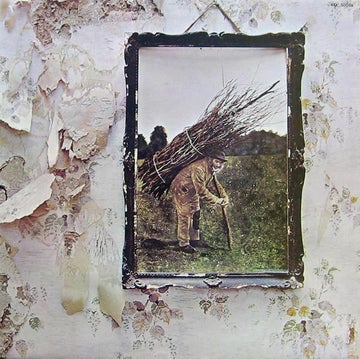
Today’s Heavy Vinyl Disaster from Classic Records… Zep IV

Hot Stamper Pressings of the Music of Led Zeppelin Available Now

A classic case of live and learn

Back in the day I thought the Classic 180 and then 200 gram pressing was the king on this title. In late 2006 I wrote:

“You can hear how much cleaner and more correct the mastering is right away…”

Folks, I must have been out of my mind.

No, that’s not quite fair. I wasn’t out of my mind. I just hadn’t gotten my system to the place where it needed to be to allow the right original pressings to show me how much better they can sound.

Our EAR 324 phono stage and constantly evolving tweaks to both the system and room are entirely responsible for our ability to reproduce this album correctly. If your equipment, cleaning regimen, room treatments and the like are mostly “old school” in any way, getting the album to sound right will be all but impossible. Without the myriad audio advances of the last decade or so you are just plain out of luck with a Nearly Impossible to Reproduce album such as this.

All of the above are courtesy of the phenomenal revolutions in audio that have come about over the last twenty years or so. It’s what progress in audio in all about.

The exact same 200 gram review copy now [this was written about ten years ago] sounds every bit as tonally correct as it used to, and fairly clean too, as described above, but where is the magic?

You can adjust your VTA until you’re blue in the face, nothing will bring this dead-as-a-doornail Classic LP to life.

(more…)

Katy Lied – A MoFi that Beggars Belief

Katy Lied is bad enough to have earned a place in our Mobile Fidelity hall of shame.

By the time I was avidly collecting Mobile Fidelity records in the late 70s, this title had already gone out of print, one of the first to do so. My guess is that even the cloth-eared audiophiles at MoFi knew when they had a turkey on their hands and mercilessly put this one out of its misery.

Yes, the sound is so bad that even the brain trust at MoFi could hear it. 

Compressed and lifeless (almost as lifeless as the screen speakers so popular at the time), it’s hard to imagine any version sounding worse than this one. (Which is why it’s on this list.)

And yet I continued to play my copy, for enjoyment of course, oblivious — I must have been oblivious, right? — to the bad sound.

Why? That’s hard to say, but here’s a stab at it.

The vinyl was exceptionally quiet for one thing, and for another, as an audiophile I knew this MoFi pressing had been made with tender loving care, using a putatively superior process, Half-Speed mastering, from the original master tapes, and had been pressed in Japan on the quietest, flattest vinyl in the world. What could possibly go wrong?

My old story about One Man Dog gets to the heart of it.

I didn’t understand records very well and I sure didn’t understand the value of doing shootouts — or even how to do them — using multiple copies of the same album.

(more…)

The Doors’ Debut – MoFi Reviewed

More of the Music of The Doors

Sonic Grade: D 

If anyone still thinks that this pressing is anything but a bad joke played on the audiophile public — so sucked out in the midrange, bass shy and compressed to death — that person still has a way to go in this hobby.

A very long way.

You can hear that something is off with this pressing from another room. The sound is bad enough to have earned a place in our Mobile Fidelity Hall of Shame.

But wait just a gosh darn minute.

I liked the MoFi just fine when it came out. I guess I had a way to go in this hobby too.

That was back in the early ’80s. I like to think I’ve learned a thing or two in the last forty years.

Some reviewers and a great many audiophiles may be stuck in the 80s, but I sure as hell don’t think I am one of them.

(more…)

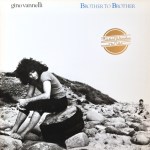
Brother to Brother – A Half-Speed Mastered Disaster

More of the Music of Gino Vannelli

More of Our Favorite Titles from 1978

Sonic Grade: F

An Audiophile Hall of Shame pressing and a Half-Speed Mastered Bomb if there ever was one.

Wooly bass, sucked-out mids, compressed to death, this record is one of the worst of the A&M Half-Speed series, and that is saying a lot.

We’ve played at least a dozen titles from this series and only one of them was any good.

The regular A&M pressings with the right stampers just kill it.

This pressing is every bit as bad.

(more…)

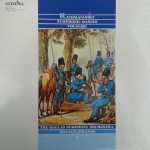
Audiophile Reviewers Raved About This Doug Sax Tube-Mastered Mess

User comments

More of the music of Sergei Rachmaninoff (1873-1943)

The reviews below will sound depressingly familiar to you if you have been in audio for as long as I have.

Sonic Grade: F

This Athena LP is now long out of print, but it received rave reviews when it was released. (We quote many of them below.) This album is a member of the TAS Super Disc list, but we found the sound awfully opaque, smeary, slow and compressed, the kind of bad “analog” sound that Doug Sax brought to the early AP releases. 

The sticker on the shrink wrap of a previous copy had these quotes:

“…for this is the definitive symphonic recording to date.” – J. Gordon Holt/ Stereophile

“Wins ‘Best Record of the Year’ award against tough competition.” – Joe Hart/High End Audio Press & Music Review

“HP heard the Athena remastering of the Rachmaninoff and found it stunning. He could recommend it without reservation.” – Harry Pearson/The Absolute Sound #57

I guess things never change.

And doubtlessly he continued to refer to himself in the third person until the end.

Reviewer malpractice? We’ve been writing about it for more than 25 years.

(more…)

Ride The Lightning at 45 RPM – MoFi Reviewed

Hot Stamper Pressings of Rock and Pop Albums Available Now

Sonic Grade: F

This review is for the 2008 Warner Brothers 45 RPM 180g Double LP Half-Speed Mastered by Mobile Fidelity from the original analog master tapes.

Compressed, sucked-out mids, no deep bass and muddy mid-bass, the mastering of this album is an absolute disaster on every level.

If you want to know how lost the average audiophile is, a quick Google search will bring up plenty of positive comments from listeners and reviewers alike. 

(more…)

Blonde on Blonde Is a Joke on Sundazed in Mono

Hot Stamper Pressings of the Music of Bob Dylan Available Now

Flat as a pancake and dead as a doornail, sounding like most of the Sundazed records we used  to play all those years ago. (We admit we even sold a few of their titles too.)

Is it the worst version of the album ever made? Hard to imagine it would have much competition.

Sundazed is clearly a label that should be avoided by audiophiles looking for high quality sound. Their incompetent remastering hack work on Blonde on Blonde is just more evidence to back up our low opinion of them.

There is an abundance of audiophile collector hype surrounding the hundreds of Heavy Vinyl pressings currently in print. I read a lot about how wonderful their sound is, but when I actually play them, I rarely find them to be any better than mediocre, and many of them are downright awful.

Music Matters made this garbage remaster. Did anyone notice how awful it sounded? I could list a hundred more that range from bad to worse — and I have!

Audiophiles seem to have approached these records naively instead of skeptically.

(But wait a minute. Who am I to talk? I did the same thing when I first got into audio and was avidly collecting records in the Seventies.)

How could so many be fooled so badly? You would think that some of these people have good enough equipment to allow them to hear how substandard these records sound.

(more…)

The Cars on Nautilus – Ouch!

More of the Music of The Cars

Sonic Grade: F

This Nautilus Half-Speed Mastered LP is pure mud — compressed, thick and congested, a disaster on every level, much like their atrocious remastering of Candy-O.

Is it the worst version of the album ever made? Hard to imagine it would have much competition.

If you own this Audiophile BS pressing (NR-14) and you can’t hear what’s wrong with it, you seriously need to consider ditching your current playback system and getting another one.  It is doing you no favors.

Our Nautilus pressing here is yet another one of those Jack Hunt turgid muckfests (check out City to City #058 for the ultimate in murky sound), is incapable of conveying anything resembling the kind of clean, clear, oh-so-radio-friendly pop rock sound that producer Roy Thomas Baker, engineer Geoff Workman and the band were aiming for.

The recording has copious amounts of Analog Richness and Fullness to start with. Adding more is not an improvement; in fact it’s positively ruinous.

(more…)