1+

The pressings listed here earned a not-awful, but not-very-good-either sub-Hot Stamper grade of 1 plus on at least one side.

To qualify as a Hot Stamper pressing, both side must earn grades of 1.5+.

Some Pressings of Tchaikovsky’s Piano Concerto No. 1 Can Sure Be a Letdown

Hot Stamper Pressings of the Music of Tchaikovsky Available Now

I don’t know of another recording of the work that gets the sound of the piano better. On the properly-mastered, properly-pressed copies, the percussive quality of the instrument really comes through.

But that quality (along with lots of others) is only heard on the better copies.

The reissues (one with the later Tulips label, one with the earlier Large Tulips label) described below are at best passable, and some of them were just awful.

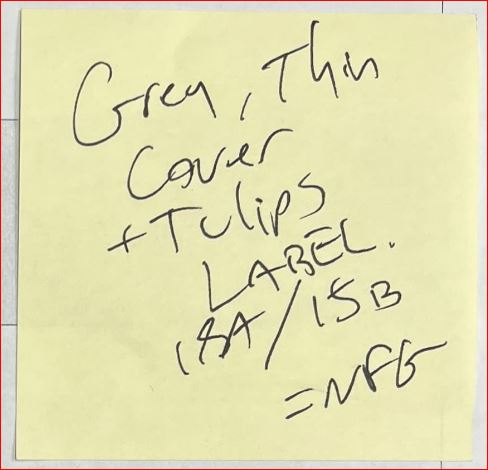
The note to the left makes clear that even some of the early Large Tulips label pressings had very bad sound. Watch out especially for 18A/15B stampers. They’re NFG: No F***ing Good.

As you can see from the notes above for this particular recording in the Black and White cover, one side was passable, earning our 1.5+ grade. That makes it a decent sounding record, I suppose, but it’s a long, long, long way from the best.

1.5+ is four grades down from the top copy. That’s a steep dropoff as far as we’re concerned. 1.5+ only hints at how good a recording this DG can be on the best pressings.

To see more records that earned the 1.5+ grade, please click here. (Incidentally, some of them are even on Heavy Vinyl. The better modern pressings have sometimes, if rarely, been known to earn Hot Stamper grades, and two recently shocked the hell out of us by actually winning a shootout. Wouldn’t you like to know which two!)

One Plus (1+) is a sub-Hot Stamper grade. We do not sell records that do not earn a grade of at least 1.5+ on both sides.

For those who might be interested, there’s more on our grading scale here.

Our Favorite Performance with Sound to Match

A recent listing for the album can be found here.

Without question this is a phenomenal piano recording in every way.

On the best copies the rich texture of the strings is out of this world — you will have a very hard time finding a DG with better string tone. This record does not have the shortcomings of the average DG: it’s not hard, shrill, or sour.

DG made plenty of good records in the 50s and 60s, then proceeded to fall apart, like most labels did. This is one of their finest. It proves conclusively that at one time — 1962 to be exact — they clearly knew exactly what they were doing.

It’s amazing how many piano recordings have poorly-miked pianos. The badly recorded pianos are either too distant, lack proper reproduction of the lower registers, or somehow smear the pounding of the keys into a blurry mess.

Are they badly recorded?

Or is it a mastering issue?

Perhaps a pressing issue?

(more…)

For Also Sprach Zarathustra, These Stampers Are Passable at Best

Hot Stamper Pressings of Living Stereo Titles Available Now

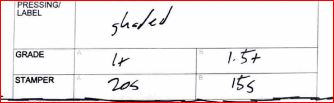
Even though they had the Shaded Dog label, some of the later stampers for this record were not very good sounding compared to the ones that won our shootouts.

20s backed by 15s earned grades that would prevent it from being sold as a Hot Stamper pressing.

One side was passable, earning our 1.5+ grade. It’s a decent sounding side I suppose, but a long, long, long way from the best.

1.5+ is four grades down from the top copy, the kind that would end up in this section. (To read about some phenomenally good sounding Shootout Winning pressing we’ve played recently, click here.)

That’s a steep dropoff as far as we’re concerned. 1.5+ only hints at how good a recording LSC 2609 can be on the best vintage pressings.

To see more records that earned the 1.5+ grade, please click here. (Incidentally, some of them are pressed on Heavy Vinyl. The best modern pressings have sometimes, though rarely, been known to earn Hot Stamper grades, and one shocked the hell out of us by actually winning a shootout. Wouldn’t you like to know which one!)

The 1+ grade found on this side one means it’s simply not very good, Shaded Dog label or no Shaded Dog label.

The average Shaded Dog may be better than the average classical record, but that certainly doesn’t mean it has any claim to audiophile sound. We’ve played bad early RCA pressings by the hundreds. Now, with this blog we can point some of them out to those record lovers who are more interested in top quality sound than an original label.

For those who might be interested, there’s more on our grading scale here.

There are quite a number of other records that we’ve run into over the years with obvious shortcomings.

(more…)

Are White Label Promos the Way to Go on this Mystery Columbia Jazz Album?

Hot Stamper Pressings of Vintage Columbia Albums Available Now

Recently we conducted a shootout for a Columbia recording, one that we had auditioned a couple of times before and one for which we knew the music and the general quality of the sound well.

It’s not the record you see pictured. For now we’re keeping the title a mystery, consistent with the idea that we give out lots of bad stampers on this blog, but almost never do we give out the good ones. (When we do give out the best stampers, we keep the title a mystery. We are not the least bit interested in putting ourselves out of business.)

The discussion for today revolves around the idea held by a great many audiophiles that the White Label Promo copies are going to be the best sounding pressings of almost any album they might happen to run across.

And, to be fair, in the case of this mysterious double album, they’re right.

Our two best sounding copies were White Label Promos.

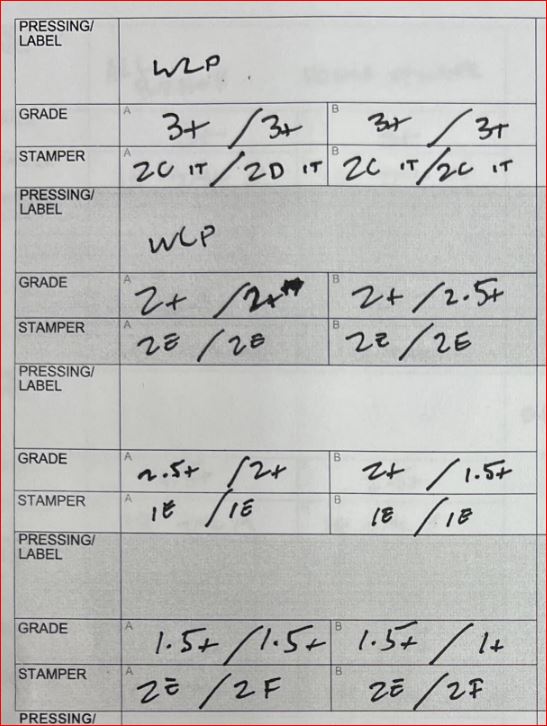
What interests me in these findings is that the stampers for a White Label Promo copy, the second one, the one with mostly Super Hot grades, are almost identical to the one that came in last in the shootout, with barely passable grades.

If an audiophile collector were to go to Discogs, find the WLP pressings, write down their stampers, and then check them against the copies he owned or might want to buy, he could either find himself with a top quality copy, or a not-nearly-as-good copy, depending on his luck. (And side four of the worst pressing earned a sub-Hot Stamper grade of 1+.)

Why one set of stampers sounds so much better than another set, or the same or similar set on a different pressing, is a mystery.

Does anyone have a practical way to get around the unfortunate reality that allows one set of stampers to sound great and the same or a similar set of stampers to sound not much better than decent?

Well, we can’t say there is a practical way, but we do know of an impractical one. We’ve been practicing and refining that one for more than twenty years.

(more…)

Sterling Cut By Far the Best Sounding Pressings of I’m Ready

Hot Stamper Pressings of Soul, Blues, R&B, etc. Available Now

Forget the reissue copies that come in the cover you see to the left, the one with a thin black border.

If you want to hear this album right, a Hot Stamper early domestic pressing is the only way to go.

And take it from us, you need to see the Sterling mark in the dead wax of your pressing to have any hope of hearing audiophile-quality sound.

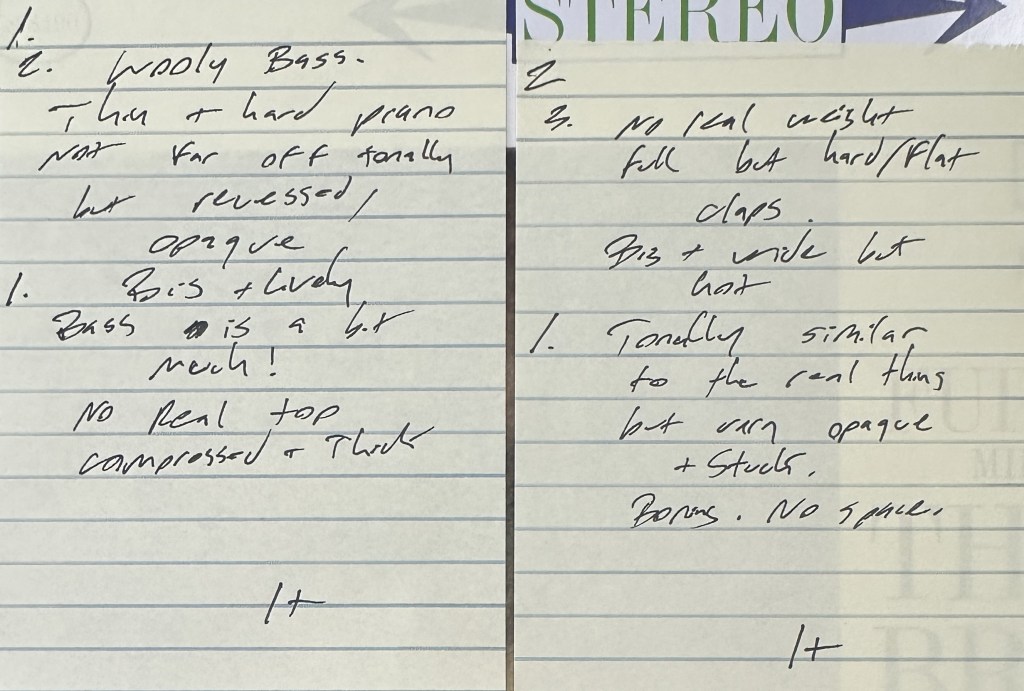
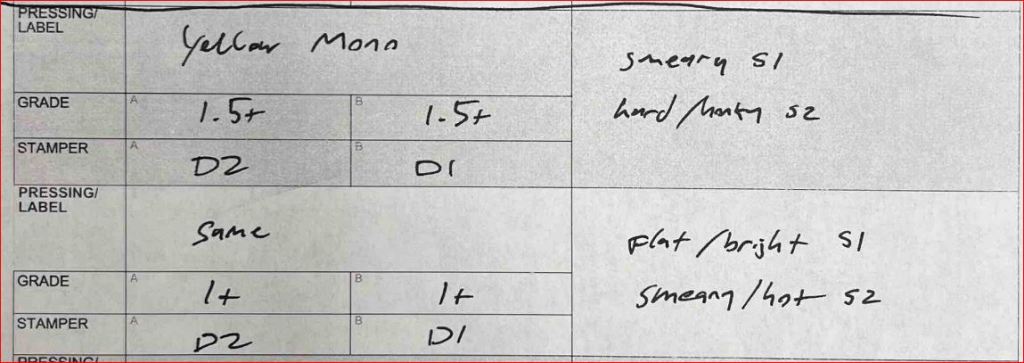
As you can see from the notes above, the two reissue non-Sterling copies we played had hopelessly bad sound.

One was smeary, hard and hot.

The other was the brightest and most spitty.

Note that we didn’t deem it necessary to play side two of either copy. A one plus side one rules out the possibility of it being a Hot Stamper pressing.


Consider taking our moderately helpful advice concerning the pressings that consistently win our shootouts.

Based on our experience, I’m Ready sounds its best:

(more…)

Did You Get Your $1.87’s Worth on the Reissue of Suites For Solo Cello?

Hot Stamper Pressings of Mercury Recordings Available Now

Many of the Oval Label pressings we’ve played recently have fared poorly in our shootouts.

As you can see from the notes below for this particular Starker record, one side was passable, earning our 1.5+ grade. It’s a decent sounding record I suppose, but a long, long, long way from the best.

1.5+ is four grades down from the top copy. That’s a steep dropoff as far as we’re concerned. 1.5+ only hints at how good a recording SR 90370 can be on the best vintage pressings.

To see more records that earned the 1.5+ grade, please click here. (Incidentally, some of them are even on Heavy Vinyl. The better modern pressings have sometimes, if rarely, been known to earn Hot Stamper grades, and one shocked the hell out of us by actually winning a shootout. Wouldn’t you like to know which one!)

For those who might be interested, there’s more on our grading scale here.

We often tell audiophiles that it’s never a good idea to judge records by their labels, so when it came time to do a shootout for this famous Bach recording from Mercury, it was only fitting that we play every pressing we had on the shelf, including the later Ovals, which are by far the easiest to find for any of the Starker Mercury titles.

Well, now we know. This is some weak tea, probably not too different from the Philips-pressed Golden Imports we gave up on long ago.

(more…)

It Took Us More than Twenty Years to Figure Out What Was the Problem

Hot Stamper Pressings of the Music of Neil Young Available Now

Years ago — precisely how many we can’t really say, the old listings for those records have been deleted — we thought the original pressings in the nameless cover you see pictured had the best sound.

We thought the pressings that came in this early cover were the ones that were made from the original mix, the mix that Neil later disowned. (More on that below.)

We had played a number of copies that came in the original cover, and they sounded better to us than the others we had auditioned.

Our mistake was not understanding that pressings made with the first mix and pressings made with the second mix both came in the early cover, and both were pressed on the Reprise Two Tone label.

Here is what we wrote some years ago:

It turns out the remixed pressings we’d been selling for years were not the way to hear this album at its best. Neil wanted his voice to sound clearer and more present than the first mix, but the approach the engineers took to increase the clarity and presence was simply to boost the middle and upper midrange, a boost that seriously compromises the wonderful Tubey Magic found in the rich lower midrange of the original mix.

Neil may have liked the sound of his voice better on the new mix, played back on whatever mediocre-at-best stereo he was using at the time, but we here at Better Records are of a decidedly different opinion. On a modern, highly-resolving system Neil’s voice will not sound the least bit “buried” on the original mix, not on the better pressings anyway. Of course, the better ones are the only ones we sell.

If you want to hear this album sound right, we strongly believe that the original mix is the only way to go. And if you want to hear this album sound really right, better-than-you-ever-thought-possible right, you need a copy that was mastered, pressed and cleaned properly, and that means a Hot Stamper from Better Records.

It turns out the stampers for the pressings we like are the ones made from the remixed tapes.

(more…)

On King Crimson’s Red Album, How Good Are the Polydor Pressings?

Hot Stamper Pressings of the Music of King Crimson Available Now

Harsh and congested.

Not remotely competitive with the British originals.

Clean copies on the UK Island label may be hard to find, but they are the only game in town if you are serious about sound.

Want to find your own killer copy?

Consider taking the following moderately helpful advice.

As of 2024, shootouts for this album should be carried out:

How else can you expect to hear the record sound its best?

Based on our experience, Red sounds better:

That’s about it. They are neither easy nor cheap to find, but they are definitely the best sounding.

There’s more collecting help where that came from. Click on the top link below to learn about the pressings that win shootouts.

(more…)

Audiophiles Should Stick with Stereo on Looking Ahead!

Hot Stamper Pressings of Contemporary Jazz Albums Available Now

As a general rule, audiophiles should stick to stereo pressings of stereo recordings.

Case in point: The early stereo pressing of the album you see pictured to the left is an amazing Demo Disc quality jazz record.

Here is how we described a killer copy we found recently:

We play a lot of vintage Contemporary recordings, but this one surprised us right from the first track with sound that stands out — this on a label that produced many of our favorite standout recordings.

Both of these sides are clean, clear, and transparent, with an abundance of energy and wonderful clarity in the mids and highs.

This is not an easy record to come by, as evident by how long it took us to get our most recent shootout going, and they usually don’t sound anywhere near this good when you’re lucky enough to be able to track one down.

Mono Mistakes

However, do not make the mistake of thinking that any of these wonderful comments apply to the two mono pressings we played.

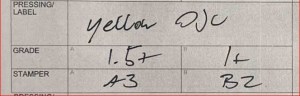
One was passable, earning our 1.5+ grade. It’s a nice enough sounding record I suppose. Smeary, hard and honky.

Of all the Heavy Vinyl pressings we’ve played over the years, only a handfull of the best of them would earn that grade or better. They would suffer from a different suite of problems, but they would be problems nonetheless. Some of our reviews for them can be found here.

1.5+ is four grades down from the top copy. That is a steep dropoff as far as we are concerned. 1.5+ only hints at how good a recording Looking Ahead! can be on the best vintage pressings. (The OJC we played earned the same grade.)

(more…)

The RCA Later Label Pressings from the 70s Fall Short Yet Again

Hot Stamper Pressings Featuring the Violin Available Now

Many of the later RCA pressings we’ve played recently have left a lot to be desired.

We’re on record as telling audiophiles that it’s never a good idea to judge records by their labels, so when it came time to do a shootout for this famous Heifetz recording from 1963, LSC 2652, it was only fitting that we force ourselves to clean and play every pressing we had on the shelf, including the White Dogs and Red Seal reissues.

The White Dog did fine (2+ for the Bruch on side one, 1.5+ for the Mozart on side two).

The Red Seal had all the hallmarks of the transistory sound RCA apparently preferred in the 70s.

There are Red Seal pressings with excellent sound — some of them have won shootouts — but this one had too many similarities to the awful Classic Record classical titles produced in the 90s. You know the ones I’m talking about. They have bright, screechy string tone that no self-respecting audiophile with even passable equipment should find tolerable.

(The fact that many of them remain on the TAS list speaks volumes about the self-identified experts’ ability to distinguish a good record from a bad one. More on that subject below.)

More of the Same

Below you will find links to other records we’ve played that had the same problems as this RCA and are best avoided by audiophiles looking for high quality pressings to play.

There is no shortage of other records that we’ve run into over the years with these kinds of obvious shortcomings.

(more…)

A Pink Label Island LP Left Us with Egg on Our Face

Hot Stamper Pressings of the Music of Traffic Available Now

We used to think that The Best of Traffic had better sound than the early pressings of Mr. Fantasy, but in a head to head comparison with a killer copy we played not long ago, we were proved wrong, or, perhaps more accurately, we proved ourselves wrong, something we pride ourselves in being able to do by carrying out regular shootouts for records we’ve been listening to for more than twenty years.

Oddly enough, in our shootouts we often learn new things about records we thought we knew well.

Here is what we had to say about one of the tracks on Mr. Fantasy that we thought sounded dramatically better on The Best of Traffic back around 2005:

Best evidence: Heaven Is In Your Mind, the second track on side one. It is amazing sounding here and such a disappointment on every Pink Label Island original we’ve played.

Once you know how good that song can sound — by playing a Hot Stamper copy of Best of Traffic like this one — going back to the original version of the song found on the album is not just a letdown, it’s positively painful. Where’s the analog magic? The weight to the piano? The startling clarity and super-spaciousness of the soundfield? The life and energy of the performance?

They’re gone, brother. Not entirely gone, mind you, more a shadow of what they should be, but once you’ve heard the real thing it’s not a lot of fun listening to a shadow.

You can be sure that we did not know what we were talking about when we wrote all that.

What we had done is assumed that all the pink label pressings of Mr. Fantasy sounded like the one we played, something we’ve been telling audiophiles for twenty years not to do, because collecting records by label is a fool’s game.

In this case, clearly we are the fools.

It probably — probably, since all the evidence points in the same direction — had the stampers you see below, apparently known as an Orlake Pressing, something I knew nothing about until reading about it on Discogs just now.

  • Matrix / Runout (Side A, stamped): ILPS+9061+A
  • Matrix / Runout (Side B, stamped): ILPS+9061+B

These same stampers would be used to press the Pink Rim Label copy you see below. We put it into a recent shootout and described it as having “hollow, dubby” sound.

Yes, we heard the very same “dubby” sound on a copy we played about twenty years ago, and thought all the early pressings on Island, pink and pink rim alike, had these same mastering shortcomings.

Back then we didn’t know what we know now, which is that the right UK pressings on Island of Mr. Fantasy are dramatically better sounding.

In fact, they handily win our shootouts, something they have been doing for at least the last ten years or so.

We’ve run into so many sonically-flawed Pink label Island pressings by now that hearing one sound lackluster if not actually awful doesn’t phase us in the least.

Some of the other pink label Island pressings that never win shootouts can be found here.

But before that, back in the dark days of the early 2000s, we clearly were lacking a comprehensive understanding of the sound of the various UK pressings of the album.

There was a great deal of research and development left to be done. Eventually our efforts led to a breakthrough in 2006.

For more than twenty years, this is the kind of work we have undertaken. Why? Because we get paid to do it.

We may be the most knowledgeable experts on the planet when it comes to the best sounding pressings of audiophile-quality recordings — if we’re not I’d like to know who is, and how they came by that information — but that doesn’t mean we know it all.

If we come across that way, it’s the result no doubt of our enthusiastic responses to the hundreds of amazing records we’ve had the pleasure to hear. For example, here’s one, and of course there are literally hundreds and hundreds of others with similarly over-the-top notes. Allow me to apologize for any misunderstanding our commentary may have caused.

One thing we do know: all knowledge, of records or anything else you care to name, is provisional.

If somehow we did know it all, there would not be a hundred entries in our live and learn section.

We regularly learn from our mistakes — like the record reviewed here — and we hope you do too.

However, we learn things from the records we play — not by reading about them, but by playing them. Our record experiments, conducted using the shootout process we’ve painstakingly developed and refined over the course of the last twenty years, produces all the data we need: the winners, the losers, and rankings for all the records in between.

We’ve achieved our results by purposefully ignoring everything there is to know about a record — who made it, how they made it, when they made it — everything, that is, but the sound coming out of the speakers of our reference system.

(more…)