Labels We Love

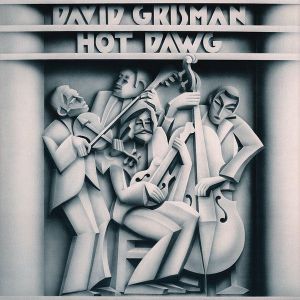
David Grisman – Hot Dawg

More David Grisman

  • David Grisman’s 1978 release finally returns to the site with STUNNING Nearly Triple Plus (A++ to A+++) sound throughout, just shy of our Shootout Winner – exceptionally quiet vinyl too
  • These sides are clear and lively, with the all-important Tubey Magic that was missing from many of the copies we played
  • Transparency, speed and freedom from smear are key to the best copies – this one showed us just how good the record can sound
  • 4 1/2 stars: “Grisman’s lively ‘Dawg’s Bull’ and guitarist Tony Rice’s upbeat ‘Devlin’ set a high standard at the opening of the album, yet the remaining tracks continue to meet the high watermark of the first two songs.”

(more…)

Mozart / Haydn – Symphony No. 35 / 104 / Krips

More of the Music of Wolfgang Amadeus Mozart

  • With two outstanding Double Plus (A++) or BETTER sides, we guarantee you’ve never heard these symphonic masterpieces sound as good as they do here
  • It’s also reasonably quiet at Mint Minus Minus considering that RDG vinyl is often a problem -It’s one of the main things that keeps some pressings from sounding their best, obviously not a problem here
  • This Readers Digest pressing of Krips’s superb 1964 recording for Decca has glorious sound for any LP produced by this notoriously difficult label (difficult for audiophiles, everybody else loved the fact that a whole set of amazing sounding records was less than twenty bucks!)
  • The texture and harmonic overtones of the strings are superb – as we listened we became completely immersed in the music on the record, transfixed by the remarkable virtuosity Josef Krips and the Royal Philharmonic Orchestra brought to these difficult and demanding works nearly 60 years ago

This vintage pressing has the kind of Tubey Magical Midrange that modern records can barely BEGIN to reproduce. Folks, that sound is gone and it sure isn’t showing signs of coming back. If you love hearing INTO a recording, actually being able to “see” the performers, and feeling as if you are sitting in the studio with the band, this is the record for you. It’s what vintage all analog recordings are known for — this sound.

(more…)

Mendelssohn and Bruch / The World of the Great Classics, Vol. 3

More of the music of Felix Mendelssohn (1809-1847)

Hot Stamper Pressings Featuring the Violin

  • A superb Decca reissue with Double Plus (A++) sound from the first note to the last
  • A spectacular Demo Disc Quality Orchestral recording – big, clear, rich, dynamic, transparent and energetic
  • The violin is so sweet and present, so rich, natural and real, you will forget you’re listening to a record at all
  • The glorious sound of these truly great 1958 All Tube “Decca Tree” recordings from Kingsway Hall is faithfully captured in all its beauty on this very disc

This is one of the ALL TIME GREAT violin concerto records. In Ruggiero Ricci’s hands both works are nothing short of magical. If you want to know why people drool over Golden Age recordings, listen to the violin. Careful, when you hear it you may find yourself drooling too.

The staging of the orchestra and violin is exactly the way we want to hear it in our heads. Whether it would really sound this way in a concert hall is impossible to say — concert halls all sound different — but the skill and the emotion of the playing is communicated beautifully on this LP. This is a sweetheart of a record, full of the Tubey Magic for which London recordings are justly famous.

As we noted above, engineering took place in the legendary Kingsway Hall. There is a richness to the sound of the strings that is exceptional, yet clarity and transparency are not sacrificed in the least.

(more…)

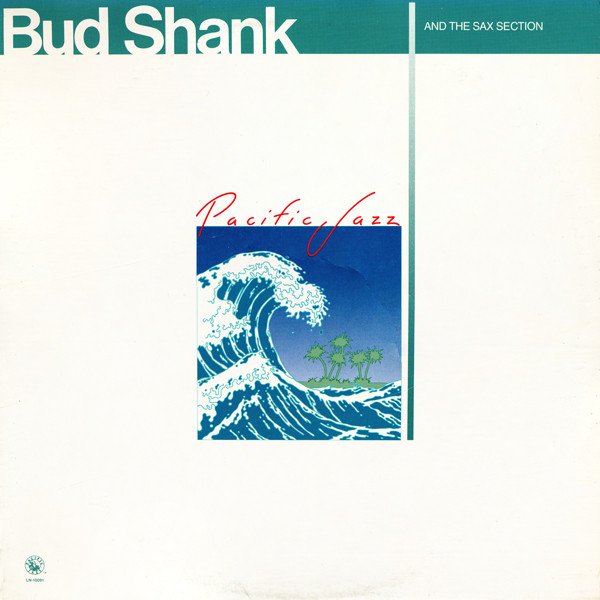
We Used to Sell the Dubby Reissues of Bud Shank And the Sax Section, Ouch

More of the Music of Bud Shank

I used to sell reissues of this record back in the day some twenty odd years ago. While they aren’t terrible — lackluster is a more apt description — we can clearly hear now that they are made from second generation tapes.

The stage is recessed and collapsed, and the sound never gets big enough nor lively enough to free itself from the speakers. (This happens to be our all-too-common experience with many of the Heavy Vinyl pressings we audition and consequently write mean things about. Can you blame us? We loathe that sound.)

It’s yet another example of a record we was wrong about. Live and Learn, right?

I would not buy any Pacific Records pressing with this style reissue cover. We’ve never heard one sound better than mediocre on our current system.


This record sounds best this way:

(more…)

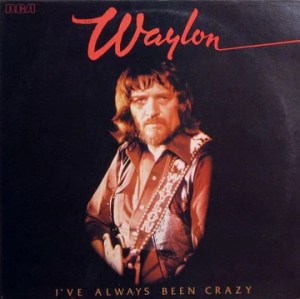
Waylon Jennings – I’ve Always Been Crazy

More Waylon Jennings

More Country and Country Rock

  • An original RCA Victor pressing with outstanding Double Plus (A++) sound on both sides – remarkably quiet vinyl too
  • You won’t believe how natural, rich, tonally correct and Tubey Magical this copy is – until you play it, of course
  • Waylon Jennings’ albums were not made for audiophiles, and many of them in our experience don’t sound very good, so it came as a welcome surprise that this recording from 1978 had just the kind of vintage analog sound we look for
  • 4 stars: “… a solid recording, still possessing the piss and vinegar of Jennings’ best work… necessary for any fan of outlaw country in general and Jennings in particular.”

(more…)

Tchaikovsky / Capriccio Italien / Ormandy

More of the music of Peter Ilyich Tchaikovsky (1840-1893)

More of the music of Rimsky-Korsakov (1844-1908)

  • Dynamic, huge, lively, transparent and natural – with a record this good, your ability to suspend disbelief will require practically no effort at all
  • “Tchaikovsky possessed a remarkable talent for instrumentation, instinctively scoring his works to obtain a maximum variety of color and the widest possible range of tonal effects. His “Capriccio Italien,” vibrant with the raw colors of its Italian song and dance rhythms, is one of his most popular works and shows the composer’s complete mastery of orchestration.”
  • If you’re a fan of orchestral showpieces such as these, this is a Columbia from 1966 that belongs in your collection.
  • The complete list of titles from 1966 that we’ve reviewed to date can be found here.

We’ve had copies of the album in the past, but they sure never sounded like this! From both an audiophile and music lover’s perspective, you would have a hard time finding a record that holds this much appeal to both groups.

The orchestra is big and rich, and there is lovely sheen to the strings. The piano is surrounded by plenty of space, with great depth to the hall. The weight and bite of the brass are near perfection. The top is extended and open. And the loud passages are big and stay smooth, with very little congestion even at the climax of the work. So LIFELIKE this way. (more…)

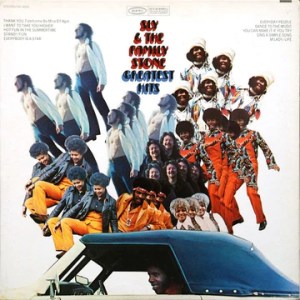
Sly and The Family Stone – Greatest Hits

More Sly and the Family Stone

More Soul, Blues, and R&B

  • An INCREDIBLE pressing of this nearly perfect Sly record, with Nearly Triple Plus (A++ to A+++) sound throughout – just shy of our Shootout Winner
  • The sound is huge – big, wide, deep, and open, with a punchy bottom end and rhythmic energy to spare, as well as cleaner, smoother, sweeter upper mids and a more extended top
  • You will find real high-resolution sound on this pressing, not the congestion, opacity and smear you would expect from a greatest hits compilation
  • 4 1/2 stars: “This summarizes their first four albums perfectly, adding the singles ‘Hot Fun in the Summertime,’ ‘Thank You (Falettinme Be Mice Elf Agin),’ and ‘Everybody Is a Star,’ possibly the loveliest thing they ever recorded… Greatest hits don’t come better than this — in fact, music rarely does.”

Both sides here have lively punchy drums; a big soundfield, front to back and side to side; tonally correct vocals (which obviously are key and sound edgy and thin on most copies), and real resolution to the sound overall, not the opacity and blur you would expect from a greatest hits compilation.

Also, and just as importantly, you lose the sibilance most copies suffer from and the smear on the horns goes away, thank goodness.

(more…)

Dialing in the Anti-Skate with Massed Strings

Hot Stamper Pressings of Orchestral Spectaculars Available Now

I once adjusted my anti-skate while playing this very album, at the time dialing it in to what I thought was a “T.” 

Over the years I’ve found that the best test for fine anti-skate adjustment is massed strings, and not just at the end of a side but right at the part of the record in which the anti-skate has been engaged. This will vary with different arms.

When you have all the rosiny texture, the high-end harmonic extension, the least shrillness and the widest and deepest staging, you are there, assuming that tracking weight, azimuth and VTA are correct as well.

Four variables to mess with is admittedly a bitch, but having the right record to test with is absolutely critical as well. Maybe we should call it five variables.

And if I only had one record to bring to someone’s house in order to evaluate their equipment, this would certainly be a top choice. If you can make this record sound the way it should, your stereo is cookin’. If you are having problems, this record will show them to you in short order.

(more…)

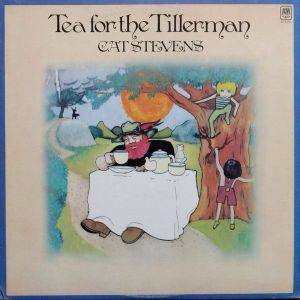
Cat Stevens – Tea For The Tillerman on the A&M Brown Label

More of the Music of Cat Stevens

More Reviews and Commentaries for Tea for the Tillerman

  • This superb Brown Label A&M pressing of TFTT – The Pinnacle of British Folk Rock from 1970 – earned solid Double Plus (A++) grades on both sides – reasonably quiet vinyl too
  • It was mastered by the same guy who cut the British pressings – Lee Hulko – and we guarantee the sound will hold its own against any copy you’ve ever played
  • The emotional power of the songs is communicated completely – we can assure you the experience will be like playing the album for the first time (so this is your chance!)
  • 5 Stars on Allmusic, a stunning Demo Disc, and a permanent member of the Better Records Top 100

Hearing this Hot Stamper is a PRIVILEGE that affords the listener insight into Cat Stevens’ music that is simply not possible any other way. The emotional power of these songs is communicated so completely through our better copies that we can assure you the experience will be like playing the album for the first time.

This is, I hope it goes without saying, one of the greatest Folk Rock records of all time, the kind of music that belongs in any collection. I’ve been playing this album for 40 years and I can honestly say I’ve never once tired of hearing it. I do get tired of hearing bad copies.

Cat’s mixes are full of subtle elements that may require many listening sessions over the course of years, even decades, to recognize and appreciate. Consider them an extra reward for having played the record so many times. I’ve played hundreds of copies over the last thirty plus years and never tired of it once. As every music lover knows, the best albums only get better with time.

(more…)

Symphonic Dances and the Need for Full Brass and Clean Cymbals

Hot Stamper Pressings of Orchestral Spectaculars Available Now

This reissue had the sound we were looking for!

One of the biggest advantages this copy had over most of what we played is fuller brass. The shrill sounding horns on most Columbia albums is what gets them tossed in the trade pile.

Fortunately for us audiophiles who care about these sorts of things, the sound here is rich and clean, with solid, deep bass. The stage is huge, with the multi-miking kept to a minimum so that you can really hear the space this big group of musicians occupies.

This pressing is a reissue, not a Six Eye original. The reason this particular LP beat every other pressing we played comes down to one specific quality — the top is dramatically cleaner and more extended.

There is a HUGE amount of top end on this recording. Wildly splashing cymbals and other percussion instruments are everywhere, and they are a joy to hear. No original was as clean up top as this reissue, and without a clear, (mostly) distortion-free top end, the work will simply not sound the way Bernstein wanted it to.

All that percussion is in the score. The high-frequency energy – perhaps the most I have ever heard from any recording of his music — is there for a reason. He conducted his own score, and one can only assume he liked the way it came out. We sure did.