blary-brass

Blary Brass Ruins Another Mercury – This Time It’s Pictures at an Exhibition

Hot Stamper Pressings of the music of Modest Mussorgsky Available Now

The sound of the pressings we’ve played over the years has always been awful.

On SR 90217, the brass is just too sour and blary. To our knowledge, no copies do not suffer from these problems.

Terrible performance too.

When the horns have clarity, correct tonality, plenty of space around them and a solid, full-bodied sound, probably every other instrument in the soundscape will too.

Other records with brass instruments that are good for testing can be found here.

One minute into side one we knew that this Mercury had failed the brass test. It was simply much too unpleasant to be played on modern high quality equipment.

The less revealing systems some audiophiles seem to favor can make the shortcomings of a recording such as this more tolerable, but we’ve worked very hard for many decades to make sure our system is as truthful and unforgiving as possible.

We knew right from the get-go this Mercury was not going to make the grade. Here are some others that we’ve found seriously wanting. We’ve also compiled a list of more than 40 of the worst sounding Heavy Vinyl pressings of orchestral and classical music, and it can be found by here.

(more…)

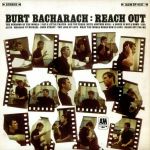
What to Listen For on Reach Out

More of the Music of Burt Bacharach

We played a good-sized stack of these recently, but not many of them sounded the way we wanted them to.

The majority of copies had a tendency to be bright, which is MURDER when the horns start blaring at the levels we play our records at.

In addition there are plenty of copies out there that lack energy, while others suffer from transient smearing, clearly audible on the brass.

And while we’re at it, what would a vintage A&M record be without a healthy amount of Tubey Magic? The best copies have loads of it, without ever becoming thick, fat, or overly smooth, or losing bass definition.

What to listen for? This group of problems that tends to plague the average copy:

  • Brightness,
  • Blare,
  • Lifelessness,
  • Smear,
  • Tubey Magic.

It takes a special copy to make these easy listening numbers sound as fresh and invigorating as they no doubt did in the studio, and that’s what the best Hot Stampers are all about.

Above all, this is simply a fun album of pop tunes, cleverly arranged and played with gusto. (I would be very surprised if these West Coast sessions weren’t Wrecking Crew to a man, or woman as the case may be. Bacharach is known to be a stickler so the best of the best session guys and gals are probably the only ones he would consider.)

When it sounds this good the music is positively wonderful. There are tons of Burt Bacharach hits here — The Look Of Love (sounding in some ways even better than it does on Casino Royale!), Message To Michael, Alfie, What The World Needs Now, I Say A Little Prayer and many more.

(more…)

This Living Stereo from 1958 Didn’t Make the Grade

Hot Stamper Pressings of Living Stereo Records Available Now

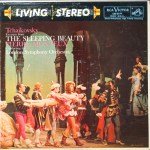
Our notes for this copy of LSC 2177 read “blary, bright, not nearly as good as Anserment’s recordings,” which are the ones we compared it to, both the complete ballet and the highlights.

In other words, it just sounded like an old record.

If you are looking for a top quality pressing with a performance to match, we recommend two:

  1. The complete ballet on three discs with Anserment conducting, and/or
  2. The highlights, on a single disc, again with Ansermet conducting.

This Shaded Dog might be passable on an old school audio system, but it was unpleasant when played on the high quality modern equipment we use.

There are quite a number of other vintage classical releases that we’ve run into over the years with similar shortcomings. For fans of vintage Living Stereo pressings, here are some to avoid.

(more…)

Lincoln Mayorga Volume 3 – Listen for Strained and Blary Brass

Hot Stamper Pressings of Direct-to-Disc Recordings Available Now

Most copies of this album are slightly thin and slightly bright.

They give the impression of being clear and clean, but some of the louder brass passages start to get strained and blary, or glary if you like.

The good copies are rich and full.  The sound is balanced from top to bottom.

The sound is smooth, which allows you to play the album all the way through at good loud levels without fatigue.

On the best pressings, the trumpets, trombones, tubas, tambourines, and drums all have the true tonality and the vibrancy of the real thing. The reason this record was such a big hit in its day is because the recording engineers were able to capture that sound better than anybody else around [not really, but that’s what it seemed like at the time].

That’s also the reason this is a Must Own record today — the sound and the music hold up.

Just listen to that amazing brass choir on Oh Lord, I’m On My Way. It just doesn’t get any better than that. If ever there was a Demo Disc for Brass, this is one!

I used to think the Tower label copies were not as good — that the later pressings were pressed better. Now I know that it doesn’t matter what era the pressing is from: the tonal balance is the key to the best sound.

(more…)

Boy, Was We Ever Wrong About Solti’s Rite of Spring

Hot Stamper Pressings of the Music of Igor Stravinsky Available Now

This is a VERY old and somewhat embarrassing commentary providing the evidence for just how wrong we were about the sound of Solti’s 1974 recording for Decca.


Here is what we had to say about the album in 2008:

This is an amazing recording, DEMO QUALITY SOUND, far better than the Decca heavy vinyl reissue that came out in the 2000s. [That part is no doubt true.]

This record is extremely dynamic; full of ambience; tonally correct; with tons of deep bass. Because it’s a more modern recording, it doesn’t have the Tubey Magic of some Golden Age originals, but it compensates for that shortcoming by being less distorted and “clean.” Some people may consider that more accurate. To be honest with you, I don’t know if that is in fact the case.

However, this record should not disappoint sonically and the performance is every bit as exciting and powerful as any you will find. The Chicago Symphony has the orchestral chops to make a work of this complexity sound effortless.


Skip forward to the present, roughly ten years later. We had three or four copies on hand to audition when we surveyed the work a couple of years ago in preparation for a big shootout.

The Solti did not make the cut. It was not even in the ballpark.

(more…)

Paris 1917-1938 – Side One Versus Side Two

Hot Stamper Pressings of Mercury Living Presence Records Available Now

UPDATE 2025

This listing was written all the way back in 2012 for the first Hot Stamper pressing of SR 90435 we’d ever listed as a Hot Stamper.

Note that it only had one good side, and even that side had a serious problem.

Thirteen years later in 2025 we would do a real shootout for this wonderful recording and learn something very few audiophiles know to this day — that the best stampers and the worst stampers are sometimes the same stampers.


Our 2012 Review

Super Hot Stamper sound for Eric Satie’s wonderfully eccentric Parade (and the Auric piece as well) can be found on this rare original promo copy of Mercury SR 90435, a record that was previously on the TAS List if I’m not mistaken.

It certainly deserves to be. The sound is BIG and OPEN, and like so many Mercury recordings with the London Symphony, it’s rich and full-bodied, not thin and nasally as is so often the case with their domestically recorded releases. Above all the sound is transparent, lively and dynamic.

In many ways this album would certainly serve quite well as an audiophile Demo Disc: the timbre of the wide array of instruments used is (mostly) Right On The Money.

Check out the lengthy and humorous producer’s notes for the sessions below. And people think The Beatles discovered experimental sounds in the studio.

The Brass Lacked Weight

With one small exception: the brass doesn’t have all the weight of the real thing, and for that we have deducted one plus from our top grade of three.

Side one has classic bad Mercury sound.

So screechy, hard and thin. How many audiophiles own records like this and don’t know that the sound of one side is awful and the other brilliant?

Since so few have ever commented publicly about such matters — and even supposedly knowledgeable audiophile reviewers never bother to even bring up the subject of one side versus the other — one must conclude that this is a subject that has yet to pierce the consciousness of most of our audiophile brethren, especially the ones who haven’t yet discovered this site.

Now’s a good time to start. Dig in, you may be surprised by what you find.

(more…)

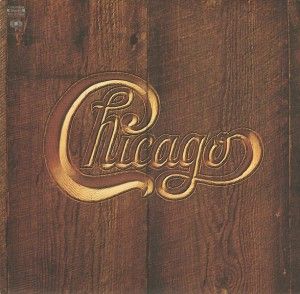
The Brass Are Key on Chicago V

Hot Stamper Pressings of the Music of Chicago Available Now

The brass on any Chicago album has to have just the right amount of transient bite yet still be full-bodied and never blary. In addition, on the best of the best pressings you can really hear the air moving through the horns.

Most copies suffer from dull highs and smeary, compressed brass. This is a sound we cannot abide. The lively copies with real bite to the brass and plenty of ENERGY in the music are the only ones for us. Finding them is not easy but we came across a few that made the grade and are proud to offer them here.

More often than not the brass lacks bite and presence, but these sides had the Chicago horns leaping out of the speakers. What is a Chicago record without great horns? Without that big bold sound you may have something, but it sure ain’t Chicago.

Most pressings don’t reproduce the percussion harmonics, the leading edge transients of the horns, or the big, open space around Peter Cetera’s vocals that we know is there, but a high-res, super-transparent copy like this one brings out all those qualities and more.

One More Sonic Note

We always notice during our Chicago shootouts that the songs on their albums tend to be hit and miss sonically (especially when it comes to the more multi-layered and dynamic tracks).

But on the hotter copies the production missteps don’t seem to be nearly as problematical.

(more…)