Classic Records – Rock, Pop, Vocals, etc.

Labels With Shortcomings – Classic Records – Rock, Pop, Vocals, etc.

A Bad Pressing Tells You… What, Exactly?

Hot Stamper Pressings of the Music of Peter Gabriel Available Now

I wrote this commentary many years ago after a review I spotted online prompted me to crack open one of the Classic Records 200 gram Peter Gabriel titles and play it.

Let’s just say the results were less than pleasing to the ear.

Bernie Grundman had worked his “magic” again. As usual I was at a loss to understand how anyone could find his mastering in any way an improvement over the plain old pressings, even the domestic ones.


[UPDATE 2022: This is a foolish statement on my part, since the domestic pressings are by far the best sounding versions of the album. Live and learn, right?]


The Original Commentary

I had a discussion with a reviewer for an audiophile web magazine concerning his rave review for the Peter Gabriel records that Classic pressed.

I have just now played one, and it’s not as bad as I thought it would be. But of course it’s not very good either.

Not surprisingly, reviewers have a tendency not to notice these things. I’m not exactly sure how these people are qualified to review records when the most obvious tonal balance problems seem to go unnoticed.

The Classic is brighter and less rich.

Like a lot of the records that Bernie Grundman has cut in the modern era, the tonality is off. It is simply too lean.

This is not the right sound for this album.

That’s Bernie for you. After all these years, no amount of mischief he did for Classic — or any other label — surprises me.

A Bad Record Tells You… What?

Which brings up something else that never fails to astonish me. How can an equipment review be trusted when the reviewer uses bad sounding records to evaluate the equipment he is testing? Aren’t we justified in assuming that if a reviewer can’t tell he is listening to a bad record, he probably can’t tell whether the equipment under review is any good either?

Here is a good example of a reviewer raving about a mediocre-at-best pressing in an equipment review.

A bad record tells you nothing about the equipment it is playing on.

Worse, it might complement the faults of the gear and end up sounding tonally correct. If you use So Long So Wrong as a test disc, what are you testing for, the hyped-up vocals or the harmonically-challenged guitars?

(more…)

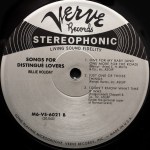
Songs for Distingue Lovers on Classic Records

Sonic Grade: B?

Probably a fairly good jazz vocal album from Classic Records.

Back in the day we noted that: “This is one of the best Billie Holiday records around” and we stand by that statement, at least until another copy of the Classic comes our way and we have a chance to play it.

By the way, we have never had a Hot Stamper pressing of the album on the site. We simply cannot find enough clean copies with which to do a shootout!

Not sure we’ve ever found one that played quietly and sounded good.

For thirty bucks the price of this Heavy Vinyl pressing has to be seen as a bargain.

But…

Who the hell thought that the label below was better looking than the ones Verve used?

Classic Records was run by some of the most clueless audiophiles there ever were, and this label is a good example of a pitifully poor choice they made in the design of the labelling. (The Shaded Dog “shading” was all wrong but hey, it didn’t seem to bother too many people.)

A self-inflicted wound, and for no reason. Nobody could figure out how to make an authentic looking vintage Verve stereo label? I’m pretty sure it’s been done.

What was the point of this one? It’s ugly and modern. Who wants to collect classic albums with ugly modern labels?

The shiny jackets are bad enough. Now they have to ruin the labels too?

(more…)

Bridge Over Troubled Water – Classic Records Reviewed

More of the Music of Simon and Garfunkel

Reviews and Commentaries for Bridge Over Troubled Water

Sonic Grade: C

What’s an easy way to recognize the better pressings?

They’re the ones with textured strings in the orchestral arrangements.

The string tone on the average copy is hard and steely.

The Classic 200 gram pressing suffers from a case of steely strings. When the strings are blasting away at the end of the title song, you want to be able to hear the texture without the strings sounding shrill and edgy.

This is no mean feat, for the record or the stereo.

Here are some of the other records we’ve discovered are good for testing string tone and texture.

(more…)

Why Own a Turntable if You’re Going to Play Mediocrities Like These?

Hot Stamper Pressings of Aja Available Now

Hot Stamper Pressings of Blue Available Now

Hot Stamper Pressings of Aqualung Available Now

This commentary was posted in 2007 and amended later with the statement that we would no longer be ordering new Heavy Vinyl titles. The thrill was gone and there was no sign of it ever coming back. It took a while to sell off the inventory, but by 2011 we had eliminated them completely from our site.

As it happens, 2007 turned out to be a milestone year for us here at Better Records.

If you bought any Heavy Vinyl pressing from us, ever, please accept our apologies.

Now is the perfect time to find out just how much a Hot Stamper pressing can do for your musical enjoyment. (You might consider taking the enthusiastic advice of these customers regarding that subject.)


Three of the Top Five sellers this week (8/22/07) at Acoustic Sounds are records we found hard to like: Aja, Aqualung and Blue. Can you really defend the expense and hassle of analog LP playback with records that sound as mediocre as the Rhino pressing of Blue?

Why own a turntable if you’re going to play records like these? I have boxes of CDs that sound more musically involving and I don’t even bother to play those. Why would I take the time to throw on some 180 gram record that sounds worse than a good CD?

If I ever found myself in the position of having to sell mediocrities like the ones you see pictured in order to make a living, I’d be looking for another line of work. The vast majority of these newly-remastered pressings are just not very good.

We Aren’t Walmart and We Definitely Don’t Want to Be Walmart

We leave that distinction to our colleagues at Acoustic Sounds, Elusive Disc and Music Direct (Walmart, Target and Sears perhaps?)

[Yes, Sears existed when I wrote this screed! Time flies.]

They sell anything and everything that some hapless audiophile might wander onto their site and find momentarily attractive, like shiny trinkets dangling from a tree, glittering as brightly as fool’s gold. They know their market and they know where the real money is.

(Hint: it ain’t records, dear reader, it’s equipment. If you haven’t seen one of their thick full-color catalogs lately, count how many pages of equipment you have to wade through at the front before you get to the “recommended recordings.”)


UPDATE

I would amend that to say that it probably is records now. Since 2007 they have become much more popular and profitable. Apparently you can cut the same title 16 different times and audiophiles will just keep buying it. Look at what is happening with reissues of The Beatles’ catalog.


(more…)

Who’s Next – An Overview

More of the Music of The Who

The following was written in the early 2000s. Some of the commentary has been added or modified.


Who’s Next has been remastered for audiophiles many, many times, more often than not quite badly in our opinion.

To be fair, we should point out that our opinion has changed quite a few times over the course of the last twenty years.

This then is our story.

MCA MASTERPHILE

Back in the days when I was foolishly in the thrall of half-speed mastered audiophile pressings, I thought that the MCA Masterphile was king. That was probably the mid to late ’80s.

BRITISH TRACK LABEL ORIGINALS

By the early 90s I had discovered how good the Black Label Original British Track pressings could be and started preferring those. A bit murky but Tubey Magical, full and rich, precisely the way a good British Rock recording (Faces, Jethro Tull) should be.

JAPANESE AND GERMAN

Of course by then I had played numerous Japanese and German pressings, none of which sounded right to my ears, then or now. The Japanese did what they like to do to most of the records they master, from whatever dub tapes are sent to them: they brighten up the sound.

When I had much darker, less-revealing system, the Japanese pressing did better than most of the other pressings I played.

But it was wrong, and the better my stereo got the more wrong it sounded. This process comes under the general heading of audio progress 

MCA HEAVY VINYL

In 1995 the MCA Heavy Vinyl version came out, mastered by Kevin Gray. I quite liked it at the time but no longer do; it’s brightened up, opaque, airless and much of the fine detail of the recording is missing, all due to the crude cutting system Kevin employed at the time. It’s also notoriously badly pressed, resulting in stitches in the vinyl that are audible on practically every copy. (more…)

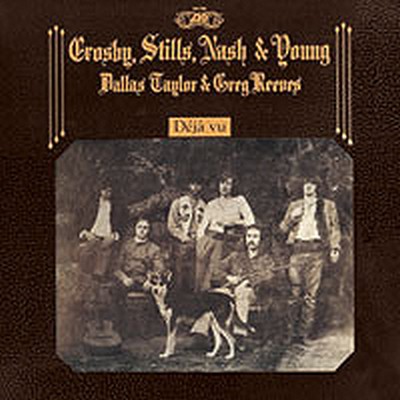
Deja Vu – This Classic Records Knockoff Is Not the Answer, But We Have One

Letters and Commentaries for Deja Vu

More CrosbyMore Stills / More Nash / More Young

An audiophile hall of shame pressing and another Classic Records rock LP badly mastered for the benefit of audiophiles looking for easy answers and quick fixes.

If you bought the Classic Record Heavy Vinyl pressing of Deja Vu, I hope you know how badly Classic Records ripped you off.

If you feel disrespected, you should. They took your money and gave you nothing of real value for it. The right CD (not the current one, that’s for damn sure) is dramatically better sounding than their vinyl reissue.

On the other hand, if you’re not too picky about sound quality and just want to play new records, perhaps because old records are hard to find and often noisy, then fine, the Classic should get that job done for you.

We of course want nothing to do with records like those remastered by Classic Records.

We only want to play good sounding records, and most Classic Records, including this title, are definitely not good sounding, not by our standards anyway.

Records Are in a Sorry State – Here’s What You Can Do About It

It’s a sad state that we currently find ourselves in, but is it really any different than it used to be? Audiophiles used to like half-speeds, they used to like Japanese pressings, they used to like direct to disc recordings with questionable sound and even more questionable music.

Now they like SACDs, Heavy Vinyl and 45s. If you ask me it’s the same old wine in a different bottle.

(more…)

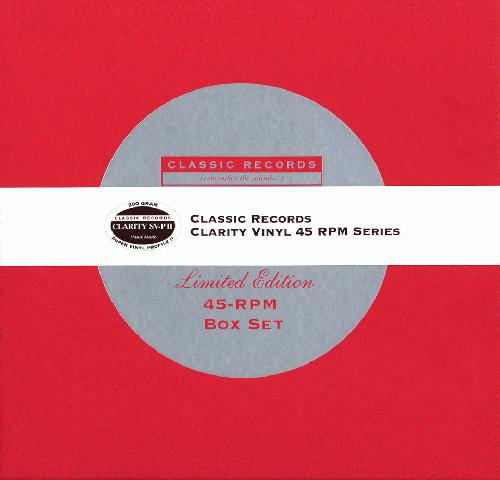
Classic Records Stops Making Bad Records But Acoustic Sounds Picks Up Where They Left Off

classicclaritybox

More Heavy Vinyl Commentaries 

Dateline 8/29/2010

Classic Records has officially gone under. They will not be missed, not by us anyway, except for this reason: to borrow a line from Richard Nixon, I guess we won’t have Classic Records to kick around anymore. We’ve been beating that dead horse since the day they started back in 1994. There are scores of commentaries on the site about their awful records for those who care to read about such things.

The last review we wrote for them, for their remastered Scheherazade, is one in which we awarded the Classic a sonic grade of F.

TAS Superdisc List to this day? Of course it is!

With every improvement we’ve made to our system over the years, their records have somehow managed to sound progressively worse. (This is pretty much true for all Heavy Vinyl pressings, another good reason for our decision to stop carrying them in 2011.) That ought to tell you something.

Better audio stops hiding and starts revealing the shortcomings of bad records.

At the same time, and much more importantly, better audio reveals more and more of the strengths and beauty of good records.

Which of course begs the question of what actually is a good record — what it is that makes one record good and another bad — but luckily for you dear reader, you are actually on a site that has much to say about those very issues.

Every Hot Stamper commentary is fundamentally about the specific attributes that make one copy of a given album better than another, and how much of them you’re getting for your money with the unique pressing on offer.

There are scores of commentaries on the site about the huge improvements in audio available to the discerning (and well-healed) audiophile as you’ve no doubt read by now. It’s the reason Hot Stampers can and do sound dramatically better than their Heavy Vinyl or Audiophile counterparts: because your stereo is good enough to show you the difference.

With an old school system you will continue to be fooled by bad records, just as I and all my audio buds were fooled all those years ago.

Audio has improved immensely in that time. If you’re still playing Heavy Vinyl and Audiophile pressings, there’s a world of sound you’re missing. We would love to help you find it.

One Hot Stamper just might be all it takes to get the ball rolling.

classic_records_acoustic

Oh no, someone is going to keep pressing Classic’s shitty records! And selling them!

And wouldn’t you know it’s the same guys who’ve been making bad records since before Classic got into the game.

I advised them to dump them in a landfill, but they apparently had other ideas.

So now it’s one stop shopping for all the bad sounding Heavy Vinyl you might be foolish enough to buy. Or perhaps you were misguided by the ridiculous comments and reviews pedaled on audiophile websites extolling the virtues of these pressings.

Don’t believe a word of it. You can count the good sounding records put out by these guys on one hand.  I honestly cannot think of one I would have in my house, to tell you the truth.

(more…)
I’ve Got the World on a String on Classic Records Vinyl

More of the Music of Louis Armstrong

More Pop and Jazz Vocals

Sonic Grade: B (probably)

I first heard this album on the wonderful Classic Records pressing from the ’90s. I remember really enjoying the music and liking the sound of Bernie Grundman’s remaster very much. We reviewed and recommended the album (along with Under the Stars) in our old paper catalogs.

I have no idea what I would think of their version these days — well, to be honest I do have some idea of what I would think of it — but their version is at least good enough to make the case that Russell Garcia’s orchestral arrangements and Louis Armstrong’s sublime skill at interpreting The Great American Songbook are a match made in heaven.


Further Reading

(more…)

Bernie Grundman’s Work for Classic Records in Four Words

Hot Stamper Pressings of Mercury Recordings Available Now

Hard, sour, colored and crude.

Oh, and airless. Make that five words.

It’s been quite a while since I played the Classic pressing of Balalaika Favorites, but I remember it as unpleasantly hard and sour.

Many of the later Mercury reissues — some pressed by Columbia, some not — had that sound, so I was already familiar with it when their pressing came out in 1998 as part of the just-plain-awful Mercury series they released.

I suspect I would hear it that way today. Bernie Grundman could cut the bass, the dynamics, and the energy onto the record.

Everything else was worse 99% of the time.

The fast transients of the plucked strings of the Balalaikas were way beyond the ability of his colored and crude cutting system.

In addition, harmonic extension and midrange delicacy were qualities that practically no Classic Records Heavy Vinyl pressing could claim to have.

Or, to be precise, they claimed to have them, and whether audiophiles really believed they did or not, Classic Records sure fooled a lot of them, along with the reviewers that vomited out the facile and reductive superficialities that pass these days for audio journalism.

The better your stereo gets, the worse those records sound, and they continue to fall further and further behind with each passing year.

(more…)

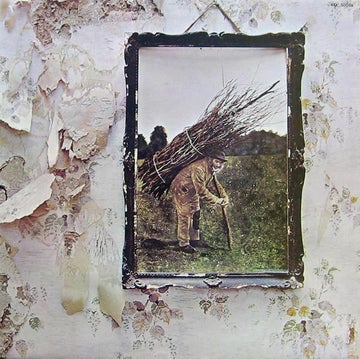
Another Bright and Harsh Led Zeppelin Title from Classic Records

Hot Stamper Pressings of the Music of Led Zeppelin Available Now

Ridiculously bright and harsh, sounding nothing like the good pressings we sell.

We are proud to say this was one of the Classic Records Led Zeppelin releases that we never carried back when we were selling Heavy Vinyl (along with II and Houses, both of which stink to high heaven).

You will find very few critics of the Classic Zep LPs outside of those who work for Better Records, and even we used to recommend three of the Zep titles on Classic: Led Zeppelin I, IV and Presence.

Wrong on all counts. Live and learn, right?

Since then, we’ve made it a point to create debunking commentaries for some of the Classic Zeps, a public service of Better Records. We don’t actually like any of them now, although the first album is by far the best of the bunch.

Is this pressing of III the worst version of the album ever made?

There may be too much competition to make that claim – in our experience, most pressings of Zep records tend to be poorly mastered, barely hinting at how well recorded their albums really are — but it is certainly a record no audiophile should want anything to do with.

Here are a few commentaries you may care to read about Bernie Grundman‘s work as a mastering engineer, good and bad.