 Hot Stamper Pressings of Contemporary Jazz Available Now
UPDATE 2025
The OJC pressings we played recently had much better sound than we described back in 2019 when our original highly-critical review was posted.
We told our customers to skip the OJC, but that turned out to bad advice as the right OJC pressings can be awesome sounding.
Seems we were dead wrong about this pressing. Live and learn is our motto, for this very reason.
And we don’t mind admitting to past mistakes, as that is a clear sign of progress.
Reviews R Us
We’ve easily played more than a hundred OJC pressings, and here are reviews for some of the ones we’ve auditioned to date:
- These are potentially good sounding OJC pressings
- These are more than likely not very good sounding OJC pressings
To be fair, we may have only had one copy of some of the OJC pressings we reviewed. Perhaps another copy would have sounded better, but we are so familiar with the sonic shortcomings of this series that one bad sounding copy was all we cared to bother with.
It would be hard to justify the time and expense of chasing after records that are unlikely to be much better than the copy we already know to have bad sound. That’s just the reality of the record business. There are so many good records that need auditioning, why bother with the second- and third-rate ones? (We’ve actually played less than 1% of all the newer Heavy Vinyl reissues for the same reason.)


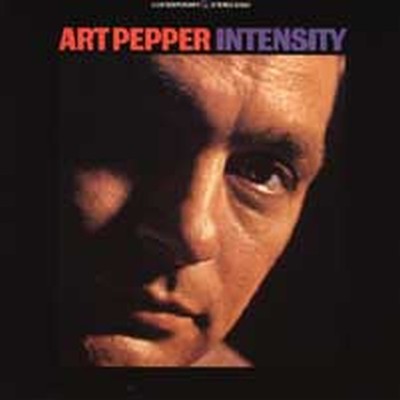


 Hot Stamper Pressings of the Music of Art Pepper Available Now