Testing Sibilance

Dream Weaver – A Good Test Record for Gritty, Grainy Sound

More Records that Are Good for Testing Grit and Grain

Most pressings of this album tend to err in one of two ways: either they’re a little bright and get hard and gritty in the upper mids, or they’re wrong in the opposite direction, with sound that is smeary and dull.

Our best copies get the balance right — plenty of texture on the keyboards and drums, with vocals that still have presence and breathiness — and not too much grit.

An all-keyboard pop record like this was a rarity at the time. The only other instruments besides drums (and one track with guitar) are keyboards. Every song is layered with multi-tracked clavinets, organs, and Moogs — it was a remarkable feat in 1975 to create an album with nothing but keys.

Listen to the title track, the most dynamic song on the record, and you will hear just how well all of those stacked keyboards and synths work together. (Steve Winwood’s Back in the High Life borrowed a page or two from Gary’s solo debut here.)


  • If you’re a Gary Wright fan, or perhaps a fan of mid-’70s synth-pop, this title, a personal favorite of mine from 1975, is surely a Must Own.
  • In our opinion, Dream Weaver is his best sounding album, and probably the only Gary Wright record you’ll ever need. Click on this link to see more titles we like to call one and done.
  • The sound may be too heavily processed for some, making it fairly difficult to reproduce, but the best sounding pressings, played at good, loud levels on big dynamic speakers in a large, heavily-treated room, are a fun listen. They sound just fine to us.
  • 1975 was a good year for music on vinyl — here are some excellent pressings of well-recorded albums available for purchase now.
(more…)

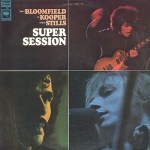
Super Session Is the Poster Boy for Gritty, Spitty Vocals

Hot Stamper Pressings of the Music of Al Kooper Available Now

Man’s Temptation, track 3 on side one, has got some seriously bright EQ happening (reminiscent of the first BS&T album, Child Is Father to the Man), so if that song even sounds tolerable in the midrange you are doing better than expected.

Bright, gritty, spitty, edgy, harsh, upper-midrangy vocals can be a real problem on this album.

The Red Labels tend to have more problems of this kind, but plenty of original 360 pressings are gritty and bright too. Let’s face it, if the vocals are wrong, the music on this album — like any rock and pop album — pretty much falls apart.

Most copies are far too bright and phony sounding to turn up loud; the distortion and grit are just too much at higher volumes.

On the better copies, the ones with more correct tonality and an overall freedom from distortion, you can crank the volume and let Super Session rock.

Testing with Super Session

This record, along with the others linked below, is good for testing the following qualities.

  1. Grit and grain
  2. Midrange tonality
  3. Sibilance (it’s a bitch) 
  4. Upper midrange brightness

Playing so many records day in and day out means that we wear out our Dynavector 17DX cartridges often, three or four times a year.

Which requires us to regularly mount a new cartridge in our Triplanar arm.

Once a new cartridge is broken in (50 hours minimum), we then proceed to carry out the fine setup work required to get it sounding its best. We do that by adjusting the VTA, azimuth and tracking weight for maximum fidelity using recordings we have been playing for decades and think we know well.

(more…)

Listening in Depth to So

Hot Stamper Pressings of So Available Now

With a digital recording such as this, the margin for mastering error is very slim. Most copies just aren’t worth the vinyl they’re pressed on. They can sound harsh, gritty, grainy, edgy, and thin. We love this music and we know there are great copies out there, so we keep picking these up. More often than not, we’re left cold.

This is a digital recording, and most of the time it is BRIGHT, SPITTY and GRAINY like a typical digital recording, which plays right into our prejudices. After hearing a bad copy, what audiophile wouldn’t conclude that all copies will have these bad qualities? After all, it’s digital. It can’t be fixed simply by putting it on vinyl.

Ah, but that’s where the logic breaks down.

Proper mastering can ameliorate many if not most of a recording’s sins. When we say Hot Stampers, we are talking about high quality mastering doing exactly that.

Side One

Red Rain

Peter Gabriel’s soaring vocals here are a great test for transparency, especially during the last minute of the song when they really become more intimate, present, delicate and breathy.

Sledgehammer

Not unlike “Red Rain,” the flute intro here is a solid test for transparency and texture. But this moment passes quickly to make room for the huge horns that fire up the biggest hit on this album. The trumpets should have weight, dynamics, and texture. If they are smeary, blary or lifeless, you probably are listening to the typically compressed, low-resolution copy. (Side note: listen for the chatter before the singing begins – is someone talking on the phone? Last minute instructions from Peter? If you can figure out what they are saying we’ll give you this record for free!)

Don’t be alarmed at the veiled sound of the first two bars of vocals – it’s just the recording talking. When the verse comes in full swing, you’ll probably notice a little bit of spit, which is unavoidable here, especially on the super-sibilant “steam train” or “blue sky back”. However, the good copies make this problem non-offensive, and actually beneficial to the life of the music. The spit should not sound gritty or grainy; if it has a somewhat silky quality that’s a very good sign. But it has to be there if your copy is to have any life or presence in the midrange.

The backup singers that come in at the end of the first chorus should be subtle yet still present and clear. Also, pay attention to the reintroduction of the horns at the beginning of the second verse. The dynamic here is extremely important. The last note of their phrases should really swell up and make you appreciate what those guys are doing. (Maybe it’s Peter talking in the background, reminding the horn players not to forget to do that little dynamic trick.) (more…)

Listening in Depth to Sweet Baby James

Hot Stamper Pressings of the Music of James Taylor Available Now

Be sure to turn up the volume good and loud and have your system fully warmed up and tweaked to perfection.

You’re really going to hear something if you have a Hot Stamper pressing of this album.

Side One

Sweet Baby James
Lo and Behold
Sunny Skies

James’ voice and the acoustic guitars should be warm, sweet, and surrounded by ambience. On a good copy, one that gets this song right, it’s pure milk and honey.

Steamroller

A big production number with rockin’ guitars and big brass. Some copies will be too bright and aggressive when the horns come in, and the majority of those that aren’t will be too dull on the other tracks. Only a copy with superb tonal balance will sound correct for both the rockers and the ballads.

Country Road
Oh Susanna

For some reason this song is too loud relative to the others on side one, so if you want it to sound right we recommend you bring the volume down a notch or two. (Those of you with a remote on your preamp finally have a good use for it.)

(more…)

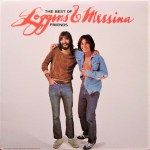
What to Listen For on The Best of Friends

Hot Stamper Pressings of the Music of Loggins and Messina Available Now

The best news we have to report concerning this compilation is that it does not sound at all like a compilation, and by that we mean that the best copies don’t sound “dubby”, flat, small or compressed. The best copies, in fact, ROCK, with all the energy that the band is capable of.

You may have noticed that we do very few Greatest Hits albums here at Better Records, for the simple reason that most greatest hits albums don’t sound very good. This is one of the few exceptions to that rule that we’ve come across in our record playing travels over the years.

The best originals may be better, but the difference between our Hot Stampers of this album and whatever original pressing you own should be pronounced, in our favor of course.

What to listen for on side one.

Angry Eyes

If you have good weight on your side one, the place you can hear it most clearly is in the toms on Angry Eyes, the first track. They are big and solid and really punch through the mix, staying in the lower part of the soundfield below the vocals.

The lightweight pressings make the toms sound anemic. The copies with poorly defined bass will make the toms sound fat and blobby.

No two copies of the record should have the toms sounding the same; they don’t on our system and they shouldn’t on yours.

What to listen for on side two.

Danny’s Song

You want Kenny Loggins to be front and center. Ideally his voice will be both sweet and breathy (and heartfelt of course). If your copy has its high end intact, and is cut clean, the sibilance from the master tape will be much less gritty on your side two than it is on other copies.

This is where you can hear how present, tonally correct and distortion-free your copy is.

(more…)

Listening in Depth to Parsley, Sage, Rosemary, and Thyme

More of the Music of Simon and Garfunkel

Presenting another entry in our extensive listening in depth series with advice on what to listen for as you critically evaluate your copy of Parsley, Sage, Rosemary, and Thyme.

Here are some albums currently on our site with similar track by track breakdowns.

Side One

Scarborough Fair/Canticle

Listen carefully to the voices on this track, one of our favorites to test with. On the best copies they sound exceptionally delicate yet full-bodied.

Patterns

The percussion on this track is a great test for smear, a problem that plagues most pressings to one degree or another. On the better copies you’ll distinctly hear the sound of the drummer’s hands hitting the skins of the bongos, as well as lots of ambience and echo around the drums.

Note also that every stereo copy we’ve ever played spits at least a little on this song.

(more…)

Listening in Depth to Bookends

More of the Music of Simon and Garfunkel

Musically side two is one of the strongest in the entire Simon and Garfunkel oeuvre (if you’ll pardon my French). Each of the five songs could hold its own as a potential hit on the radio, and there is no filler to be found anywhere. How many albums from 1968 can make that claim?

The estimable Roy Halee handled the engineering duties. Not the most ‘natural” sounding record he ever made — the processing is heavy handed on a number of tracks — but that’s clearly not what neither he nor the duo were going for.

If you want natural, Parsley, Sage, Rosemary and Thyme has what you are looking for. That said, as of 2022 both are Top 100 Titles.

The three of them would obviously take their sound much farther in that direction with the Grammy winning Bridge Over Troubled Water from 1970.

The bigger production songs on this album have a tendency to get congested on even the best pressings, which is not uncommon for four track recordings from the 60s. Those of you with properly set up high-dollar front ends should have less of a problem than some. $3000 cartridges can usually deal with this kind of complex information better than $300 ones.

But not always. Expensive does not always mean better, since painstaking and exacting setup is so essential to proper playback.

The Wrecking Crew provided top quality backup, with Hal Blaine on drums and percussion, Joe Osborn on bass and Larry Knechtel on piano and keyboards.


Side One

Bookends Theme
Save the Life of My Child

I used to think this track would never sound good enough to use as an evaluation track. It’s a huge production that I’d found practically impossible to get to sound right on even the best original copies of the album. Even as recently as ten years ago I had basically given up trying.

Thankfully things have changed. Nowadays, with great copies at our disposal and a system that is really cooking, virtually all of the harmonic distortion in the big chorus near the opening disappears. It takes a very special pressing and a very special stereo to play this song.

(more…)

Two Key Tracks for Testing Sibilance and Transparency on Tea for the Tillerman

Hot Stamper Pressings of the Music of Cat Stevens Available Now

The song Father and Son can be a bit sibilant. On the best copies the sibilance is under control.

The best copies have the least amount and make the spit they do have much less gritty and objectionable.

We’ve known for decades how good a test sibilance is for tables, cartridges and arms. Sibilance is a bitch. The best pressings, with the most extension up top and the least amount of aggressive grit and grain mixed into the music, played using the highest quality, most carefully dialed-in front ends, will keep sibilance to an acceptable minimum.

VTA, tracking weight, azimuth and anti-skate adjustments are critical to reducing the amount and the quality of the spit in your records.

Another track I like to play on side two is Into White. With this song, you hear into the music on the best copies as if you were seeing the live musicians before you. The violinist is also a key element. He’s very far back in the studio. When he’s back where he should be, but the sound of the wood of his violin and the rosin on the strings is still clearly audible, without any brightness or edginess to artificially create those details, you know you are hearing the real thing.

(more…)

You’re Gonna Get it – Spitty and Gritty? Too Lean and Clean?

More of the Music of Tom Petty

Notes from an early shootout. Scroll down to the bottom for our advice on what to look for when buying a copy of the album.

Big and punchy with great energy, this copy really rocks.

And rockin’ is what this album is all about — this is fun, high-energy music, but it takes a Hot Stamper copy like this to bring it life.

This is the classic first album, with two of their best songs: Breakdown and American Girl. It’s straight ahead rock and roll, with sonics to match.

The sound is a little spitty and transistory as a rule. But when you find a copy with Hot Stampers, the elements start to work together, and the good far outweighs the bad. If somebody tried to EQ this album differently, they’d probably end up taking away some of the Raw Rock Energy.

(By the way, American Girl never sounds all that great. That song needs more whomp! No copy had quite what we were looking on that song, but the Hot Stamper copies were at very least lively, musical, and not overly transistory.)

Breakdown is KILLER!

I mentioned above that Breakdown is one of the best songs on the album; fortunately, it’s also probably the best sounding song. On this great side one, it’s rich and full-bodied with real energy and presence. The overall sound is open and transparent, with more depth to the soundfield than we heard elsewhere. We were surprised how much these guys could sound like Steely Dan — just listen to the intro!

On many copies we played, Petty’s vocals were a bit lean for our tastes, and the guitars were a bit too clean — both of those elements really robbed the music of its power. Here, the voice is fuller, and you can really hear the meaty texture to the electric guitar; you can tell these guys were really rockin’ out! We didn’t hear sound this lively on any other side one we played, which made this our shootout champion at A+++.

(more…)

Learning the Record, Any Record

More of the Music of the Traveling Wilburys

Many of the pressings we played of Volume One suffered from too much compression and a phony hi-fi-ish quality on the vocals. We knew there had to be better sounding copies out there somewhere, so we kept dropping the needle on every pressing we could get our hands on until we found one. Here is how we described a killer copy we ran into during that process.

We heard a lot of copies with a spitty, gritty top end, but this one is smooth like butter.

Side two is nearly as good but doesn’t have quiet the same energy factor. It’s still dramatically better than most copies out there.

Now that we’ve discovered these Hot Stampers, the sound is finally where we want it to be. Until this week, we were convinced that these songs sounded better on the radio. (That’s what tons of compression and FM bass boost will do for you.)

Learning the Record

For our recent shootout we had at our disposal a variety of pressings we thought would have the potential for Hot Stamper sound. We cleaned them carefully, then unplugged everything in the house we could, warmed up the system, Talisman’d it, found the right VTA for our Triplanar arm (by ear of course) and proceeded to spend the next hour or so playing copy after copy on side one, after which we repeated the process for side two.

(more…)