strong-weak

Here we detail the strengths and weaknesses of various pressings we’ve played in shootouts.

Playing multiple pressings of the same recording against each other under controlled conditions is the only practical way to identify the important differences discussed in these listings.

Bruch in Living Stereo – Two Vastly Different Sides

Hot Stamper Pressings of Recordings Featuring the Violin

This listing is at least ten years old, perhaps even fifteen.

WHITE HOT Stamper sound for the Bruch side of this original RCA Shaded Dog, one of the best Heifetz concerto titles of all time. (I’m trying to think of a Heifetz title that sounds better and coming up blank.)

[UPDATE: As of 2023 we know of a couple so stay tuned.]

This was our shootout winner on side two, beating all comers, earning our highest grade, the full Three Pluses (our blue ribbon, gold medal, and best in show all wrapped into one). The sound is nothing short of DEMO DISC QUALITY.

If you want to demonstrate the magic of Living Stereo recordings, jump right to the second movement of the Bruch. The sonority of the massed strings is to die for. When Heifetz enters, the immediacy of his violin further adds to the transcendental quality of the experience. Sonically and musically it doesn’t get much better than this, on Living Stereo or anywhere else.

The violin is captured beautifully on side two. More importantly there is a lovely lyricism in Heifetz’s playing which suits Bruch’s Romantic work perfectly. I know of no better performance.

The performance of the Vieuxtemps Concerto No. 5 is also wonderful, but the sound is not. Want proof that two sides of the same record can have vastly different sound? Here it is. Note how oversized the violin on side one is, how smeary the orchestra, how little texture there is to anything in the soundfield. This side one is no Hot Stamper.

And yet somehow side two won our shootout with the best sound we have ever heard for the Bruch. Go figure.

More records for which we’ve detailed the strengths and weaknesses of a specific shootout copy.

(more…)

What Causes Lifeless and Pointless Sound?

More of the Music of Chuck Mangione

We did a shootout for this album in 2012 and had a hard time finding much energy in the music. That is, until we stumbled upon a few good copies, which showed us just how well recorded the album was and how enjoyable the music could be on the right pressing.

It’s shocking just how lifeless and pointless Feels So Good can sound on some copies.

After only a few minutes the band seems to be having a hard time staying awake.

But the same performance is captured on every pressing, so how can the band sound so inspired here and so uninspired elsewhere?

It’s one of the mysteries of recorded media, one which still takes us by surprise on a regular basis, every week in fact.

This idea that most pressings do a poor job of communicating the music still has not seeped into the consciousness of the audiophile public. Here at Better Records, we’ve been diligently working to change that for close to twenty years, one Hot Stamper at a time.

The copies that are present, clear, open, transparent and energetic, with a solid rhythmic line driving the music, are a hundred times more enjoyable than the typical pressing that can be found practically unplayed (gee, I wonder why?) sitting in most record collections.

By the way, if you know Feels So Good only through the radio, you may be surprised to find that it’s close to ten minutes long, not the three minutes you’re familiar with. The band stretches out quite a bit and the solos are fairly inventive, as AMG noted.

This very side two has that problem to a fair degree; it’s a bit too murky and veiled to be as much fun as side one. But so few copies were any good at all that it still earned an A+ grade. If you turn it up it helps it quite a bit. Still, it lack extension high and low compared to this side one. (more…)

Borodin / Symphonies 2 & 3 – Side Two Had Some Common Sonic Problems

More of the music of Alexander Borodin (1833-1887)
This shootout, conducted back in 2012, was our first for the album.

This White Hot Stamper pressing has DEMO QUALITY sound of the HIGHEST ORDER on fairly quiet vinyl no less. We’ve long considered the album one of the greatest of all the Decca / London recordings, but this pressing takes the sound beyond even our high expectations.

There is simply nothing in the sound to fault. Where is the slightly dry and midrangy quality in the upper strings that so many Londons from this era suffer from? It’s nowhere to be found on this side one. (If you have a rich sounding cartridge, perhaps with that little dip in the upper midrange that so many moving coils have these days, you will not notice this tonality issue nearly as much as we do.)

And it’s not as though our stereo was hiding that quality, because some of it creeps into the sound on this very side two (which is why it earned a slightly lower grade of A++).

Big, rich and dynamic, this is the sound of LIVE MUSIC, and it can be yours, to enjoy for years to come — if you’ve got the stereo to play it and the time to listen to it.

The powerful lower strings and brass are gorgeous. Ansermet and the Suisse Romande get that sound better than any performers I know. You will see my raves on record after record of theirs produced during this era. No doubt the world renowned Victoria Hall they recorded in is key. One can assume Decca engineers use similar techniques for their recordings regardless of the artists involved. The only real variable should be the hall.

Ansermet’s recordings with the Suisse Romande exhibit a richness in the lower registers that is unique in my experience. His Pictures At Exhibition has phenomenally powerful brass, the best I’ve ever heard. The same is true for his Night On Bald Mountain. Neither performance does much for me — they’re both too slow — but the sound is out of this world. Like it is here.

Side One

A+++, big, rich and lively, yet clear, transparent and spacious. The brass is shockingly dynamic and powerful. I defy you to find better brass on a record than can be found on this side one. I can’t recall hearing it, and we play the best sounding Golden Age classical recordings by the score week after week.

Side Two

A++, a bit wider, with lovely sheen to the strings, but tonally a bit thinner and drier than it should be. Still, awfully good in comparison to the better classical records we put up every week, just not competitive with this amazing side one.

If you’re looking for Demonstration Quality Sound, look no further. This side one has it in spades.

Heavy Vinyl

Speakers Corner did a heavy vinyl reissue of this title, which we auditioned and used to sell. It’s reasonably good, but like all reissues it lacks the weight found on this original. I remember it being a little flat and bright. I haven’t played it in years so I could easily be wrong.

(more…)

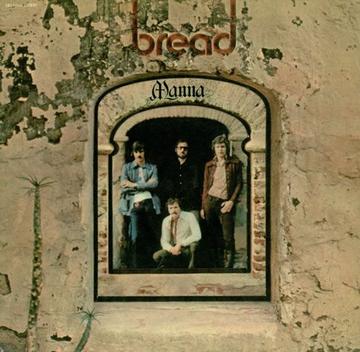
Manna – Super Hot Versus White Hot

Hot Stamper Pressings of Great Sounding Pop Albums Available Now

Back in the mid- to late-2000s, we felt we owed our Hot Stamper customers a more complete picture of the good and bad qualities we heard in our shootout for practically every record we played.

The idea was that the buyer could listen along for what the record was doing well and what it might not be doing so well. If you noticed that the top end was a little soft, well, that’s what we might have heard too. We would put that shortcoming, and any others we thought worth mentioning, right there in the listing.

Over the years, in order to avoid having to write every listing from scratch, we streamlined the process and dropped the criticisms.

Below you can see a typical example of an older listing. This is how we used to recognize when a record was Super Hot as opposed to White Hot.

This commentary on the famous recording of The Firebird with Dorati discusses the same issues in more depth.

Side One

A++, with good balance and lots of rockin’ energy. It’s transparent — just listen to how clear the drums are on the first track. It’s a bit dry and doesn’t have all the top end extension of the best, so Super Hot is a fair grade we think.

(more…)

I Left My Heart In San Francisco – Notes from Our First Hot Stamper Circa 2010

More Vintage Hot Stamper Pressings on Columbia

Everything that’s good about All Tube Vocal Recordings from the ’50s and ’60s is precisely what’s good about the sound of this record.

The huge studio the music was recorded in is captured faithfully here. The height, width and depth of the staging are extraordinary. We are not big soundstage guys here at Better Records, but we can’t deny the appeal of the space to be found on a record as good as this.

Transparency and Tubey Magic are key to the sound of the orchestra and you will find both in abundance on these two sides.

Some quick notes:

Side One

Highly resolving; tonally balanced; rich bottom end; breathy vocals; instruments are jumping out of the speakers; dynamic; with a touch of grain and spit on even the best copies.

Killer. Can’t be beat.

Side Two

Might be slightly better, but let’s just leave the grade at Triple Plus.

The first track is not as well recorded as those that follow.

The violin is sweeter on the second track here than on any other side we played.

The whole production is so immediate, so right, and so real it may just take your breath away.

The third track is rich, solid and tonally correct, which pretty much sums up the sound we heard on the best copies of the album.

Albums such as this live and die by the quality of their vocal reproduction. On this record Mr. Tony Bennett himself will appear to be standing right in your listening room, along with the 38 other musicians from the session (actually they’re probably sitting).

The space of your stereo room will seem to expand in all directions in order to accommodate them, an illusion of course, but nevertheless a remarkably convincing one.

The Said and the Unsaid – The Firebird on Mercury

Hot Stamper Pressings of the Music of Igor Stravinsky Available Now

For our shootout years ago of The Firebird we had three minty, potentially hot copies of the Mercury with Dorati, as well as our noisy ref. (We have a noisy reference copy for just about every major title now. We have been doing these shootouts for a very long time. After thirty years in the record business we have accumulated a World Class collection of great sounding records that are just too noisy to sell.)


UPDATE 2024 

This is no longer true. Our customers seem to be able to put up with surface noise on the records we offer if the price is low enough. Not actually low, just low enough. We have a section for records with condition issues, and there are 175 entries in it as of today, which turns out to be more than a quarter of all the Hot Stamper pressings on the site as a matter of fact.


We had one FR pressing and two of the later pressings with the lighter label, the ones that most often come with Philips M2 stampers. This is how we described the winner:

So clear and ALIVE. Transparent, with huge hall space extending wall to wall and floor to ceiling. Zero compression.

Lifelike, immediate, front row center sound like few records you have ever heard.

Rich, sweet strings, especially for a Mercury. This side really gets quiet in places, a sure sign that all the dynamics of the master tape were protected in the mastering of this copy.

What we didn’t say — and what we never say in the listings — is what the second tier copies didn’t do as well as the shootout winner.

We used to. When you read the older entries, most of the time they mention the shortcomings that caused one side or another to be downgraded by some amount, usually something like a half to a full plus.

Not all the top end, not all the bass, not as present, slightly smeary, slightly congested — the list of potential faults for any given pressing is long indeed. These are all the problems we listen for and it’s the rare copy that doesn’t suffer from one or more of them.

We decided years ago that it was better just to let you hear the two sides of the record for yourself and make your own judgments about the sound, rather than make clear to you what areas we felt needed improvement.

Consider this example. If on our system the bass was lacking compared to the very best, perhaps on your system the bass was fine, not an issue, good enough. Without the top copy to compare yours to, how would you know how much better the bass could possibly be?

A classic case of “compared to what?

Shootouts are the only way to answer that question, which, as we never tire of saying, is THE most important question in all of audio. This is why we do shootouts, and why you must do them too, if owning the highest quality pressings is important to you.

Click on the following link to see more records for which we’ve detailed the strengths and weaknesses of a specific copy.

What We Heard on The Firebird

With all that in mind, only the Triple Plus (A+++) copy, as described above, did everything right.

There were two Double Plus (A++) copies, and each of them fell short in different ways.

(more…)

Pros, Cons and Celebrating a Milestone of Audio Progress

More of the music of Jules Massenet

About ten years ago we reviewed a copy of the album that had a sub-optimal side two, a side two that suffered from screechy string tone.

Since that time we’ve made a number of improvements to our cleaning regimen and playback system, and the result has been that our last couple of shootouts went off without a hitch, showing us string tone that was virtually free of screechiness.

(The Greensleeves reissues never had much of a screechy strings problem as they tended to be mastered on the smooth side. They are more forgiving of second-rate playback in that respect, but they can also never win shootouts with that overly smooth sound.) [1]

Problem solved! The records were fine, we just couldn’t play them back then as well as we can now.

In 2012, twelve years ago, I had been selling records to audiophiles professionally for 25 years. I had owned a State of the Art system for 37 years.

But I knew I still had plenty to learn, and I kept at it.

After a decade’s worth of tweaking and tuning, the strings of this recording started to sound the way Stuart Eltham and his fellow engineers undoubtedly wanted them to.

This is how you chart your audio progress, by challenging yourself with difficult to reproduce recordings and building on the improvements you continue to make as the years and decades go by.

If you’re in the market for records that can show you that there is still plenty of work left to be done in this crazy audio hobby we’ve all chosen, we have scores of them on the Better Records site.

If we can get them to sound better, so can you.

(more…)

This Buck Dance Had Highs Like No Other

Hot Stamper Pressings of Living Stereo Recordings Available Now

[This review was probably written in 2010 or thereabouts.]

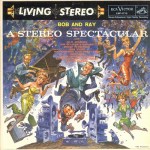
It’s been nearly two years but the waiting is over — we’ve found another copy of the famous Bob and Ray on Living Stereo with DEMONSTRATION QUALITY SOUND! Without a doubt this is the best sound I have ever heard for side one of this album. The sound here is so amazing I’m willing to go out on a limb and make the following recklessly bold statement. Buck Dance on this pressing has the most extended, natural and harmonically correct high frequencies I have ever heard from my speakers (or anyone else’s for that matter). 

And the crazy thing about it is, when played against an actual original pressing of Music for Bang, Baa-room and Harp, this copy, which one would assume is made from a dub, SOUNDS FAR BETTER.

Now of course we don’t have ten copies (or even two copies) of LSP 1866 which would allow us to find one with an even better Buck Dance than the one heard here on Bob and Ray, which means we cannot be definitive in any way about the disparity in sound between the two albums.

We can only judge the records we have in hand, not the ones we might have heard years ago or — even worse — speculate about the sound of records we have not actually played, recently or otherwise.

So we will stick to the facts, and the facts of this side one are that it is ABSOLUTELY AMAZING sounding.

But not perfect. We had three Bob and Rays and one of them was a bit more transparent. One of the them had more deep bass. (That first crack of thunder on side one is an obvious test for bottom end; it can really rattle the room on the right copy.)

So let’s be fair and say that overall this copy earns a grade of A++, having two shortcomings, but that Buck Dance earns a grade of A+++, having NO shortcomings!

(more…)

Bashin’ – A Difficult to Reproduce Jazz Masterpiece

More of the Music of Jimmy Smith

Rudy Van Gelder Is One of Our Favorite Engineers

In the past we’ve complained about “Rudy Van Gelder’s somewhat over the top echo-drenched brass,” but on a copy such as this there is nothing to complain about!

All that reverb on the brass sounds RIGHT. If you have a top quality front end (and the system that goes with it), this recording will be amazingly spacious, three-dimensional, transparent, dynamic, and open.

Copies of this album are sometimes so sour or dull (or both) that they go right in the trade pile. Add to that the difficulty of finding copies that are scratch-free and not too noisy and you have one tough shootout. Inner Groove Distortion caused by the non-anti-skate-equipped turntables of the day is a chronic problem with vintage jazz records, and this title is typically no exception — except in this case! 

A Must Own Jazz Record

This Demo Disc Quality recording should be part of any serious Jazz Collection.

It also ranks fairly high on our Difficulty of Reproduction Scale. Do not attempt to play it using any but the best equipment.

Unless your system is firing on all cylinders, even our hottest Hot Stamper copies — the Super Hot and White Hot pressings with the biggest, most dynamic, clearest, and least distorted sound — can have problems .

Your system should be thoroughly warmed up, your electricity should be clean and cooking, you’ve got to be using the right room treatments, and we also highly recommend using a demagnetizer such as the Walker Talisman on the record, your cables (power, interconnect and speaker) as well as the individual drivers of your speakers.

This is a record that’s going to demand a lot from the audio enthusiast, and we want to make sure that you feel you’re up to the challenge. If you don’t mind putting in a little hard work, here’s a record that will reward your time and effort many times over, and probably teach you a thing or two about tweaking your gear in the process.

(more…)

Haydn / Symphonies 59 & 81 – The Best on Record

More of the music of Joseph Haydn (1732-1809)

Hot Stamper Mercury Pressings Available Now

These notes are taken from the first shootout we did many years ago.

These are THE BEST HAYDN SYMPHONIES I have ever heard on disc. Folks, until I heard Dorati and the Festival Chamber Orchestra perform these pieces I never knew there could be this much FIRE in Haydn’s music. (Please excuse the pun; the 59th Symphony is entitled “Fire”.)

The producers and engineers for Mercury bring the kind of recording energy and presence to this music that I have frankly never heard before. Credit must go to both Dorati and his players.

His tempi are fast and sprightly throughout, and the smaller orchestra allows the players to zig and zag with the musical changes much more quickly than would be the case with a larger and more inertia-bound group.

The FCO are so technically proficient and so light on their feet that Dorati was able to push them to dizzying heights of performance. For the first time I can honestly say that Haydn’s music really works — it’s wonderful!

(If you’ve ever heard Previn conducting Prokofiev’s Classical Symphony with the L.A. Phil from 1990 you will know what I mean. In his (their) hands the work is so lively it’s hard to hear it performed by anyone else. Bad digital sound but it’s worth it to hear the piece played with such gusto.)

Dorati and Haydn

As you may know, Dorati recorded all the symphonies of Haydn for London/Decca. Having played some of them I can tell you they certainly do not sound like this! (Perhaps my copies were not the best, but how many copies of these records can be found nowadays? Not enough to do shootouts with, that’s for sure.)

This recording is not your typical dry, bright, nasaly, upper-midrangy Merc, on side one especially. Here the sound is rich and smooth like a good London, with a big stage and lovely transparency. We graded it A++ to A+++ — side two had more texture to the massed strings than this side one, so we downgraded it half a plus. In virtually every other way it was SUPERB!

Side Two

A touch of that Mercury brightness can be heard on this side, but it is well under control at normal listening levels. The strings are textured and lively, the orchestra just bursting with enthusiasm for this music and the recording captures it all! A++ to A+++, again, superb, and priced accordingly.

(more…)