dubby-sound

Records that are made from sub-generation tapes, tapes dubbed from the masters, or dubbed from second generation tapes previously dubbed from the masters, tend to have what we call “dubby sound.”

They will usually be somewhat veiled, small, smeary and opaque. They tend to get congested in loud passages. They sometimes have more tape hiss.

Many of these shortcomings are the ones we regularly hear on the Modern Heavy Vinyl reissue.

We suspect that many of them are made from copy tapes, but whether they are or aren’t is immaterial. The bulk of them simply do not sound very good to us. Regardless of what tape was used, they should be avoided by those who are interested in high quality analog.

One Flight Up Is a Dubby Mess on Cisco Heavy Vinyl

Hot Stamper Pressings of Blue Note Recordings Available Now

Sonic Grade: D

An audiophile hall of shame pressing from Cisco / Impex / Boxstar.

You will have a hard time finding any pressing that doesn’t sound better than this “dubby” Cisco LP.

The DMM reissues are worse — no Blue Note pressings could possibly be so ridiculously bad as they are — but I can’t think of any others offhand that would be.

The CDs, maybe, who really knows, but that’s a case of apples and oranges.

If smeared transients and zero ambience are your idea of good sound, this is the record for you! 

If You Are At All Serious About Audio, You Cop to Your Mistakes

Hot Stamper Pressings of the Music of Steely Dan Available Now

And to think I used to swear by this pressing of Katy Lied — specifically the 2000 Yen reissue, not the 1500 Yen original, which sounded dull, more like the average domestic original I was trying to better.

This one is brighter and cleaner, but at the cost of more distortion, more congestion and, now that I have a better understanding of records and their variations, an incorrect tonal balance. The Japanese tried to fix the smooth sound of the dubbed tape they were given and, in so doing, ruined what was good about the sound. 

Another example of just how wrong one can be — one, in this case, being me circa 1995.

Let’s Talk About Us

We happily admit to our mistakes because we know that all this audio stuff and especially the search for Hot Stampers is a matter of trial and error.

We do the trials; we run the experiments,

That’s the only way to avoid the kinds of errors most audiophiles make in their quest to find the best sounding pressings of their favorite albums,.

Being skeptical of every claim you have not tested for yourself is key to getting good results from this kind of work.

Of course, being human we can’t help but make our share of mistakes. More than our share; we’ve made them by the hundreds.

The difference is that we learn from them. We report the facts to the best of our ability for every shootout we do.

Every record gets a chance to show us what it’s made of, regardless of where it was made, who made it or why they made it. 

If we used to like it and now we don’t, that’s what you will read in our commentary. Our obligation is to only one person: you, the listener. (Even better: you, the customer. Buy something already and see what you have been missing.)

On every shootout we do now, if the notes are more than six months old, we toss them out. They mean nothing. Things have changed, radically, and that’s the way it should be.

With each passing year you should be hearing more of everything on your favorite LPs.

That’s the thrill of this hobby — those silly old records just keep getting better. I wish someone could figure out how to make digital get better. They’ve had forty years and it still leaves me wanting more. You too, I’m guessing.

(more…)

Buffalo Springfield – Self-Titled (Compilation from 1973)

More of the Music of Buffalo Springfield
More Country and Country Rock

Sonic Grade: D

The tonal balance is right on the money on the better pressings, but because this is a compilation, it is made from copies of the master tapes, not real master tapes themselves, so it will always have that blurry, smeary, opaque, airless, sub-generation-tape sound.

Love the music, but you really need to have the real albums to hear these songs at their best.

Hey, that’s what we hear on most of the Heavy Vinyl we audition. Imagine that.

One high point though: the complete nine minute long version of Bluebird. If you see the album for cheap, buy it for that song

A1   For What It’s Worth 3:00
A2   Sit Down, I Think I Love You 2:30
A3   Nowadays Clancy Can’t Even Sing 3:26
A4   Go And Say Goodbye 2:19
A5   Pay The Price 2:35
A6   Burned 2:14
A7   Out Of My Mind 3:05
B1   Mr. Soul 2:35
B2   Bluebird 9:00
B3   Broken Arrow 6:13
B4   Rock ‘N’ Roll Woman 2:44
C1   Expecting To Fly 3:29
C2   Hung Upside Down 3:24
C3   A Child’s Claim To Fame 2:09
C4   Kind Woman 4:10
C5   On The Way Home 2:25
C6   I Am A Child 2:15
D1   Pretty Girl Why 2:24
D2   Special Care 3:30
D3   Uno Mundo 2:00
D4   In The Hour Of Not Quite Rain 3:45
D5   Four Days Gone 2:53
D6   Questions 2:52

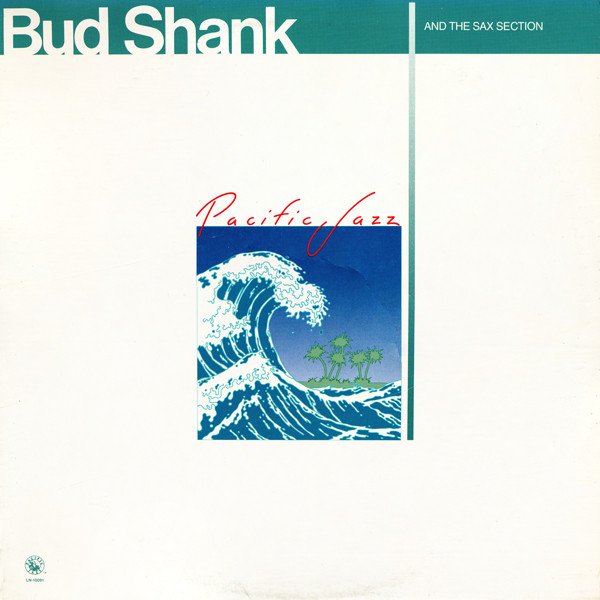
We Used to Sell the Dubby Reissues of Bud Shank And the Sax Section, Ouch

More of the Music of Bud Shank

I used to sell reissues of this record back in the day some twenty odd years ago. While they aren’t terrible — lackluster is a more apt description — we can clearly hear now that they are made from second generation tapes.

The stage is recessed and collapsed, and the sound never gets big enough nor lively enough to free itself from the speakers. (This happens to be our all-too-common experience with many of the Heavy Vinyl pressings we audition and consequently write mean things about. Can you blame us? We loathe that sound.)

It’s yet another example of a record we was wrong about. Live and Learn, right?

I would not buy any Pacific Records pressing with this style reissue cover. We’ve never heard one sound better than mediocre on our current system.


This record sounds best this way:

(more…)

Atlantic Crossing – Thick, Dull and Dubby on British Vinyl

Another Well Recorded Album that Should Be More Popular with Audiophiles

The copies we liked best were the biggest and richest, the least thin and dry. Many of the brighter copies also had sibilance problems which the richer and tubier ones did not.

On some of the Rod Stewart albums that we happen to know well, the British pressings are clearly superior; the first two Rod Stewart albums come immediately to mind. After that, strange as it may seem, all the best pressings are domestic. This album is certainly no exception.

I remember bringing back a few Brit copies from England many years ago and being surprised that they were so thick, dull and dubby sounding. Of course, they were; the album was recorded right here in the good old US of A. The master tapes are here. The Brit pressings sound dubby because they are made from copy tapes.

If there is any doubt, the following is a list of the studios in which Atlantic Crossing was recorded.

  • A&R, NY
  • Criteria, Miami, FL
  • Wally Heider, Los Angeles, CA
  • Hi Recording and
  • Muscle Shoals Sound, AL

(more…)

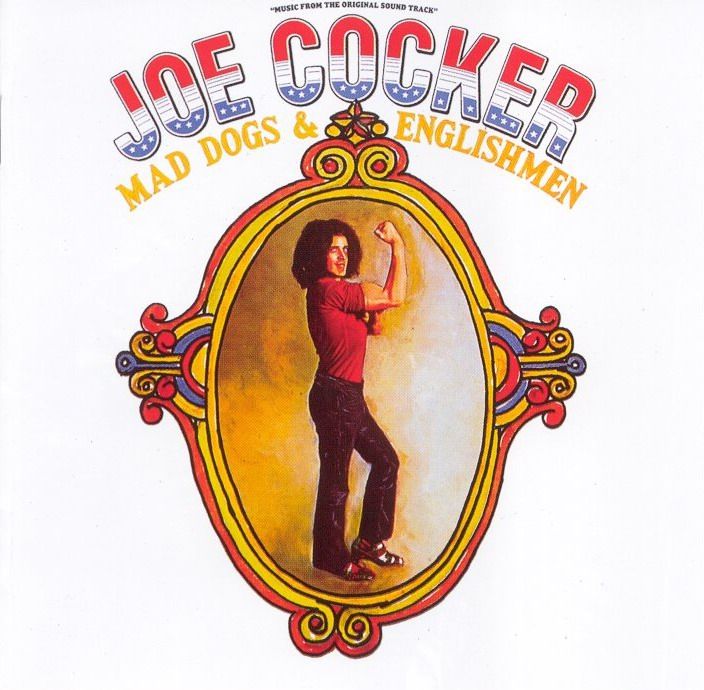
Mad Dogs, Englishmen and Copies with Bad Stampers

More of the Music of Joe Cocker

The weaker copies have a tendency to sound smeary and congested. Listen for good transients and not too much compression. Many are also somewhat opaque as well as dull up top; try to find the ones with some degree of transparency and as much top end extension as you can (the percussion will be helped most of all by the extended top).

And of course you need to find a copy that rocks, as this is a definitely a Rock Concert, although what it most reminds me of is Ray Charles doing a choice set of modern pop classics, mixing it up by off-handedly throwing in a few hits of his own. See how they all fit together? That’s how the pros do it. (The main pro in this case is Leon Russell, the mastermind of the whole operation.)

Biggest Problems

Well, for one thing, if you get the wrong stampers on this record you will discover, as we did, that it’s clearly been mastered from a badly transferred dub tape. The “cassette-like” sound quality will not be hard to recognize. If you have stumbled onto one of those pressings, give up on it and try your luck elsewhere, making sure to note the bad stampers. That’s how we do it; there is in fact no other way. Trial and error is the name of the record hunting game.

All tracks were engineered by the legendary Eddie Kramer, then selected and mixed by the equally legendary Glyn Johns. (more…)

Today’s Heavy Vinyl Mediocrity Is… Fragile

Hot Stamper Pressings of the Music of Yes Available Now

The Analogue Productions 180g reissue shown here is mastered by Steve Hoffman and Kevin Gray, two guys with reputations for doing good work, but the results of their collaboration [can you believe this record came out in 2006!?] leave much to be desired.

The overall sound is too lean.

This is especially noticeable on the too-thin-sounding guitars and vocals.

Believe me, it’s no fun to play a Yes album with thin guitars and vocals.

Also, there’s a noticeable lack of ambience throughout the record. What comes to mind when I hear a record that sounds like this is the dreaded D word: dubby.

I find it hard to believe they had the actual two-track original master tape to work with. The sound is just too anemic to have come from the real tape. If they did have the real tape, then they really botched the job.
(more…)

Le Cid on Klavier – Now With Added Smile Curve

Presenting Yet Another Pressing Perfectly Suited to the Stereos of the Past

This hi-fi-ish Doug Sax/ Acoustic Sounds butchering of Fremaux’s performance from 1971 is insufferable. These Klavier pressings of EMI recordings are nothing but Audiophile Bullshit.

Can this possibly be the sound that EMI engineer Stuart Eltham was after?

Back in the day, audiophiles in droves bought this pressing from all the major mail order audiophile record dealers (you know who I’m talking about), apparently not noticing the overblown bass and spark-spark-sparkling top end. 

Perhaps the same audiophiles who think that Mobile Fidelity makes good sounding records? It would not surprise me. Same odd-tasting wine, different bottle.

The Smile Curve

If you’ve spent any time on this site, you should know by now that many audiophile records sound worse than the typical CD. The typical CD does not have an equalization curve resembling a smile. The classic smile curve starts up high on the left, gets low in the middle, and rises again at the end, resulting in boosted bass, boosted top end, and a sucked out midrange — the Mobile Fidelity formula in a nutshell.

If your system needs boosted bass and highs, perhaps because your speakers are too small, well, I suppose you could try this Klavier pressing.

Here’s a better idea.

Fix your f-ing stereo so you won’t need phony audiophile records like this one to make it sound good.

Either of the two records you see below will be dramatically better sounding than the Klavier Heavy Vinyl. The best pressings of this one win all the shootouts, but the Greensleeves Budget reissue pressing can also sound very good, with the better pressings earning a grade of 2+ or thereabouts.

(more…)

Heavy Cream – Not Recommended

Hot Stamper Pressings of the Music of Cream Available Now

Sonic Grade: D

A Polydor Double LP mastered by Robert Ludwig.

The tonal balance is right on the money, but of course, because this is a compilation, it is made from copies of master tapes, not real master tapes themselves, so it will always have that blurry, smeary, recessed, flat, opaque, airless, sub-generation-tape sound. In short, it’s dubby.

Hey, that’s what we hear on most of the Heavy Vinyl we audition, too. Imagine that.


What to listen for:


We play mediocre-to-bad sounding pressings so that you don’t have to, a public service from your record-loving friends at Better Records.

You can find this one in our Hall of Shame, along with others that — in our opinion — are best avoided by audiophiles looking for hi-fidelity sound. Some of these records may have passable sonics, but we found the music less than compelling.  These are also records you can safely avoid.

We also have an Audiophile Record Hall of Shame for records that were marketed to audiophiles for their putatively superior sound. If you’ve spent any time on this blog at all, you know that these records are some of the worst sounding pressings we have ever had the displeasure to play.

We routinely play them in our Hot Stamper Shootouts against the vintage records that we offer, and are often surprised at just how bad an “audiophile record” can sound and still be considered an “audiophile record.”


Further Reading

Eric Clapton / At His Best – But Is It Really?

More of the Music of Eric Clapton

More Reviews and Commentaries for the Music of Eric Clapton

Sonic Grade: D

This pressing, along with the rest of the series, was mastered by Robert Ludwig. The sound may be as rich and full as we described it years ago, but the tapes RL had to work with were dubs, so the sound is not up to audiophile standards, not ours anyway.

We play mediocre-to-bad sounding pressings so that you don’t have to, a public service from your record loving friends at Better Records.

You can find this one in our Hall of Shame, along with more than 350 others that — in our opinion — qualify as some of the worst sounding records ever made. (On some records in the Hall of Shame the sound is passable but the music is bad.  These are also records you can safely avoid.)

Note that most of the entries are audiophile remasterings of one kind or another. The reason for this is simple: we’ve gone through the all-too-often unpleasant experience of comparing them head to head with our best Hot Stamper pressings.

When you can hear them that way, up against an exceptionally good record, their flaws become that much more obvious and, frankly, that much more inexcusable.