best-piano

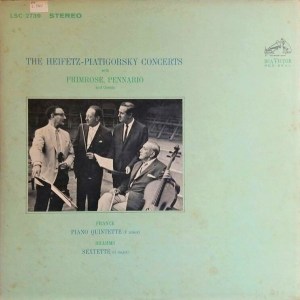
Franck / Piano Quintette & Brahms / Heifetz, Piatigorsky et al. – Reviewed in 2013

Hot Stamper Pressings Featuring the Violin

Superb Recordings with Jascha Heifetz Performing

This is one of the pressings we’ve discovered with Reversed Polarity.

A stellar reading of the Franck from this formidable group.

Side one of this Shaded Dog is excellent: rich, smooth and sweet.

The piano is exceptionally well-recorded, with real weight.

The Brahms is very good if you can reverse your polarity.    (more…)

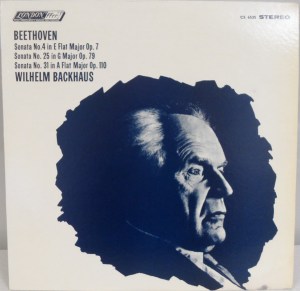
Beethoven / Piano Sonatas / Backhaus – Reviewed in 2008

Hot Stamper Classical and Orchestral Imports on Decca & London

Reviews and Commentaries for Recordings by Decca

CS 6535. This is the best sounding Backhaus LP I’ve ever heard.

The piano is natural and full-bodied, with solid weight, as would be expected from the Decca engineers of the day.

Decca was still making good records in 1967, long after RCA had gone Dynagroove.

(more…)

Philippe Entremont – Chopin: The Favorite Polonaises

  • This superb 1970 release from master pianist (and Chopin expert) Phillipe Entremont arrives with outstanding Double Plus (A++) sound and fairly quiet vinyl from first note to last
  • The transparency and clarity of this vintage pressing are wonderful – sound this good makes it easy to appreciate the subtlety of the Entremont’s remarkable virtuosity 
  • So big, rich and real – we guarantee this will become one of the best sounding solo piano recordings in your collection, and, of course, the performances are beyond reproach

This vintage CBS Masterworks pressing has the kind of Tubey Magical Midrange that modern records rarely even BEGIN to reproduce. Folks, that sound is gone and it sure isn’t showing signs of coming back. If you love hearing INTO a recording, actually being able to “see” the artist, and feeling as if you are sitting in the concert hall with Mr. Entremont, this is the record for you. It’s what vintage all analog recordings are known for — this sound. (more…)

Rachmaninoff / Concerto No. 2 – Reviewed in 2008

More of the music of Sergei Rachmaninoff (1873-1943)

Reviews and Commentaries for Rachmaninoff’s Piano Concertos

This is the earlier pressing of LSC 2068, which stretches the Rachmaninoff piece over both sides of the record, resulting in a more dynamic pressing.

The sound is tonally right on the money with the superb, rich, sweetly textured strings we have come to expect from RCA in this period.

The piano has exquisite tone as well.

This is a lovely, lyrical piece of music and the natural sound conveys the qualities of the work perfectly.

(more…)

Oscar Peterson – We Get Requests

This is the way it must have sounded inside the RCA Studios in New York way back in 1964, not the club shown on the cover. The legendary RCA engineer Bob Simpson was behind the board. 

If you have full-range speakers one of the qualities you may recognize in the sound of the piano is WARMTH. The piano is not hard, brittle or tinkly. It’s more like a real piano and less like a recorded one. This is what good “live” recordings tend to do well. There isn’t time to mess with the sound. Often the mix is live, so messing around after the fact is just not an option.

Bad mastering can ruin the sound, and often does, along with worn out stampers and bad vinyl and five gram needles that scrape off the high frequencies. But a few — far too few — copies survive all such hazards. They manage to capture these wonderful musical performances on their molecules of vinyl, showing us a sound we never expected. 

Both Sides

Right away you hear a solid, full-bodied piano and snare drum, a sure sign of great sound to come. These sides were simply richer and fuller than the other copies we played. That rich tonality is key to getting the music to work, to allow all the instrumental elements to balance. The natural top doesn’t hurt either.

Great space and immediacy, powerful driving energy — these sides were up there with the best Peterson albums we played.

The sound was jumpin’ out of the speakers. There was not a trace of smear on the piano, which is unusual in our experience, although no one ever seems to talk about smeary pianos in the audiophile world (except for us of course).

Ray Brown’s bass is huge. With an extended top end the space of the studio and harmonics of the instruments are reproduced correctly.

(more…)