Top Producer-Engineers – Al Schmitt

Alone Together – What’s with All the Bad Vinyl and Murky Sound?

Reviews and Commentaries for the Music of Dave Mason

What follows is some advice on What to Listen For.

If you are interested in digging deeper, our Listening in Depth commentaries have extensive track by track breakdowns for some of the better-known albums for which we’ve done multiple shootouts.

On to Alone Together.

Some records are consistently too noisy to keep in stock no matter how good they sound.

This is one of them. We have a section for records that tend to be noisy, and it can be found here.

We struggled for years with the bad vinyl (on the original vomit-colored vinyl pressings, those are the ones that have the potential to win shootouts) and the murky sound of this album.

Finally, with dozens of advances in playback quality and dramatically better cleaning techniques, we have now [circa 2012] managed to overcome the problems which we assumed were baked into the recording.

I haven’t heard the master tape, but I have heard scores of pressings made from it over the years. I confess I actually used to like and recommend the Heavy Vinyl MCA pressing. Rest assured that is no longer the case. Nowadays it sounds as opaque, ambience-challenged, lifeless and pointless as the rest of its 180 gram brethren.

You want to keep what is good about a Tubey Magical analog recording from The Golden Age of Rock while avoiding the pitfalls so common to them:

  • poor resolution,
  • heavy compression,
  • thickness,
  • opacity,
  • blubber,
  • compromised frequency extremes,
  • lack of space and
  • lack of presence.

How’s that for a laundry list of all the problems we hear on old rock records, old classical records, and old jazz records?

All records when you stop to think about it.

What record doesn’t have at least some of these faults? Not many in our experience. A copy with few or none of these problems would do very well in our Hot Stamper shootouts indeed.

This is, of course, a list of all the faults we hear just as often in the Heavy Vinyl pressings we audition.

Records are records. Thick ones have the same problems as thin ones. Why wouldn’t they?

(more…)

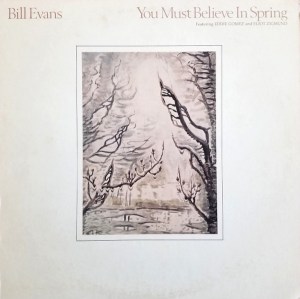
Bill Evans – You Must Believe In Spring

More Bill Evans

  • This original pressing of Bill Evans’ posthumous release boasts excellent Double Plus (A++) sound or close to it on both sides – exceptionally quiet vinyl too
  • Side two is lively, dynamic and full-bodied, and there’s real weight to the piano, a key quality we look for on all the piano recordings we play, and side one is not far behind in all those areas
  • An exceptionally well-recorded album, thanks to the engineering skills of none other than Al Schmitt
  • This album is getting very hard to find these days – apparently it has a following that it never used to have, but we are always pleased to see great music on vinyl find its audience, one way or another
  • 4 stars: “This well-rounded set (released posthumously) features the highly influential pianist Bill Evans in a set of typically sensitive trio performances… It’s a solid example of the great pianist’s artistry.”

This relaxed piano trio outing has been one of our favorite Bill Evans releases for close to a decade, in no small part because the best copies have the potential for truly Demo Disc sound. This is one of those, and it demonstrates more than anything else how natural, balanced and real the sound of a good piano trio recording can be.

Most copies of this album lack the energy and drive to keep the music from getting sleepy, but both sides here are lively, dynamic and full-bodied. There’s real weight to the piano, always critically important on the piano recordings we play.

This is the last album Bill Evans made before he died. His playing is emotional and powerful, and the other members of the trio provide fine support.

(more…)

What We Listen For on Don’t Cry Now

More of the Music of Linda Ronstadt

Hot Stamper Pressings on the Asylum Label

Linda’s vocals on both sides can be very DYNAMIC, but only the best copies will present them with no hint of STRAIN or GRAIN, two problems that make most pressings positively painful to listen to at the loud volumes we prefer.

Linda really belts it out on this album — face it, it’s what she does best — and only the rarest copies allow you to turn up the volume good and loud and let her do her thing.

Another key to recognizing the best copies is the fact that they tend to be highly resolving.

Two places to check:

  1. Note how breathy her voice is in the quiet passages. Only the least smeared, most transparent copies reproduce that breathy quality in her voice.
  2. Next check out the tambourine on Silver Threads and Golden Needles. If the sound is delicate, not gritty or transistory, you have yourself a winner in the resolution department.

Side One

The vocals on side one are often recessed and a bit dark on this album.

Linda’s Problems in the ’70s

The most common problem with these Ronstadt records from the ’70s is grainy, upper-midrangy sound. The smooth copies that still have plenty of presence, life, energy and top end extension are the ones that really get this music sounding RIGHT.

Every copy we played had problems on the last track of side one, Don’t Cry Now. Linda is singing at the top of her lungs practically from beginning to end, so both cutting the record and playing back the record would be difficult. The result is that there will usually be some coarsening of her vocal.

Some copies had the same problem on side two for I Believe in You, but not all.

(more…)

Hot Tuna – Self-Titled

More Folk Rock

• Shootout Winning Triple Plus (A+++) grades on both sides make this the best sounding Hot Tuna we have ever played
• If you like the kind of music Brits such as John Renbourn, Stefan Grossman, Bert Jansch and the like were making back in the ’60s this should be right up your alley
• Live, all acoustic, mostly Blues and Rags, this is about as far from the Jefferson Airplane as you can get
• 4 Stars: “Kaukonen remained the accomplished fingerpicking stylist he had been before joining the Airplane, while Casady dispensed with the usual timekeeping duties of the bass in favor of extensive contrapuntal soloing, creating a musical conversation that was unique. The result was less an indulgence than a new direction.”

Top quality sound for both sides of Hot Tuna’s classic debut album. It’s the best Hot Tuna Hot Stamper to ever hit the site for a good reason — it’s hard to come by clean copies of this stuff, and even when you do most copies don’t sound all that good.

Schmitt and Zentz

A pair of big names behind the recording managed to achieve some of the better live sound of the day. I refer of course to none other than Al Schmitt, producer (and winner of 23 Grammy Awards to date), and Allen Zentz, engineer (who later went on to found Allen Zentz Mastering and Recording). (more…)

Listening in Depth to It’s Like You Never Left

More of the Music of Dave Mason

The first track on side one, Baby…Please, has huge bass and is very rich.

Check out the sweet vocals on the second song, Every Woman, and the Tubey Magical richness of track three, If You’ve Got Love.

On side two note how big the piano sounds, and how much space surrounds it.

Then in comes the solid snare, followed by rich, meaty horns; breathy, silky vocals, and big guitars.

This album is very well recorded and you don’t need a pair of golden ears or a state-of-the-art system to hear it — assuming you have a great copy like this one.

If you don’t have a good copy of the album, no amount of money spent on stereo equipment is going to get this album to sound the way it should.

I Was a Fan in 73

I was a big fan of this album when it came out in 1973. I used to play it all the time in fact. Now I hear why – it’s big and rich with a solid bottom end and a smooth, sweet top, perfect for the big but not especially sophisticated speakers (the Fulton J System) I had back in the day.

This album has the kind of sound that the typical CD wants nothing to do with. Not that the Compact Disc couldn’t pull it off — there are good sounding CDs in this world, I own hundreds of them — but it doesn’t seem to want to even try.

Graham Nash helps out on vocals on tracks one, two and five on the first side.

Stevie Wonder plays a lovely harmonica solo on The Lonely One on side two, and George Harrison guests on guitar on If You’ve Got Love, the third track on side one. (more…)

Linda Ronstadt – Don’t Cry Now

More of the Music of Linda Ronstadt

  • The transparency and vocal presence here are wonderful – the piano is solid and Linda’s vocals are breathy and heartfelt
  • We love her emotionally powerful interpretations of Desperado, Sail Away and Neil Young’s achingly sublime I Believe in You
  • She really belts it out on this album – it’s what she does best – but only the best copies allow you to turn up the volume good and loud and let her do her thing
  • Rolling Stone raves it’s “the Ronstadt album for which we’ve been waiting.”
  • If you’re a Linda Ronstadt fan, this has to be considered a Must Own Title of hers from 1973.
  • The complete list of titles from 1973 that we’ve reviewed to date can be found here.

A key to recognizing the best copies is the fact that they tend to be highly resolving. Two places to check:

Note how breathy her voice is in the quiet passages. Only the least smeared, most transparent copies reproduce that breathy quality in her voice.

Next check out the tambourine on Silver Threads and Golden Needles. If the sound is delicate, not gritty or transistory, you have yourself a winner in the resolution department.

(more…)

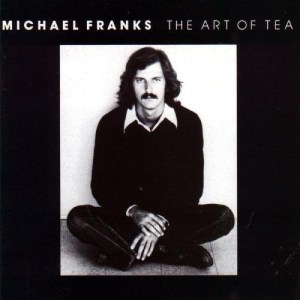
Michael Franks – The Art of Tea

  • Our first listing for Michael Franks “debut”, and with Triple Triple sonic grades it just does not get any better than this
  • This copy is bigger, richer and more extended up high and down low than any copy we have ever played – wow!
  • According to the liner notes this album was recorded live in the studio – top engineering too
  • 4 Stars: “This winning combination of players, styles, singing, and songwriting would be reshuffled and refined over the years, but perhaps with no finer results than on this official major label debut.”

No other copy in our shootout could hold a candle to the sound of this original pressing! (more…)

Our Last Shootout for Alone Together? Way Back in 2021

Hot Stamper Pressings of the Music of Dave Mason Available Now

Listen to how big and rich the dynamic chorus gets on the first track, Only You Know and I Know – what a thrill to hear it like that.

A killer Bruce Botnick recording – Tubey Magical Analog, smooth and natural, with the whole production sitting on a rock solid bottom-end foundation.

Before I get too far into the story of the sound, I want to say that this album appears to be criminally underrated as music nowadays, having fallen from favor with the passage of time.

It is a surely a Masterpiece that belongs in any Rock Collection worthy of the name. Every track is good, and most are amazingly good. There’s no filler here.

Finding The Right Sound on Alone Together

We struggled for years with the bad vinyl and the murky sound of this album. Finally, with dozens of advances in playback quality and dramatically better cleaning techniques, we have now managed to overcome the problems which we assumed were baked into the recording. I haven’t heard the master tape, but I have heard scores of pressings made from it over the years. I confess I actually used to like and recommend the Heavy Vinyl MCA pressing. Rest assured that is no longer the case. Nowadays it sounds as opaque, ambience-challenged, lifeless and pointless as the rest of its 180 gram brethren.

This copy managed to find a near-perfect balance of the above four attributes. You want to keep what is good about a Tubey Magical analog recording from The Golden Age of Rock while avoiding the pitfalls so common to them: poor resolution, heavy compression, thickness, opacity, blubber, inadequate frequency extremes, lack of space and lack of presence.

How’s that for a laundry list of all the problems we hear on old rock records (and classical records and jazz records; all records really)? What record doesn’t have at least some of these faults? Not many in our experience.

(more…)

Dave Mason – Alone Together on MCA Heavy Vinyl

More of the Music of Dave Mason

Reviews and Commentaries for the Music of Dave Mason

Sonic Grade: D

I confess I actually used to like and recommend the Heavy Vinyl MCA pressing. Rest assured that is no longer the case. Nowadays it sounds as opaque, ambience-challenged, lifeless and pointless as the rest of its 180 gram brethren.

As for other records we got wrong, you can find plenty more here, under the heading: Live and Learn.

We struggled for years with the bad vinyl and the murky sound of this album. Finally, with dozens of advances in playback quality and dramatically better cleaning techniques, we have now managed to overcome the problems which we assumed were baked into the recording. I haven’t heard the master tape, but I have heard scores of pressings made from it over the years. 

It is a surely a MASTERPIECE that belongs in any Rock Collection worthy of the name. Every track is good, and most are amazingly good. There’s not a scrap of filler here. The recording by Bruce Botnick is hard to fault as well.

1970 was a great time in music. Tea for the Tillerman, Bridge Over Troubled Water, Moondance, Sweet Baby James, Tumbleweed Connection, After the Goldrush, The Yes Album, McCartney, Elton John, His Band And Street Choir, Deja Vu, Workingman’s Dead, Tarkio, Stillness, Let It Be — need I go on?

Even in such illustrious company — I defy anyone to name ten albums of comparable quality to come out in any year — Alone Together ranks as one of the best releases of the year. (more…)