Good Sounding Digital – Reviews and Commentaries

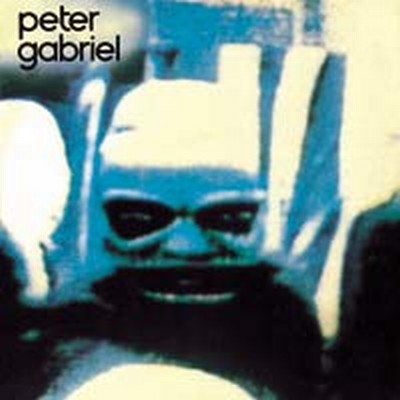
Unlike the First Three Albums, on Security You Can Forget the Brits

Hot Stamper Pressings of the Music of Peter Gabriel Available Now

The basics notes here were written in 2009, about the time we finished our album by album auditions of his early catalog.

On this title, forget the Brits. Every British pressing we played was badly smeared and veiled.

This took us somewhat by surprise because we happen to like the British PG pressings, but remember, So on British vinyl is awful too, so it’s clear (to us anyway) that the later PG records are bad on British vinyl and the early ones are better.

We are limiting our comments here to albums up through So. Anything after that is more or less terra incognita for us simply because we don’t care for the music he was making after 1986.

Plays Live, from 1983, takes the dark, overly-rich, overly-thick and way-too-smooth sonics of Security and lathers it over the material he had previouly recorded up through then. Some of it works well enough I suppose, but in my experience it usually isn’t long before the monotony of this approach grows tiresome.

What We Listened For

The best copies have sonic qualities that are not the least bit difficult to recognize:

  • Presence, putting PG front and center;
  • Dynamics, both micro and macro;
  • Energy, allowing the rhythmic elements to bring out the life in the music;
  • Transparency, so that we hear all the way to the back of the studio (where some of the many musicians that play in the densest parts no doubt had to stand); and
  • Ambience, the air that surrounds all the players and what instruments they played.

And of course we played the album VERY LOUD, as loud as we could. It’s the only way to get the massive druming to sound right.

The Music

This is one of the most important records in the Peter Gabriel canon, groundbreaking and influential on so many levels. The entire album is a wonderful journey; anyone with a pop-prog bend will enjoy the ride. Just turn the volume up good and loud, turn off your mind, relax and float along with PG and the band. You’re in good hands.

I’ve listened to this one more than other PG albums with the only exception being his second release, the one produced by Robert Fripp. That one is still clearly my favorite of the lot. I play it to this day and have never tired of it since I bought it way back in 1978.

Naturally, I would have originally picked up the domestic pressing, which is clearly made from a dub tape, but in 1978 what did I know about master tapes and imported pressings?

I was still a big Mobile Fidelity fan at that time, which is a simple way of saying that it’s clear that I had a very long way to go in this hobby and a great deal left to learn!

Nothing Peter Gabriel released after So did much for me so I resigned myself to the first five albums. Five excellent albums from one artist is plenty in my book.

If you like the albums after So, to each his own and more power to you. It’s my opinion that their appeal is limited, such that doing a shootout for them is not likely to be in the cards.

(more…)

Brothers in Arms – Not Bad When It’s Properly Mastered and Pressed!

Many copies suffer from harsh, digital-sounding highs.

Pull out your old copy and listen to the beginning of side two and you should have no trouble hearing what we’re on about.

Compare that to the silkier, sweeter top end on even the lowest-graded Hot Stamper pressing you may have picked up from your friends at Better Records and it’s unlikely you’ll find yourself going back to listening to whatever pressing you had been playing.

The comparison, we hope, will be edifying.

Want to find your own top quality copy?

Consider taking our moderately helpful advice concerning the pressings that tend to win our shootouts.

In our experience, this record sounds best this way:

And that means that it’s Robert Ludwig’s initials you should be looking for in the dead wax. Accept no substitutes.

(more…)

Tusk on Japanese Vinyl Without the Sub-Generation Japanese Mastering

Hot Stamper Pressings of the Music of Fleetwood Mac Available Now

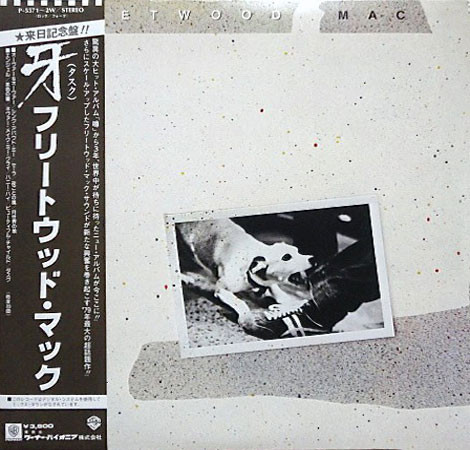
This Capitol-mastered, Japanese-pressed LP has excellent sound on the first two sides and SUPERB sound on sides three and four. I doubt you’ve ever heard the title track rock like this.

We dug up a few Japanese copies of Tusk that were mastered at Capitol by Ken Perry. Because they were made from the real tapes, these don’t have the typical smeary, sub-generation sound associated with Japanese pressings. We found that the best Japanese copies could hold their own with the best domestics on sides one and two, and could win outright on sides three and four.

We almost never like records that, although pressed in Japan, were not recorded in Japan. This is one of the exceptions because the mastering was done by the real mastering engineer, Ken Perry, using the real tape, here in America.

There are also some excellent direct to disc albums that were recorded here in the states and subsequently pressed in Japan.

(more…)

Listening in Depth to So

Hot Stamper Pressings of So Available Now

With a digital recording such as this, the margin for mastering error is very slim. Most copies just aren’t worth the vinyl they’re pressed on. They can sound harsh, gritty, grainy, edgy, and thin. We love this music and we know there are great copies out there, so we keep picking these up. More often than not, we’re left cold.

This is a digital recording, and most of the time it is BRIGHT, SPITTY and GRAINY like a typical digital recording, which plays right into our prejudices. After hearing a bad copy, what audiophile wouldn’t conclude that all copies will have these bad qualities? After all, it’s digital. It can’t be fixed simply by putting it on vinyl.

Ah, but that’s where the logic breaks down.

Proper mastering can ameliorate many if not most of a recording’s sins. When we say Hot Stampers, we are talking about high quality mastering doing exactly that.

Side One

Red Rain

Peter Gabriel’s soaring vocals here are a great test for transparency, especially during the last minute of the song when they really become more intimate, present, delicate and breathy.

Sledgehammer

Not unlike “Red Rain,” the flute intro here is a solid test for transparency and texture. But this moment passes quickly to make room for the huge horns that fire up the biggest hit on this album. The trumpets should have weight, dynamics, and texture. If they are smeary, blary or lifeless, you probably are listening to the typically compressed, low-resolution copy. (Side note: listen for the chatter before the singing begins – is someone talking on the phone? Last minute instructions from Peter? If you can figure out what they are saying we’ll give you this record for free!)

Don’t be alarmed at the veiled sound of the first two bars of vocals – it’s just the recording talking. When the verse comes in full swing, you’ll probably notice a little bit of spit, which is unavoidable here, especially on the super-sibilant “steam train” or “blue sky back”. However, the good copies make this problem non-offensive, and actually beneficial to the life of the music. The spit should not sound gritty or grainy; if it has a somewhat silky quality that’s a very good sign. But it has to be there if your copy is to have any life or presence in the midrange.

The backup singers that come in at the end of the first chorus should be subtle yet still present and clear. Also, pay attention to the reintroduction of the horns at the beginning of the second verse. The dynamic here is extremely important. The last note of their phrases should really swell up and make you appreciate what those guys are doing. (Maybe it’s Peter talking in the background, reminding the horn players not to forget to do that little dynamic trick.) (more…)

Who Knew that Dylan Could Sound This Good in 1983?

Hot Stamper Pressings of the Music of Bob Dylan Available Now

This vintage copy of Infidels could not be beat. Big and rich, with correct tonality from top to bottom, strong bass and plenty of space, this copy sounded just right to us.

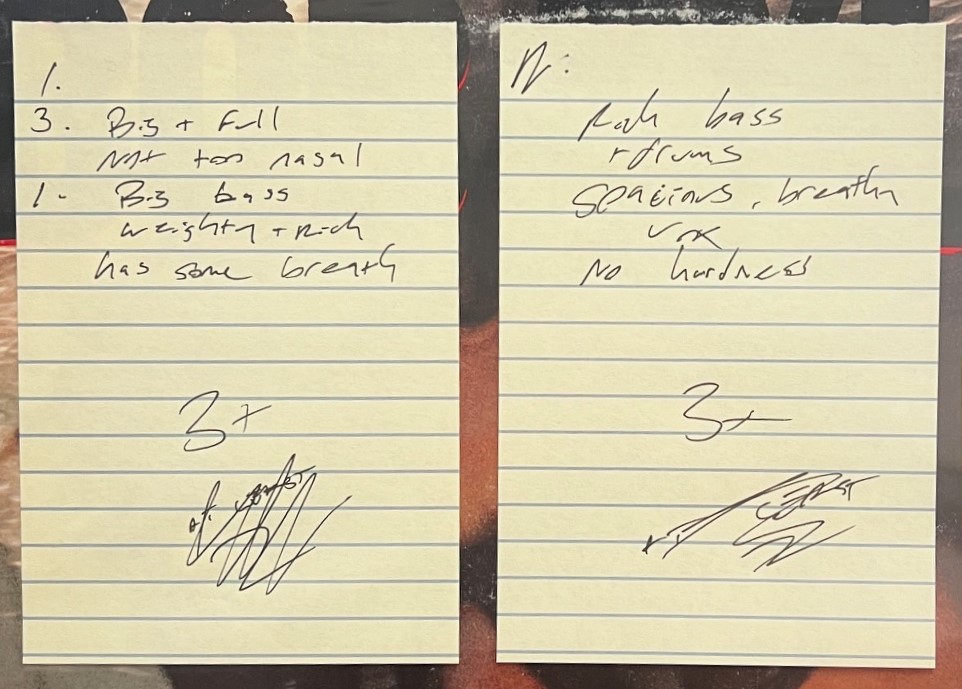
Our post-it notes tell the album’s story. (By the way, if you like reading our post-it notes, we’re putting more and more of them on the blog these days. We talk about the importance of taking notes  as part of the shootout advice we share. This post will help you with the basics.)

Side One

Track Three

    • Big and full
    • Not too nasal

Track One

    • Big bass
    • Weighty and rich
    • Has some breath

Side Two

Track One

    • Rich bass and drums
    • Spacious breathy vocals
    • No hardness

What We Learned

What do these notes have to tell us, other than this is a much better recording than it’s given credit for?

On side one, the vocals have a tendency to get nasally, sounding like Dylan is singing through his nose, not his mouth, a common problem with Dylan records from every era.

Also. when we say “has some breath, ” that basically means that most pressings on side one are not especially breathy in the mids, but this one is better in that department.

Not that the original grade was “at least 2,” and after going through all the copies, it turned out nothing could be beat this one. Some breath was probably more breath than any other side one we played.

On side two, the sound had “no hardness, ” and again, that simply means plenty of copies, maybe all the other copies, suffered from hardness in the vocals. “At least 2” turned into our Shootout Winner when no other copy could beat it.

Who Knew?

Has any other audiohile reviewer ever said a kind word about this album, other than us of course?

Not that I know of.

And we’re as guilty as any of them in assuming that 1983 was not a good year to be recording Dylan and expecting audiophile quality sound.

But we were proven wrong once again, by the only method that can possibly be relied upon to supply the truth: experimentation.

(more…)

Piano and Snare Testing with Dire Straits

More of the Music of Dire Straits

Telegraph Road does something on this copy that you won’t hear on one out of twenty pressings: It ROCKS. It’s got ENERGY and DRIVE.

Listen to how hard Allan Clark bangs on the piano on side one — he’s pounding that piano with all his might. No other copy managed to get the piano to pop the way it does here, clear and solid.

Wow, who knew? Maybe this is the reason HP put the record on the TAS Super Disc List. (I rather doubt he’s ever heard a copy this good, but who’s to say?)

Best test for side two?

The snare drum on Industrial Disease. Play five copies of the album and listen for how much snap there is to the snare on each of them. It will be obvious which ones get the transient attack right and which ones don’t. (If none of them do, try five more copies!)

One Way To Know

This modern album (1982) can sound surprisingly good on the right pressing. On most copies the highs are grainy and harsh, not exactly the kind of sound that inspires you to turn your system up good and loud and get really involved in the music. I’m happy to report that both sides here have no such problem – they rock and they sound great loud.

We pick up every clean copy we see of this album, domestic or import, because we know from experience just how good the best pressings can sound.

What do the best copies have? REAL dynamics for one. And with those dynamics you need rock solid bass. Otherwise the loud portions simply become irritating.

A lack of grain is always nice — many of the pressings we played were gritty or grainy.

Other copies that were quite good in most ways lacked immediacy and we took serious points off for that.

(more…)

What to Listen For on The Nightfly

Hot Stamper Pressings of the Music of Donald Fagen Available Now

We just finished a big shootout for Donald Fagen’s solo effort from 1982, released just two years after Gaucho and the end of Steely Dan and we gotta tell you, there are a lot of weak sounding copies out there. We should know — we played them. 

Robert Ludwig cut all the originals we played. Are you going to tell me that every copy with RL in the dead wax sounds the same as every other copy with those initials? The question answers itself.

What to Listen For

The upper mids on certain tracks of both sides have a tendency to be brighter than we would have liked.

Ruby Baby on side one can be that way, and the title track on side two has some of the wannabe hit single radio EQ that makes it less likely to please, so to speak.

Other records with a tendency to have boosted upper mids can be found here.

On a good copy the first track of each side should be all you need to hear.

Here are hundreds other titles with specific advice on what to listen for on some of the albums we’ve played in shootouts.

If you know how to do shootouts, you know how to find good sounding records.

(more…)

Letter of the Week – “It’s crazy that once upon a time I thought it sounded really great.”

Hot Stamper Pressings of the Music of Peter Gabriel Available Now

One of our good customers had this to say about a Hot Stamper pressing he purchased recently:

Hi Tom,
Just a note. I forgot I had Red Rain/Sledgehammer on a 45 rpm clarity vinyl from Classic.

So I compared them. What the fuck! It was absolutely, completely lifeless. I was amazed at how lifeless it was.

It’s crazy that once upon a time I thought it sounded really great.

The journey continues to amaze.

Take Care,
Michel

Michel,

Thanks for your letter. You are not the first person to notice that Heavy Vinyl and Half-Speed mastered records do not hold up well when played head to head with the Hot Stamper pressings we offer.

Bernie Grundman has a fairly spotty record in the modern era. Starting with the work he did for Classic Records in the 90s, it’s hard to think of too many BG-mastered titles that sounded all that good to us. If pressed, I might be able to name five, but please don’t press me, coming up with five would be more work than I’d want to do.

The record you played probably sounded a lot like the pressing of So he remastered for Classic in 2002. We didn’t like it then and we doubt it has gotten better with age. Flat as a pancake and dead as a doornail are our go-to descriptions for the mostly irritating records that the various audiophile labels were putting out in those days, and not too surprisingly, the records they are making now are no better.

(To be honest, we were fooled plenty of times ourselves and have the embarrassing catalog entries to prove it.)

You were amazed by how lifeless it was, yet you used to like it.

Aren’t other audiophiles in exactly the same boat you were in until just a few days ago? Until you paid all that money to us for a copy that blew your Classic right out of the water?

Without knowing it, what you actually bought was a copy that sounded the way the Classic should have.

You thought you were getting top quality sound with Classic’s releases, especially when it has the advantage of being one song on a 12″ disc mastered at 45RPM. That record should have been killer, a Demo Disc of a great song guaranteed to blow your own as well as your audiophile friends’ minds.

Maybe it would have. Maybe, like you, they would think the Classic sounds amazing.

What’s amazing most of the time is just how relative “amazing” can be.

So, now you own the record that is a true Demo Disc, and one that can demonstrate not just top quality sound, but how inferior these modern-mastered titles really are up against the real deal — the real deal being a plain old mass-produced record that everybody and his uncle could have bought for relatively cheap in 1986. No fancy packaging, no high price tag, no virgin vinyl, just a record properly-pressed and properly-mastered. The world is full of them.

Audiophiles may be incredulous at the thought, but all it would take to show them how wrong their approach to collecting better pressings has been is the right pressing. Those are the ones we sell.

(more…)

What to Listen For on Songs from the Big Chair

More of the Music of Tears For Fears

More of Our Favorite Art Rock Albums

Below you will find an excerpt from the commentary associated with a shootout winning pressing we discovered a while back:

There is one quality that the best copies always have and that the worst copies always lack: Frequency Extension, especially on the top end.

When you get a copy like this one, with superb extension up top, the grit and edge on the highs almost disappears. You can test for that quality on side one very easily with the percussive opening to Shout. If the harmonics and air are present at the opening, you are very likely hearing a top quality copy.

Side one here has smooth, sweet, analog richness and spaciousness I didn’t think was possible for this recording. The bass is full and punchy. When it really starts cooking, like in the louder, more dynamic sections of Shout or Mothers Talk, it doesn’t get harsh and abrasive like practically every other copy I’ve heard. It’s got energy and life, and it gets loud when it needs to without making your ears bleed.

There is wonderful transparency and presence in the vocals, not to mention a really deep soundstage. This copy trounced nearly all of the other pressings we played in terms of bringing the music to life while still keeping the aggressiveness of the presentation under control.

A Classic

This is a classic in the Tears for Fears canon, probably the album most people regard as their best. I myself prefer Seeds of Love, a near perfect pop masterpiece and one I have played hundreds of times from start to finish. (It helps to have it on cassette.)

All of which takes nothing away from Big Chair — it’s one of the top albums from the 80s no matter how you slice it. It went to Number One on the charts for a reason. There’s really not a bad song on either side, and quite a few absolutely brilliant ones.

(more…)

Letter of the Week – “The real point for me is that I can keep enjoying these new listening experiences over and over again.”

Our new customer Michel wrote to tell us how much he likes his Hot Stamper pressing of So.

Hi Tom,

Many of the BR titles I bought I had stopped listening to due to lack of engagement with the music. It just didn’t do it for me anymore. But then I’d buy one of your LPs… it would then destroy my other copies… and now I listen to that LP on a regular basis, enjoying music I love but had stopped listening to.

When I put on a BR record, I am engaged with the music… and of course I keep hearing new nuances, etc. with every play.

Why pay so much for an album?  Well if music floats your boat, then no explanation needed. Just bring your ears to my living room…then you’ll get it!

The real point for me is that I can keep enjoying these new listening experiences over and over again. It is an immeasurable joy really to hear beautiful music reveal itself in all its splendor.

How the f*** does yours sound so much better? Virtually as soon as the music began the difference was obvious.

I remember liking some aspects of the UK… and the same goes for the US… I liked the warmth and rolled back highs in comparison the UK, but it seemed muddy/veiled/mishmashy which was bothersome, so then I stopped listening.

The BR copy somehow has it all. It is by far the most listenable copy of this I’ve ever heard. It can be turned up all the way from start to finish without any worries about what you might hear.

Plenty of shrill-free highs, lots of killer bass… deep low tones with analog warmth, boomy wide room filling sound, etc, etc.  No muddiness in the presentation… clarity with warmth, nothing veiled.

Thank You!!
Michel

Michel,

You make a point that I have been banging on for years. Better sounding pressings are the only way to rediscover music that you’ve lost interest in because the copies you own didn’t have the sound you needed.

If your old copies of So had sounded better, you would have played them, but they didn’t, and so they sat on the shelf.

Knowing the sound was off, you simply stopped playing them. You lost track of So.

Hot Stamper pressings get played. They have the life of the music in their grooves and demand to be heard!

We say music does the driving in this hobby, but that’s not really the whole story for us audiophiles, is it?

Music with good sound is what really does the driving.

Joy to Your World

When you get hold of the pressing that presents the music the way you want to hear it, that’s the record that gets played beause that’s the record that brings joy to the listener.

The other pressings of So sit on the shelf, reminders that badly-mastered, badly-pressed records are the norm, not the exception.

The exceptional pressing is the one that can bring the music you love back from the purgatory of the overcrowded record shelf.

Think of the audiophiles that have thousands and thousands of records on their shelves and never find time to play them. Why is that?

Maybe it’s because there is nothing special about those pressings. Some collectors are so proud of having so many records — look at them all! — but what good are they? To our way of thinking, the man with ten or twenty exceptionally good records is far better off than than the one with a thousand or five thousand mediocrities.

If you want a powerful, immersive, thrilling musical experience, you will need a record that is powerful, immersive, and thrilling.

The thousands of records sitting on your shelf, the ones you haven’t played in years, are the silent reminders that they aren’t nearly as good as you think they are. If they were better, they would call out to you from that graveyard you call a record collection and fight their way back to your turntable.

So Is Back

Now, after all these years, you finally have a pressing of So that demands to be played.

If others of you out there haven’t played your copy of So in a long time, maybe there’s a reason for that.

Thanks for your letter.

Best, TP

(more…)