 Hot Stamper Pressings of Living Stereo Recordings Available Now
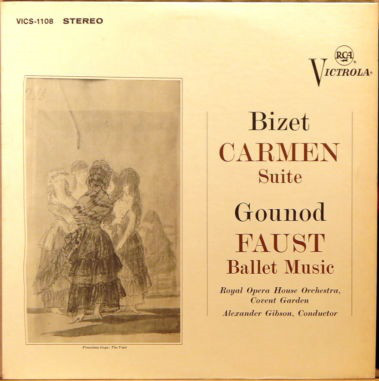
For RCA classical and orchestral recordings, the earliest pressings on the Shaded Dog label, in stereo, tend to be the best sounding, right?
Maybe. It’s an open question, at least it is for us when we consider how many exceptions to the rule we’ve run into over the 30+ years we’ve been buying and selling them.
If we tallied all the copies we’ve played and created a very large spreadsheet using the data, perhaps we could give you a better answer than “we don’t know,” but we’ve definitely never tallied them up and have no plans to do so. It sounds to me like a lot of work.
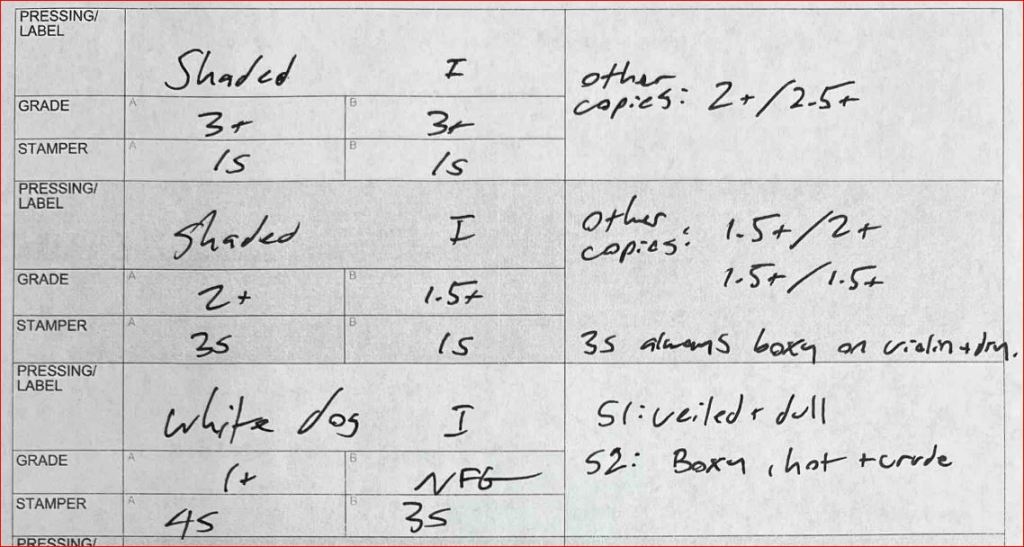
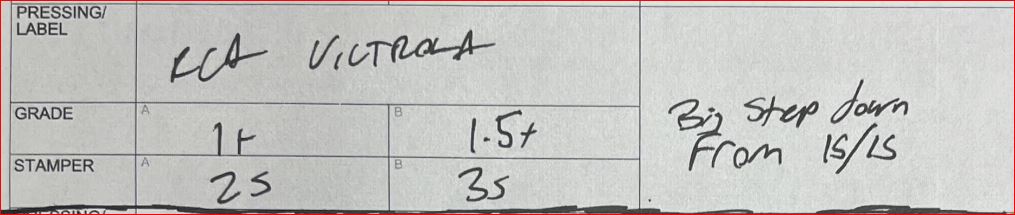
However, in our experience, and contrary to the conventional wisdom, sometimes the higher-numbered pressings are better sounding than the lower-numbered pressings. This is true of the stampers for the Shaded Dog pressings below.
Keep in mind that the stamper numbers you see belong to a different album.
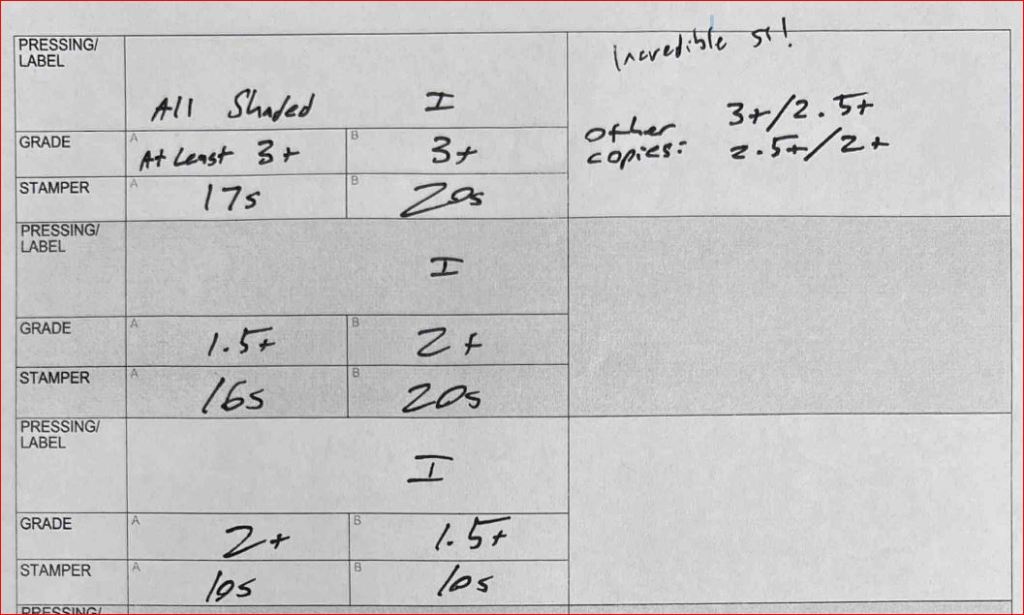
The questions that audiophiles who collect shaded dog pressings should be asking themselves right about now are:
- Why is 17s/20s consistently better sounding than any copy with any other stampers?
- Why is the 16s pressing worse sounding than even the worst 17s pressing when they are both Indianapolis pressings only one digit apart?
- Why does the 20s side two potentially win the shootout with a 3+ grade, but more often only earn a grade of 2.5+ or 2+?
- And the hardest to stomach of them all are those second-rate 10s stampers. How on earth can they come in last in a shootout against all the copies with higher numbers?
It turns out that the old rule of thumb that the lower-numbered stampers will sound better than the higher-numbered ones is not nearly as reliable as some folks would like it to be.
If it were more reliable, we could all just buy the lowest-numbered stamper copies we could find and know that we had the best available pressing. Then, if we were lucky enough to encounter an even lower-numbered stamper copy, we could buy that one and know that we now had an even better sounding pressing, all without having to play the old “best” one against the new “best” one.
It’s so convenient and logical this way, why would anyone want to bother with a different illogical, inconvenient and obviously counterintuitive method when the other one has so much going for it?
There is only one problem with the idea of collecting the earliest shaded dog pressings in order to secure the best sounding pressings — the fact that the evidence to support such an approach is so spotty. Yes, early stampers win lots of shootouts. No, early stampers do not win all the shootouts, or even a majority of them, judging by a rough calculation using the data from the many hundreds of stamper sheets we’ve created over the years.
Predictions Are Futile
The unfortunate reality we run into is that most of the time we are not able to predict which stampers will win a shootout before we actually sit down to play all our copies.
Although it’s true that there are many pressings in which one set of stampers always wins, the odds are that any particular pressing with those stampers will do well but won’t win, and it sometimes happen that some pressings with those stampers won’t do well at all.
This is why we have to do shootouts, and why you have to do them too, if finding the highest quality pressings is important to you.
Fortunately for readers of this blog, our methods are explained in detail, free of charge.
We’ve also written quite a few commentaries to help audiophiles improve the way they think about records.
I implore everyone who wants to make progress in this hobby to learn from the mistakes we’ve made. There are 146 “we were wrong” listings on the site as of this writing, and we learned something from every damn one of them, painful and costly as those experiences may have been.
(more…)
 Hot Stamper Pressings of Living Stereo Recordings Available Now

 Hot Stamper Pressings of Living Stereo Recordings Available Now
 Hot Stamper Pressings of Living Stereo Recordings Available Now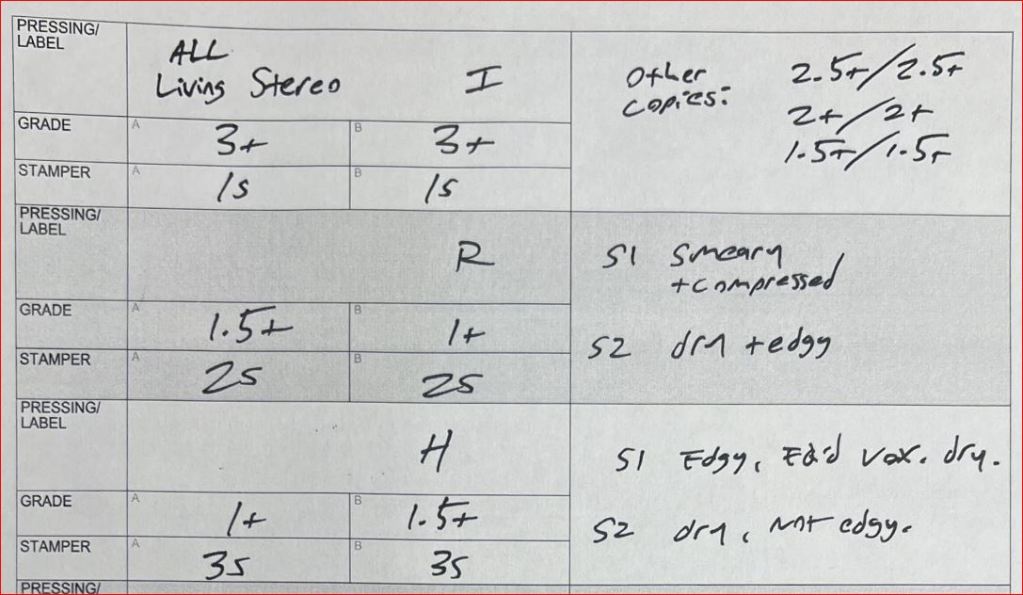
 Hot Stamper Pressings of Living Stereo Recordings Available Now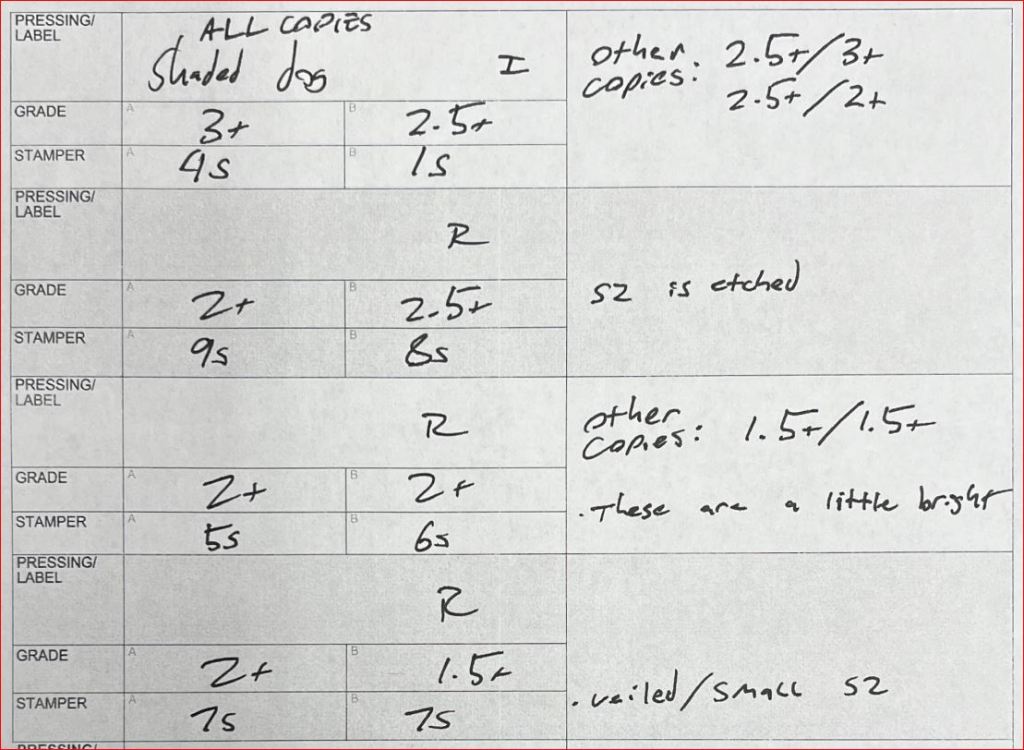
 Hot Stamper Pressings of Living Stereo Recordings Available Now