coltrmyfav

What to Listen For on My Favorite Things

Hot Stamper Pressings of the Music of John Coltrane Available Now

An album like this is all about its Tubey Magical stereoscopic presentation.

If you’re looking to demonstrate just how good 1961 All Tube Analog sound can be — thanks to legendary engineers Phil Iehle and Tom Dowd — an outstanding pressing of this album is just what the doctor ordered.

What to listen for you ask?

A solid, full-bodied, clear and powerful piano. As we focused in on the sound of the instrument, we couldn’t help but notice what a brilliant player McCoy Tyner is.

This may be John Coltrane’s album, but Tyner’s contribution is critically important to the success of My Favorite Things.

(We rarely care much for Tyner as a leader, which is why you see so few of his albums on the site. Most of his Milestone recordings are terrible, so caveat emptor on those especially.)

Lately we have been writing quite a bit about how pianos are good for testing your system, room, tweaks, electricity and all the rest, not to mention turntable setup and adjustment.

  • We like our pianos to sound natural (however one chooses to define the term).
  • We like them to be solidly weighted.
  • We like them to be free of smear, a quality that is rarely mentioned in the audiophile record reviews we read.
  • Some of the other records we’ve discovered with top jazz piano sound can be found here

(more…)

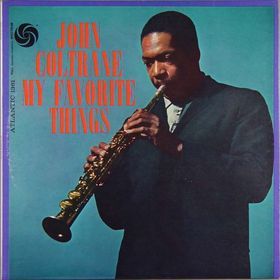
The Electric Recording Company Does My Favorite Things No Favors

Hot Stamper Pressings of the Music of John Coltrane Available Now

My Favorite Things happens to be one of our favorite Coltrane records, but we much prefer the stereo pressing of the album. (This is almost always the case when an album has been recorded in stereo, as My Favorite Things was in 1960, later released on Atlantic vinyl in 1961.)

We even tell you what to listen for to help you separate the best pressings from the merely good ones: the piano.

A solid, full-bodied, clear and powerful piano. As we focused on the sound of the instrument, we couldn’t help but notice how brilliant McCoy Tyner is. This may be John Coltrane’s album, but Tyner’s contribution is critically important to the success of My Favorite Things.

The engineering duties were handled by Tom Dowd (whose work you surely know well) and Phil Iehle, who happens to be the man who recorded some of Coltrane’s most iconic albums for Atlantic: Giant Steps (1960) and Coltrane Jazz (also in 1961).

Our last shootout for My Favorite Things was in 2018, not exactly yesterday, but in our defense let me just say that we have done plenty of other Coltrane albums from this period and feel as though we would have no trouble recognizing the sound his engineers were going for.

Unfortunately for those of you who have bought into the idea that the Electric Recording Company produces records with audiophile quality sound, you will find an utterly alien My Favorite Things, one nobody has ever heard before and one that no audiophile should want anything to do with.

Allow us to lay out the specifics of our complaints:

Notes for Side One

  • Big and full but smeary, flat and dull sax
  • No space or depth anywhere
  • Bloated bass
  • A mess

Notes for Side Two

  1. Side two is even worse
  2. Where is the breathy detail of the sax?

Electric Recording Company

We’ve played a few other ERC releases produced by the gentleman who owns The Electric Recording Company, a Mr. Pete Hutchison.

As you no doubt know, we would not be correct in using the term “mastered.” He does no mastering. He does “transferring.” He transfers the tapes to disc and puts them in nice jackets of his own design.

(more…)

Robert Brook Reviews the ERC Pressing of My Favorite Things

One of our good customers has a blog which he calls

A GUIDE FOR THE DEDICATED ANALOG AUDIOPHILE

Here is Robert’s review of ERC’s mono release of My Favorite Things. MFT happens to be one of our favorite Coltrane records, but we understandably prefer the stereo pressings, which is almost always the case when an album has been recorded in stereo, as My Favorite Things was in 1960.

ELECTRIC RECORDING COMPANY’s Reissue of MY FAVORITE THINGS

We even tell you what to listen for to help you separate the best pressings from the merely good ones: the piano.

A solid, full-bodied, clear and powerful piano. As we focused on the sound of the instrument, we couldn’t help but notice how brilliant McCoy Tyner is. This may be John Coltrane’s album, but Tyner’s contribution is critically important to the success of My Favorite Things.

The engineering duties were handled by Tom Dowd (whose work you surely know well) and Phil Iehle, who happens to be the man who recorded some of Coltrane’s most iconic albums for Atlantic: Giant Steps (1960) and Coltrane Jazz (also in 1961).

Electric Recording Company

We’ve played a number of ERC releases.

In the video embedded in the Washington Post article “In Search of the Perfect Sound,” at some point you can hear me exclaim “This guy makes mud pies!” while listening to the ERC pressing of Quiet Kenny.  I am happy to stand behind that judgment, and I think Robert Brook would agree with me about that.

Here is our review of ERC’s Forever Changes.

Our commentary making the case that these albums are aimed primarily at collectors and speculators, not audiophiles, can be found here.

We have now played the ERC pressing of My Favorite Things for ourselves and will be reviewing it soon.

Other Opinions

As much as we dislike these records, there are some music lovers who are quite pleased with them. A certain JLysaker wrote the following on discogs in 2021 about the ERC records a friend of his gave him (!) (edited for brevity).

I own 4 lps from this label. All sound amazing… The [Way] Out West pressing, stereo, is probably the best sounding LP I own… I also had an AP edition of one of the albums and the ERC pressing was hands down more natural sounding and imaged with greater clarity, and not just to my ears but to that of another buddy there for a listen.

Was it $500 better? I really doubt sonic differences translate into clear dollar amounts, but I would understand someone saying: ‘I’ll stick with damn good.’ Then again, some albums are dear to people and they want to hear it in the best possible fashion, and that probably won’t be through an original pressing — too rare, condition issues, and so forth as pointed out below. So they pop for one of these, as I did with My Favorite Things, which isn’t even a well recorded album.

And I am glad I did as Coltrane’s soprano never sounded better to me, and I have been listening to that recording for decades. So, from experience, these pressings are special. But acquiring them involves serious opportunity costs for anyone not rolling in the dough. And I doubt I ever would have sprung for one if an evil friend hadn’t given me some.

But here I am, feeling neither scammed nor screwed, and quite certain that those releasing these records are qualified to do so.

Others in the comments section were not so positive. Then again, nobody gave them the records and the price struck them as a bit high (median pricing for the album is currently $723.10).

We get similar complaints about our prices, but then again, we’re in the business of selling the best sounding pressings ever made, which is clearly not the case with ERC. They’re in the business of selling mud pies.

(more…)
John Coltrane – My Favorite Things

More John Coltrane

  • You’ll find outstanding Double Plus (A++) sound on both sides of this 1961 Coltrane classic – exceptionally QUIET vinyl too
  • There is more richness, fullness and presence on this pressing than other copies offer, and that’s especially true for whatever godawful Heavy Vinyl pressing is currently being foisted on an unsuspecting public
  • With McCoy Tyner on piano, Steve Davis on bass and Elvin Jones on the drums, this is a group that can do no wrong with standards of this caliber
  • Our last shootout was in 2018 — finding clean stereo copies of this album, at any price, is tough these days and only getting tougher
  • 5 stars: “The unforced, practically casual soloing styles of the assembled quartet allow for tastefully executed passages a la the Miles Davis Quintet, a trait Coltrane no doubt honed during his tenure in that band. Each track of this album is a joy to revisit.”

An album like this is all about its Tubey Magical Stereoscopic presentation. If you’re looking to demonstrate just how good 1961 All Tube Analog sound can be — thanks go to legendary engineers Phil Lehle and Tom Dowd — this excellent copy should be just the record for you. (more…)