scaggsilkd

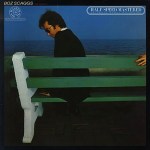
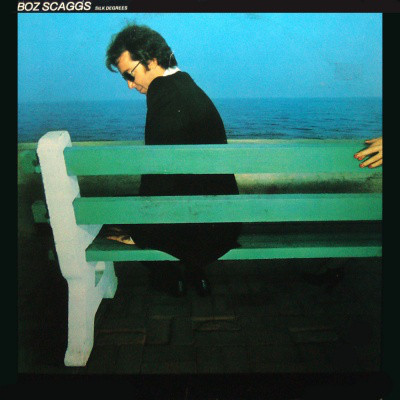
Boz Scaggs – Silk Degrees

More Blue-Eyed Soul

  • Solid Double Plus (A++) sound brings Boz’s very well recorded Masterpiece of Soulful Pop to life on this vintage Columbia pressing
  • Both of these sides are punchy, open and clear, with the kind of big bass and rhythmic energy so critical to this music
  • This copy brings out of the mix the solid, weighty piano that’s missing from the CBS Half-Speed and 90% of the reissues
  • 5 stars: “[Scaggs] hit the R&B charts in a big way with the addictive, sly ‘Lowdown’… and expressed his love of smooth soul music almost as well on the appealing ‘What Can I Say.'”

There is excellent sound on the better-recorded tracks, which I’m happy to say are most of them. And why not? This band is basically Toto with Boz Scaggs singing lead. David Paich wrote most of the songs and most of the Toto band (which didn’t exist yet, of course) is in the house. (No Lukather, but the guitarists on hand manage to pull it off without him.) Check out the legendary Jeff Porcaro’s twin hi-hats on “Lowdown,” one per channel, energizing the rhythm of the song big time.

One of the main qualities separating the winners from the also-rans on this title is the quality of the bass. This is rhythmic music, first and foremost. David Hungate just kills on this album; he’s giving a master class on rock and roll bass on practically every track.

And, for us audiophiles, the good news is the bass is very well recorded — big, punchy and well upfront in the mix. The bad news is that only the best copies show you the note-like, clear, rich bass that must be on the master tape. Vague and smeary bottom end is the rule, not the exception, and it’s a veritable crime against well-recorded sophisticated pop such as this.

(more…)

Better Sounding Records? Lucks Explains a Lot

Hot Stamper Pressings of Rock and Pop Albums Available Now
UPDATE 2024

This commentary was written many years ago. It concerns a subject which does not get nearly enough discussion in the audiophile community: the subject of luck in audio and records.

Back in the 70s I was very lucky to have bought some exceptionally good pressings of albums that quickly became personal favorites and have remained so ever since.

This album and others like it were the reason I chose to keep going deeper into audio, which, to be honest, pretty much sums up my life story.

No skill was involved in finding these records. No real knowledge either. It was all just dumb luck. Perhaps you will agree with me that much of life seems to work that way.


Silk Degrees

Most copies severely lack presence and top end. Dull, thick, opaque sound is far too common on Silk Degrees, which may account for some audiophiles finding the Half-Speed an improvement.

Despite all the bad sound I found for this album, I kept buying copies of this record in the hopes that someday I would find one that sounded good. I remember playing this record when it came out in 1976 and thinking that it sounded very good. So how is it that all the copies I’m playing sound so bad, or at the very least, wrong?

Well, the answer to that question is not too complicated. When you get the right pressing, the sound is excellent.

I must have had a good one 40+ years ago, and that’s why I liked the sound. Something similar happened to me with Ambrosia’s first album.

The copy I had picked up at random when I bought the album new in 1976 just happened to have very good stampers. (Keep in mind that we don’t like to call a record Hot until it has gone through the shootout process, a subject we discuss in some depth here.)

When you consider that Hot Stampers for both of those records are pretty unusual, I would say I was very lucky to get good sounding copies of those two masterpieces while everyone around me was buying crap.

To be clear, when I was buying these records, and even as late as when I wrote this commentary twenty years ago, I had much less revealing components and the much lower standards that typically accompany them.
(The longer I have spent in this hobby, the more obvious it is to me that the two go together. This tendency helps to explain, better than any other single reason — although lots of other things are involved — the audiophile preference for remastered pressings of questionable quality.)

So what do you hear on the best copies?

(more…)

Boz Scaggs’ Rich, Solid Piano – The Forgotten Sound of the Seventies

xxxReviews and Commentaries for the Music of Boz Scaggs

What do you hear on the best copies? Well, the first thing you hear is a rich, solid piano, a piano sound that’s practically missing from the CBS Half-Speed and 90% of the reissues we’ve played.

Like so many recordings from the ’70s, this album is surprisingly natural sounding. I’ve had the same experience with Billy Joel’s ’70s records. I was surprised to hear how well recorded they are — and how full-bodied the piano is — after I stopped listening to the audiophile and import pressings and went back to the original domestic copies. When you get the right ones — that’s how we see our job, finding the right ones — they’re wonderfully rich and smooth (but not too smooth), the way good analog should sound.

And these were the kinds of records that we audiophiles were complaining about back in the day. We lamented the fact that these pressings weren’t audiophile quality, like the best MoFis and Japanese pressings. Can you imagine?

This is how bad even good equipment must have been back then.

Of course we got what we deserved. We got lots of phony, hyped-up pressings to fool us into thinking we were hearing better sound, when in fact the opposite was true. I regret to say that nothing has changed — most pressings aimed at audiophiles are still mediocre and some of them are surely the worst versions of the album ever produced. That’s pretty bad, wouldn’t you say? (For some unfathomable reason, nobody but us ever does say.)

The other record that immediately comes to mind to show you the sound that’s missing from many pressings, both vintage and modern, is Aja. Here’s what we had to say about it:

If you own the Cisco 180 gram pressing, focus on Victor Feldman’s piano at the beginning of the song. It lacks body, weight and ambience on the new pressing, but any of our better Hot Stamper copies will show you a piano with those qualities in spades. It’s some of my favorite work by the Steely Dan vibesman. The thin piano on the Cisco release must be recognized for what it is: a major error on the part of the mastering engineers.

A full piano is key to the sound of the best pressing of Silk Degrees.

The other thing you hear on the best copies is a smooth, sweet top end, which is likewise missing from the above mentioned pressings.

Most copies lack presence and top end.

Dull, thick, opaque sound is far too common on Silk Degrees, which may account for some audiophiles finding the Half-Speed preferable.

Of course, our Hot Stampers give you the presence and highs that let this music come to life. If they didn’t they wouldn’t be Hot Stampers now would they?

(more…)

David Hungate Gives a Master Class on the Bass

Reviews and Commentaries for the Music of Boz Scaggs

One of the main qualities separating the winners from the also-rans on this title is the quality of the bass. This is first and foremost rhythmic music. David Hungate just kills on this album; he’s giving a master class on rock and roll bass on practically every track. And, for us audiophiles, the good news is the bass is very well recorded — big, punchy and well up front in the mix.

The bad news is that only the best copies show you the note-like, clear, rich bass that must be on the master tape. Vague and smeary bottom end is the rule, not the exception, and it’s a veritable crime against Well-Recorded Sophisticated Pop such as this. (more…)

Silk Degrees – CBS Half-Speed Reviewed

Reviews and Commentaries for the Music of Boz Scaggs

Sonic Grade: D

Ran across this listing from all the way back in 2005. It takes shots at Badly Half-Speed Mastered records like this awful CBS audiophile pressing of Silk Degrees, as well as the audiophiles who complained about plain old domestic pressings at the time. I should know; I was one of them. Ouch. 

Old customers know that we have been relentlessly anti-audiophile-LP for years, since the early ’90s in fact, when those awful Acoustic Sounds jazz records first started coming out.

Hey, here’s a question for you. When was the last time that anybody mentioned a word about those Heavy Vinyl Disasters, badly mastered by Doug Sax with no presence and bloated bass? They’ve rather fallen from favor, have they not? I wonder why. Could it be because they were as ridiculously bad as I said they were, and it just took the rest of the world a little longer to recognize that fact? Perhaps most audiophiles are making progress. It’s just taking them a long long time. 


Hot Stamper Commentary from 2005!

Hot Stampers finally discovered! This is the SWEEETEST, RICHEST, MOST TONALLY CORRECT COPY I have ever heard.

This album has a long history here at Better Records. I used to complain about the CBS Half-Speeds being too bright.

(more…)