Hot Stamper Pressings of the Music of Michael Jackson Available Now
Our good customer who goes by the handle ab_ba on the web wrote to us about his experience with the White Hot Stamper pressing of Michael Jackson’s Thriller he recently acquired.
Part one of his letter can be found here.
Here he tells us about the shootout he conducted, which included a “pricey Japanese pressing” and a pressing that the forums recommended as the “holy grail.”
A few weeks later, on the eve of the closing of the return window, I shot it out against the best of my other copies. They range from the copy I grew up with, one of the few records from childhood that I held onto, to a pricey Japanese pressing in great shape (purchased long ago, when I thought Japanese pressing were where it’s at), to some copies I’ve picked up over the years because they looked to be in good shape and they were just five bucks, and a pressing that the forums told me was the “holy grail.”
None stacked up to the white hot stamper. In fact, they really weren’t even close. Here’s what I found:
The copy I grew up with is bright and edgy. To think, I spent all those years playing and re-playing a record that was bright and edgy, none the wiser to matrix numbers and pressing variations.
Some other lucky kid back then was surely listening to the copy I now own. I wonder if he ever said to himself, “wow, there’s something about this record. It sounds really special.”
The pressing with a sought-after matrix code had phenomenal bass, but the vocals were recessed. I’d so easy to be impressed with those huge drums on Billie Jean, but that alone is not enough to tell you it’s a great pressing. A lot of pressings seem to get that right.
My Japanese pressing was clear and full. But too smooth. The guitars don’t bite. Also, it fatigued me by about halfway through the side. This is energetic music. It might exhaust you, but it doesn’t have to fatigue you. This is an example of where if you don’t have a white hot stamper to compare it to, you’ll just assume your version sounds as good as it can get.
Dear ab_ba,
Most Japanese pressings cater to the sound a mid-fi system would need to sound good and a hi-fi system would find disastrous. They are almost always made from dubbed tapes, which are then brightened up in the mastering phase since that is the sound that appeals to the Japanese market for some reason unknown to me. (Old school audio equipment — horn speakers and vintage tube electronics — would be my guess.)
What you’re describing is the smeary, distorted sound you get from a second-generation and possibly even a third-generation tape.
Less bite on the guitars, more fatiguing harmonic distortion everywhere else, these records are only playable on less-than-revealing systems. I actually liked some Japanese pressings back in the 90s, and I take pride in the fact that I’ve learned a thing or two since then.
After getting my system to a higher level and playing the imports I owned head to head against good domestic and British, Dutch and German import LPs, I said goodbye to most of my Japanese pressings, including all the rock and pop ones I had purchased before I knew better. Thankfully there weren’t many of those.
Some Japanese pressings can be amazing sounding, and those I kept. You can find a short list of Japanese pressings we’ve played with potentially (you may have noticed that word shows up a lot on this blog)– top quality sound here.
All this happened more than 30 years ago. When played head to head with good vintage pressings, it was simply no contest, the Japanese came up short time and time again. I was actually embarrassed to have them in the house. What a fool I had been to believe what I was told and not to notice how second- and third-rate they were.
(more…)
 Hot Stamper Pressing of the Music of Michael Jackson Available Now

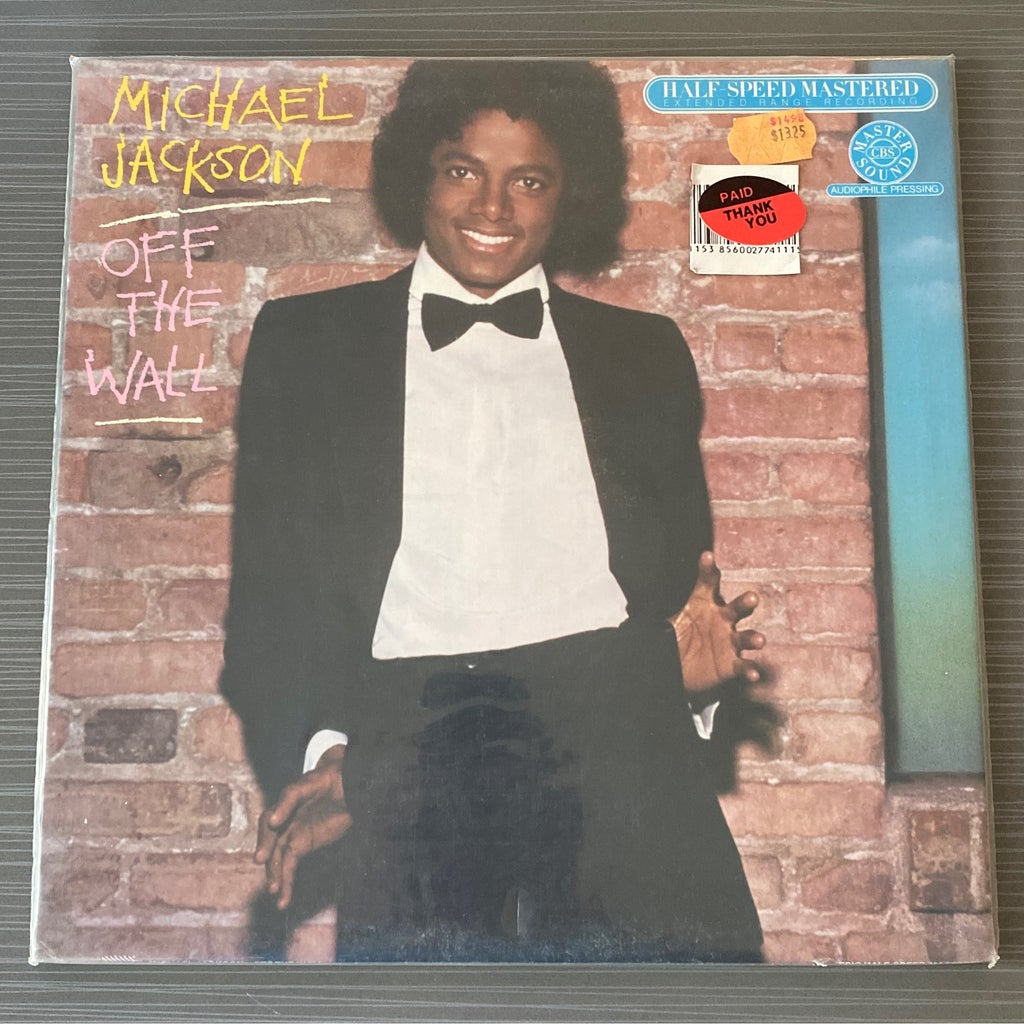
 Hot Stamper Pressings of the Music of Michael Jackson Available Now
 Hot Stamper Pressings of the Music of Michael Jackson Available Now
 Side One:
 I seriously doubt it. Until one comes along that doesn’t sound awful, the jury is out. Those of you looking for miracles are likely to be disappointed.