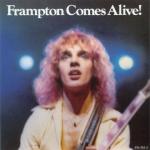
 Hot Stamper Pressings of the Music of Peter Frampton Available Now
When I was first getting serious about audio in the mid-70s, electrostatic and screen-type speakers were quite common in audio showrooms. Classical music aficionados in particular seemed to prefer them to other designs. They were often big, open and clear, and never boxy or sour.
Another quality they had going for them was that they were exceptionally transparent.
Alas, they were inadequate or wrong in almost every way a speaker can be, but transparency was their strong suit and everybody could hear it. All of the qualities noted above — big, open, clear — worked together to fool a great many audiophiles into thinking that theirs was the right approach to reproducing music.
(Circa the Pretzel Logic era, Becker and Fagen of Steely Dan fame were apparently big fans of Magnepan speakers, to the consternation of everyone else in the band — especially the engineers, one imagines — who thought they were overly-smooth, incapable of reproducing the frequency extremes high and low, soft, and lacking in their ability to reproduce many of the most important aspects of music, energy especially. Count me among their harshest critics.)
It was my good fortune at the time that I liked to play my rock music good and loud, so screens, panels and full-range electrostats were never going to cut it for me.
I once heard the giant Magnaplanar 1D system — a series of ten panels that stretched all the way across the long wall of the audio showroom I frequented at the time, standing about 7 feet tall to boot — try to reproduce a favorite Peter Frampton record of mine. (It was Wind of Change, a Desert Island Disc I still play regularly to this day.)
I’ll never forget being flabbergasted at how completely it failed to do any justice to the music. I learned a valuable lesson that day, and all my experience since then with these kinds of speakers has only confirmed how incapable they are of reproducing the music I grew up on and enjoy to this day.
The Magnaplanars were great on chorale records, I would never argue otherwise, but chorale music has never been my thing. I went instead with the big dynamic RTR 280-DRs they were selling because that speaker could play every kind of music well.
Isn’t that the bare minimum of what a speaker should be required to do?
Why would you want a speaker that limits your ability to enjoy every kind of music?
This album checks off many of our favorite boxes:
- It’s a personal favorite
- It’s a Masterpiece of rock and pop
- It’s a Demo Disc on big speakers that play at loud levels
- It’s part of the core collection of well recorded rock & pop albums
Want to find your own top quality copy?
Consider taking our moderately helpful advice concerning the pressings that tend to win our shootouts.
Based on our experience, Frampton Comes Alive sounds its best:
Further Reading