
mofi-apocalypse

Put Us to the Test! We Can Tell a Good Record from a Bad One, Digital or No Digital

Skeptical Thinking Is Key to Finding Better Sounding Records

And we don’t need to know anything about how it was made in order to judge it!

For those of you who did not follow this story from a few years back, you may want to catch up here.

Although it’s behind a paywall, you can get a free test drive easily enough.

Now that you are up to date on the overall contours of this mess, here is another one of the many thoughts I have had concerning the revelation that Mobile Fidelity has been secretly sourcing at least some of their masters digitally since 2015.

Back in August of 2022, I wrote what you see below to Geoff Edgers, the reporter who exposed this ridiculous mess. (I toned it down quite a bit. The original version was not suitable for publication.)

Earlier that same year he had visited me at my studio, where I played him the awful Dire Straits first album that MoFi remastered, one of the worst half speeds ever made (review coming, but you can get a good idea of my take on it here).
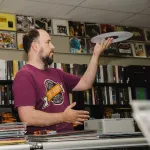
By August of 2022 he was starting to see just how crazy the world of audiophiles actually is, and the more he learned about some of these people, the crazier they seemed. And he was not wrong about that.

My letter (with a few additions):

Jim Davis (of MoFi) is not one to be trusted and would have loved to cover up this whole thing if he could have figured out how to do it. It got away from him, and as far as I’m concerned, good.

And you heard how shitty their Dire Straits record is. Who cares if it’s digital? The sound is bad. Why bother trying to figure out the reasons this crappy label doesn’t know how to make good records? It’s just a fact. Accept it.

Many of MoFi’s now-exposed records were on Fremer and Esposito’s own lists of the best sounding analog albums.

Of course they were. I defy you to find me two “audiophile experts” who are wrong more often than these guys!

From the article:

One of the reasons they want to excoriate MoFi is for lying,” says Howarth. “The other part that bothers them is that they’ve been listening to digital all along and they’re highly invested in believing that any digital step will destroy their experience. And they’re wrong.

These people who claim they have golden ears and can hear the difference between analog and digital, well, it turns out you couldn’t.

The best ears? Are you kidding me? In their dreams. These guys give every indication that they are virtually devoid of critical listening skills. The evidence supporting this reality has been laid out in this very blog in scores of commentaries over the course of more than twenty years.

(more…)

Facing Some Hard Truths in Phoenix

Advice on Making Audio Progress

Or kicking them while they’re down. Pick whichever one you like best, they both work for me.

For those of you who have not been following this story, here is the best place to start.

Although it’s behind a paywall, you can get a free test drive easily enough. (In September there will be a long-form video of me going about a Hot Stamper shootout and discussing the world of audiophile records, which you do not want to miss!)

Now that you are up to date on the overall contours of this mess, here is another one of the many thoughts I have had concerning the revelation that Mobile Fidelity has been secretly sourcing at least some of their masters digitally since 2015.

Before we start talking about where the blame lies in this mess — with Esposito, Fremer, Jim Davis, or the so-called “engineers” who work for Mobile Fidelity — I would like bring up a couple of ideas that you have no doubt seen before, mostly because they are discussed endlessly on this blog.

We Make Mistakes

The first is that anyone who has been on an audio journey for very long has made a lot of mistakes along the way.

Uniquely among reviewers and record dealers, we go out of way to admit when we were wrong. You might say we are even proud of the fact that we used to get so many things wrong about records and audio.

Our experimental, evidence-based approach, requiring that we not only make mistakes but that we embrace them, is surely key to the progress we have made in understanding recordings and home audio. One of our favorite quotes on the subject is attributed to Alexander Pope.

“A man should never be ashamed to own he has been in the wrong, which is but saying… that he is wiser today than he was yesterday.”

To say that few audiophiles have followed our approach is not to admit defeat. Rather it is simply to say that the approach we use to find better sounding pressings involves a great deal of tedious, sometimes expensive, always time-consuming work, work that few audiophiles seem interested in doing.

Instead, the approach that most audiophiles these days take is to buy ready-made audiophile pressings. They convince themselves — how, I cannot begin to imagine — that these pressings are superior to all others because of the exceptional skills and superior methods of those tasked with mastering and pressing them. Also I think I remember reading that their hearts were in the right place or something to that effect.

(more…)

The Mobile Fidelity Apocalypse, Part Four

For those of you who have not been following this story, here is the best place to start:

How a Phoenix record store owner set the audiophile world on fire

Although it’s behind a paywall, you can get a free test drive easily enough. (In September there will be a long-form video of me going about a Hot Stamper shootout and discussing the world of audiophile records, which you do not want to miss!)

Now that you are up to date on the overall contours of this mess, here is another one of the many thoughts I have had concerning the revelation that Mobile Fidelity has been secretly sourcing at least some of their masters digitally since 2015.

Thoughts for Today, 8/9

I wrote a commentary about the subject of master tapes about twenty years ago, using the heading: Master Tape? Yeah, Right

Here, for your reading pleasure, is a big chunk of it.

Let me ask you one question. If so many of the current labels making 180 gram reissues are using the real master tapes — the real two-track stereo masters, not dubs, not cutting masters, not high-resolution digital copies, but the real thing — then why do so many of their records sound so bad?

If you’re honest you’ll say “I Don’t Know…” because, and here I want you to trust me on this, you don’t know. I don’t know either. Nobody does.

Records are mysterious. Their mysteries are many and deep. If you don’t know that you clearly haven’t spent much time with them, or don’t have a very revealing stereo, or don’t listen critically, or something else, who knows what.

They’re mysterious. That’s just a fact.

There is no shortage of records that say “Made From the Original Master Tapes” that simply aren’t. I know this dirty little secret for a fact. I would never say which ones those are for one simple reason: it would make it seem as though others must be, when in fact we have little evidence that very many of them are.

We want them to be — I’m all for it — but how can we know if they are or not? Face it: we can’t.

We must make do — heaven forbid — with actually opening up our own ears and engaging the sound of whichever Heavy Vinyl Reissue we may find spinning on our turntable. Judging the quality of the sound — no doubt imperfectly — coming out of the speakers.

Good Luck

If you want to believe the press releases (made from Ian Anderson’s secret master tape!), the hype, the liner notes, the reviews and all the rest of it, that’s your business. Good luck with that approach; you’re going to need it. When you reach the dead end that surely awaits you, come see us. After 35 years in the record business, there is a very good chance we will still be around.

Our approach, on the other hand, is based on the simple idea of cleaning and playing as many pressings as we can get our hands on, and then judging them on their merits and nothing but their merits. We call them as we see them to the best of our ability, without fear or favor.

We think the complete commentary is well worth reading. It can be found here.

There is a great deal more to say concerning the Digital Revelation (not to be confused with the Digital Revolution, which I can only hope has come and gone), and I expect to be posting regularly in the coming weeks about it.

Our previous post on the subject can be found here: The Mobile Fidelity Apocalypse, Part Three

There are no doubt more posts to come. This link will take you to all of them, probably in the reverse order they should be read.

(more…)

The Mobile Fidelity Apocalypse, Part Three

For those of you who have not been following this story, here is the best place to start:

How a Phoenix record store owner set the audiophile world on fire

Although it’s behind a paywall, you can get a free test drive easily enough. (In September there will be a long-form video of me going about a Hot Stamper shootout and discussing the world of audiophile records, which you do not want to miss!)

Now that you are up to date on the basics, here is just one of the many thoughts I’ve had concerning the revelation that Mobile Fidelity has been secretly sourcing at least some of their masters digitally since 2015.

Judging by the hundreds of comments on various audiophile forums, there seems to be a great deal of outrage that Mobile Fidelity pressings were not in fact 100% analog, as the label had claimed.

However, I don’t recall ever reading a single post by anyone outraged by the fact that this label’s records rarely sound better than mediocre and more often than not are just plain awful.

I’ve been bashing this label in print and on the web for more than 30 years. During that time I’ve written a large number of reviews describing the extensive and, to me at least, obvious shortcomings of their pressings. Many of those reviews can be found here.

But it has always been hard to find fellow audiophiles who shared my disdain for the sound of MoFi’s badly mastered LPs. Just the opposite in fact. To my unending disappointment, many people who describe themselves as audiophiles seemed to really like them.

(more…)

The Mobile Fidelity Apocalypse, Part Two

For those of you who have not been following this story, here is the place to start:

How a Phoenix record store owner set the audiophile world on fire

Geoff Edgers is a friend of mine, an audiophile, and a very good reporter. I will be discussing this mess at some point on the blog. His article is well worth your time to read.

Although it’s behind a paywall, you can get a free test drive easily enough.

In September there will be a long-form video of me going about a Hot Stamper shootout and discussing the world of audiophile records, which you do not want to miss, so sign up now and start reading.

It came out, just as I’d promised, and you can see the whole thing here.

(more…)

The Mobile Fidelity Apocalypse, Part One

For those of you who have not been following this story, here is the best place to start:

How a Phoenix record store owner set the audiophile world on fire

Although it’s behind a paywall, you can get a free test drive easily enough.

In September there will be a long-form video of me going about a Hot Stamper shootout and discussing the world of audiophile records, which you do not want to miss, so sign up now and start reading.

Once you are up to date on the basics, check out the video that started it all.

For those of you who can take the abuse, check out the 234 (currently more than 1000!) pages of comments about this video on the Steve Hoffman forum.

I will be adding my two cents worth to this discussion soon, which should equal the value of the 1000 pages of discussion to date if I may be honest about the value of this label and the lost souls who buy their pressings.

I’ve watched about twenty seconds of the video, and read  three or four comments on this thread, just enough to get the gist of both, so I am admitting up front that whatever comments I make will be ill-informed regarding the particulars of what has been claimed and what may have been discussed regarding whatever has been said.

I do know something about the subject, however, and my plan is to limit what I say to the broader questions this video raises, in my mind anyway

If you are wondering whether this In Groove guy knows much about records, allow me to refer you to the two commentaries associated with his reviews that we’ve posted to date, which we believe should answer that question.

(more…)