super-shortcomings

Pros and Cons of this Copy of Swings in High Stereo

Hot Stamper Pressings of Large Group Jazz Recordings Available Now

Side One

Big and spacious, yet clear, dynamic and energetic. The brass is never “blary” the way it can be on so many Big Band or Dance Band records from the 50s and 60s. (Basie’s Roulette records tend to have a bad case of blary brass as a rule.)

Sharp transients and mostly correct tonality and timbres, powerful brass — practically everything you want in a Hot Stamper is here!

The stage is exceptionally wide on this copy.

Listen to the top end on track two — man, that is some natural sound!

This side could use a bit more weight so we feel a grade of Super Hot (A++) gets it right.

(more…)

The Up-Front Vocals on Bringing It All Back Home Can Be a Bit Much

Hot Stamper Pressings of the Music of Bob Dylan Available Now

It’s hard to find copies of this album that give you the tubey richness and warmth that this music needs to sound its best. We’ve done this shootout a number of times over the years, but I can count the number of Hot Stamper copies that have hit the site on one hand.

A lot of copies seem to be EQ’d to put the vocals way up front, an approach that makes the voice hard and edgy. Copies like that sound impressive at first blush (“Wow, he’s really IN THE ROOM!”) but get fatiguing after a few minutes. When you get a copy that’s smooth, relaxed and natural, the music sounds so good that you may never want it to stop.

Our Hot Stamper Pressings from Years Ago

Side one is lively and present with a punchy bottom end and real depth to the soundfield. It’s also open and transparent with lots of natural ambience. Compared to the A+++ side two here, there’s a touch of grit and grain at times, but dramatically less than you get on most copies. We rated side one A++, which means you get excellent sound for Subterranean Homesick Blues, Maggie’s Farm, She Belongs To Me and a few more classic Dylan tracks.

Side two was UNSTOPPABLE — it was clearly As Good As It Gets based on years of listening and scores of copies auditioned over the years. Everything sounds right — the vocals and guitar sound wonderfully natural and correct with superb clarity and lots of richness and warmth. 

(more…)

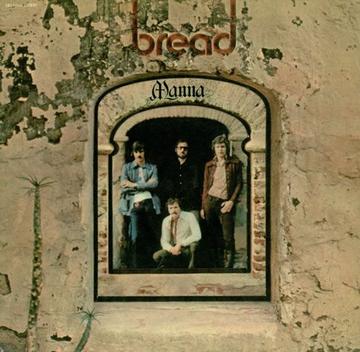
Manna – Super Hot Versus White Hot

Hot Stamper Pressings of Great Sounding Pop Albums Available Now

Back in the mid- to late-2000s, we felt we owed our Hot Stamper customers a more complete picture of the good and bad qualities we heard in our shootout for practically every record we played.

The idea was that the buyer could listen along for what the record was doing well and what it might not be doing so well. If you noticed that the top end was a little soft, well, that’s what we might have heard too. We would put that shortcoming, and any others we thought worth mentioning, right there in the listing.

Over the years, in order to avoid having to write every listing from scratch, we streamlined the process and dropped the criticisms.

Below you can see a typical example of an older listing. This is how we used to recognize when a record was Super Hot as opposed to White Hot.

This commentary on the famous recording of The Firebird with Dorati discusses the same issues in more depth.

Side One

A++, with good balance and lots of rockin’ energy. It’s transparent — just listen to how clear the drums are on the first track. It’s a bit dry and doesn’t have all the top end extension of the best, so Super Hot is a fair grade we think.

(more…)

The Said and the Unsaid – The Firebird on Mercury

Hot Stamper Pressings of the Music of Igor Stravinsky Available Now

For our shootout years ago of The Firebird we had three minty, potentially hot copies of the Mercury with Dorati, as well as our noisy ref. (We have a noisy reference copy for just about every major title now. We have been doing these shootouts for a very long time. After thirty years in the record business we have accumulated a World Class collection of great sounding records that are just too noisy to sell.)


UPDATE 2024 

This is no longer true. Our customers seem to be able to put up with surface noise on the records we offer if the price is low enough. Not actually low, just low enough. We have a section for records with condition issues, and there are 175 entries in it as of today, which turns out to be more than a quarter of all the Hot Stamper pressings on the site as a matter of fact.


We had one FR pressing and two of the later pressings with the lighter label, the ones that most often come with Philips M2 stampers. This is how we described the winner:

So clear and ALIVE. Transparent, with huge hall space extending wall to wall and floor to ceiling. Zero compression.

Lifelike, immediate, front row center sound like few records you have ever heard.

Rich, sweet strings, especially for a Mercury. This side really gets quiet in places, a sure sign that all the dynamics of the master tape were protected in the mastering of this copy.

What we didn’t say — and what we never say in the listings — is what the second tier copies didn’t do as well as the shootout winner.

We used to. When you read the older entries, most of the time they mention the shortcomings that caused one side or another to be downgraded by some amount, usually something like a half to a full plus.

Not all the top end, not all the bass, not as present, slightly smeary, slightly congested — the list of potential faults for any given pressing is long indeed. These are all the problems we listen for and it’s the rare copy that doesn’t suffer from one or more of them.

We decided years ago that it was better just to let you hear the two sides of the record for yourself and make your own judgments about the sound, rather than make clear to you what areas we felt needed improvement.

Consider this example. If on our system the bass was lacking compared to the very best, perhaps on your system the bass was fine, not an issue, good enough. Without the top copy to compare yours to, how would you know how much better the bass could possibly be?

A classic case of “compared to what?

Shootouts are the only way to answer that question, which, as we never tire of saying, is THE most important question in all of audio. This is why we do shootouts, and why you must do them too, if owning the highest quality pressings is important to you.

Click on the following link to see more records for which we’ve detailed the strengths and weaknesses of a specific copy.

What We Heard on The Firebird

With all that in mind, only the Triple Plus (A+++) copy, as described above, did everything right.

There were two Double Plus (A++) copies, and each of them fell short in different ways.

(more…)