 Hot Stamper Pressings of the Music of The Moody Blues Available Now
Recently we played an early UK pressing that boasted two seriously good sounding sides.
It was huge and spacious, as well as wonderfully Tubey Magical. To our way of thinking, if that isn’t exactly the way the band wanted to sound in 1970, we can’t imagine what would be.
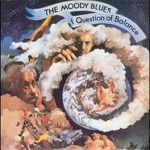
A Question of Balance has some of the best Moody Blues sound we’ve ever heard – it’s a truly exceptional recording in their canon. And it includes the big hit “Question,” one of the all time greats by the band.
Achieving just the right balance of “Moody Blues Sound” and transparency is no mean feat.
- You have to be using the real master tape for starters.
- Then you need top end extension, a very rare quality on these imports.
- Finally, you need good bass definition to keep the bottom end from blurring and bleeding into the midrange.
No domestic copy in our experience has ever had these three qualities, and only the best of the British imports (no Dutch, German or Japanese need apply) manages to get all three on the same LP.
Allow me to steal some commentary from a Moody Blues Hot Stamper shootout we did years ago, for the wonderful In Search of the Lost Chord, in which we said that, on the best Hot Stamper pressings, the clarity and resolution come without sacrificing the Tubey Magical richness, warmth and lushness for which Moody Blues recordings are justifiably famous.
Typically
Moody Blues albums are typically murky, congested and dull. Listening to the typical copy you’d be forgiven for blaming the band or the recording engineer for the problem, but copies like this tell a different story.
Of course the album is never going to have the kind of super clean, high-rez sound some audiophiles prize, but that’s clearly not what the Moody Blues were aiming for. It isn’t about picking out individual parts or deciphering the machinery of the music with this band.
It’s all about lush, massive soundscapes, and for that this is the kind of sound that works the best.
Domestic Moody Blues LPs
If you’ve ever done a shootout between domestic pressings of the Moody Blues and good imports, you know that the imports just kill the American LPs. Domestic pressings are cut from sub-generation tapes, which means they tend to sound more smeary, yet they’re also thinner, brighter and more transistory.
(more…)