 Hot Stamper Pressings of Living Stereo Recordings Available Now
As painful as it may be for us to admit it, sometimes the conventional wisdom turns out to be right!
For RCA classical and orchestral recordings, collectors have long held that the earliest pressings on the Shaded Dog label, in stereo, pressed in Indianapolis, tend to be the best sounding. That qualifier “tend” may not be necessary — plenty of audiophiles think they simply are better sounding, no question about it.
Maybe. If we tallied all the copies we’ve played and created a very large spreadsheet using the data, perhaps we could give you a better answer than “maybe,” but we’ve definitely never tallied them up and have no plans to do so. It sounds like a lot of work.
We are not revealing what record had these stampers and earned these grades for the simple reason that we rarely if ever give out the specific information that identifies the best sounding pressing of any album.
As I’m sure you can understand, we want you to buy the copy with the Hottest Stampers from us, not find one on your own! We’re happy to be somwhat helpful, but naturally we find it necessary to draw the line somewhere, and giving out “the shootout winning stampers” are where we choose to draw it.
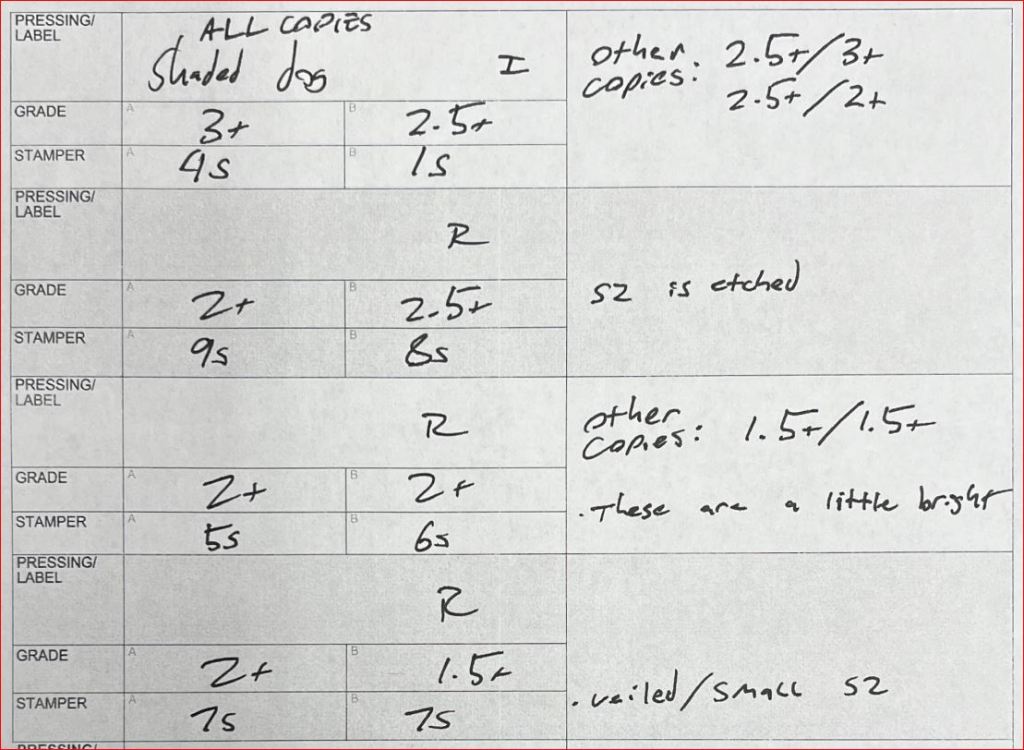
You can be sure, based on our most recent shootout for this mystery RCA title, that in future we will focus our efforts on the Indianapolis pressings and avoid the Richmond pressings unless they are cheap and minty.
When the conventional wisdom turns out to be correct, in other words, when it comports with reality, at least for the seven copies of this album that we played, we are happy to temporarily put aside our skepticism and learn from what this title is trying to tell us.
Why? Because the experimental evidence supports it.
The reality is that most of the time we are not able to predict which stampers will win a shootout before we actually sit down to play all our copies.


 Hot Stamper Pressings of Living Stereo Recordings Available Now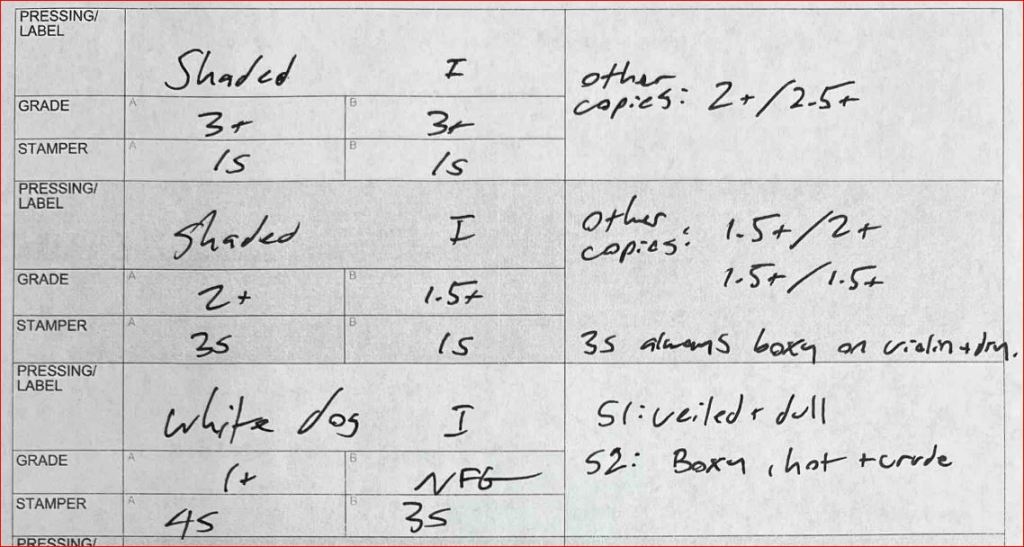
 Hot Stamper Pressings of Blue Note Albums Available Now