Hot Stamper Pressings of the Music of Beethoven Available Now
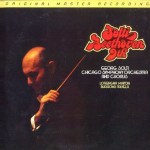
MoFi took the shortcomings of a mediocre-at-best Decca recording from 1972 and made them even worse by means of their ridiculously misguided mastering decisions and wacky cutting system.
They should not have chosen this performance of the Ninth Symphony in the first place, and they certainly should not have added the treble they chose to add, which they did to this title and to every classical recording they remastered without regard to whether or not the recording needed brightening. None that I know of did. Try telling that to the brain trust running MoFi.
(They hired this guy to do their one-step digitally remastered pressings and from the get-go he’s been giving audiophiles the most ridiculously phony sounding records that collectors with way too much money can buy.)
The Decca recording of the Ninth from 1972 is opaque, lacks size and space, and comes off as a bit flat and dry.
Like practically every later Decca pressing we play, it’s passable at best.
Londons and Deccas from this era (1972 in this case) rarely sound very good to us.
Here is what we specifically don’t like about their sound.
If you want to know what’s wrong with the Mobile Fidelity pressing, take the above faults and add some others to them.
Start with an overall brighter EQ, add a 10k boost for extra sparkly strings, the kind that MoFi has always been smitten with, and finish with the tubby bass caused by the half-speed mastering process itself.
Voila! You are now in the presence of the kind of mid-fi trash that may have fooled some audiophiles way back when but now sounds as wrong as the records this ridiculous label is still making today.
Here are some other pressings with bright string tone that are best avoided by audiophiles looking for top quality sound.
1981 Was a Long Time Ago
Old school audio systems are notorious for being dark, dull and lacking in transparency. They might need bright records in order to sound good, but high quality modern systems do not.
If these two MoFi pressings sounds right to you, you are very likely living with one of those old school systems and it is long past time to get rid of it.
(more…)

 More Hot Stamper Pressings of Digital Recordings with Audiophile Quality Sound