dubby-tracks

This is a list of records wherein one or more tracks on the album, typically the “hit single,” do not sound as good as the others.

Listening in Depth to In Search Of The Lost Chord

More of the Music of The Moody Blues

Achieving just the right balance of Tubey Magical, rich but not too rich “Moody Blues Sound” is no mean feat.

You had better be using the real master tape for starters.

Then you need a pressing with actual extension at the top, a quality rarely found on most imports.

Finally, good bass definition is essential; it keeps the bottom end from blurring the midrange.

No domestic copy in our experience has ever had these three qualities, and only the best of the imports manages to combine all three on the same LP.

On the best of the best the clarity and resolution comes without a sacrifice in the Tubey Magical richness, warmth and lushness for which the Moody Blues recordings are justifiably famous.

In our experience the best LPs are correct from top to bottom, present and alive in the midrange, yet still retain the richness and sweetness we expect from British Moody Blues records. They manage, against all odds, to remove the sonic barriers put up by most pressings of the Moodies’ unique music.

Who knew, after so many years and so many bad records, that such a thing was even possible?

Side One

Departure

Ride My See-Saw

The beginning of this track is fairly quiet and noise will be audible behind the music. Side two will suffer likewise.

Also, for some reason this track tends to not sound as good as those that follow. We had never really noticed that effect before but during a shootout many years ago it became obvious that the real Moody Magic starts with track two.

Dr. Livingstone, I Presume?

This is THE key track for side one. The chorus “we’re all searching…” can sound shrill and hard on some copies. When it sounds ABSOLUTELY MAGICAL, you almost certainly have a very Hot Stamper side one.

(more…)

Diamond Dogs Is Another Album with Dubby Sound for the Hit

Hot Stamper Pressings of the Music of David Bowie Available Now

Both sides are really rich and sweet with especially Tubey Magical guitars. 1984 (a favorite of ours on David Live) sounds great here. In addition to singing, the man handles sax, Mellotron, and Moog duties on the album, and, most surprisingly, plays practically all of the electric guitar parts.

The title song of course sounds quite good. Rebel Rebel unfortunately does not — we get the feeling that the master tape for that song was used for the single and the album version was made from a dub. Still, it’s better here than it would be elsewhere.

(more…)

Paul Simon – There Goes Rhymin’ Simon

More Paul Simon

More Rock and Pop


  • A vintage Columbia stereo pressing of Simon’s third solo album with solid Double Plus (A++) grades or close to them on both sides
  • The sound is big, warm and full-bodied (particularly on side two) – it’s much more present and clear, and not nearly as harsh or gritty as far too many of the copies we played were
  • Great songs including “Kodachrome,” “Loves Me Like a Rock,” “Was a Sunny Day” (and you probably know most of the other 7)
  • 5 stars: “Retaining the buoyant musical feel of Paul Simon, but employing a more produced sound, There Goes Rhymin’ Simon found Paul Simon writing and performing with assurance and venturing into soulful and R&B-oriented music.”
  • If you’re a Paul Simon fan, this has to be considered a Must Own Title of his from 1973.
  • The complete list of titles from 1973 that we’ve reviewed to date can be found here.

Most pressings don’t have anywhere near this kind of openness and transparency — and they don’t have this kind of richness or warmth either. It’s a real treat to hear these great songs finally get the sound they deserve.

On most pressings, Simon’s voice is a spitty, gritty mess — sure it’s present, but where is the sweetness and warmth?

Well, as a copy like this proves, more of those qualities made it to the tape than you might think

(more…)

Listening in Depth to Bookends

More of the Music of Simon and Garfunkel

Musically side two is one of the strongest in the entire Simon and Garfunkel oeuvre (if you’ll pardon my French). Each of the five songs could hold its own as a potential hit on the radio, and there is no filler to be found anywhere. How many albums from 1968 can make that claim?

The estimable Roy Halee handled the engineering duties. Not the most ‘natural” sounding record he ever made — the processing is heavy handed on a number of tracks — but that’s clearly not what neither he nor the duo were going for.

If you want natural, Parsley, Sage, Rosemary and Thyme has what you are looking for. That said, as of 2022 both are Top 100 Titles.

The three of them would obviously take their sound much farther in that direction with the Grammy winning Bridge Over Troubled Water from 1970.

The bigger production songs on this album have a tendency to get congested on even the best pressings, which is not uncommon for four track recordings from the 60s. Those of you with properly set up high-dollar front ends should have less of a problem than some. $3000 cartridges can usually deal with this kind of complex information better than $300 ones.

But not always. Expensive does not always mean better, since painstaking and exacting setup is so essential to proper playback.

The Wrecking Crew provided top quality backup, with Hal Blaine on drums and percussion, Joe Osborn on bass and Larry Knechtel on piano and keyboards.


Side One

Bookends Theme
Save the Life of My Child

I used to think this track would never sound good enough to use as an evaluation track. It’s a huge production that I’d found practically impossible to get to sound right on even the best original copies of the album. Even as recently as ten years ago I had basically given up trying.

Thankfully things have changed. Nowadays, with great copies at our disposal and a system that is really cooking, virtually all of the harmonic distortion in the big chorus near the opening disappears. It takes a very special pressing and a very special stereo to play this song.

(more…)

Crosby, Stills and Nash – You Do the Best You Can with What You’ve Got to Work With

Hot Stamper Pressings of the Music of Crosby, Stills and Nash Available Now

The founding members of CSN chose the Albert brothers to engineer this 1977 reunion.

Their most famous album is Layla. Ever heard a great sounding Layla? Me neither. Can you hear the sound of Layla in your head? That’s more or less what this album sounds like. There are better and worse Layla’s — we’ve done the shootout many times — just as there are better and worse CSNs, but we have never played amazing Demo Disc pressings of either and I doubt we ever will.

The problem with the sound cannot be “fixed” in the mastering, and here’s how we know: on either side some songs have wonderful sound — the midrange magic, the “breath of life” that makes the first Crosby, Stills and Nash album such a special listening experience — and some don’t.

That’s a recording problem.

It sounds like too many generations of tape were used on songs like Shadow Captain and Dark Star, among others.

But Just a Song Before I Go on side two can sound wonderful: rich, sweet, present and surrounded by lovely studio ambience.

So we listen for the qualities of a specific song that help us pinpoint what the best copies do well and the rest do less well and grade them accordingly, on a curve.

Animals will never sound like The Wall. You do the best you can with what you’ve got to work with.

(more…)

That’s the Way of the World – The Hit Is Made from a Dub Tape

More of the Music of Earth, Wind and Fire
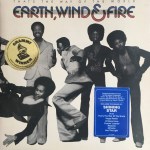
We’re pretty sure that the first track on side one, Shining Star, is made from a dub tape, a common occurrence with planned hit singles. The rest of the songs on side two are a step up in class; when you play the side, see if you don’t hear some veiling and smearing on Shining Star, both of which are good indications of a dubby tape.

These are problems we hear in the sound of practically all the Heavy Vinyl pressings that, let’s be honest, we waste our time auditioning, which leads us naturally to conclude that they are not really made from master tapes, but high quality analog dubs or high-rez digital masters. Some of course sound better than others, but none will ever sound the way this copy does.  (more…)

Wildflowers – Sometimes the Hits Are Mastered from Sub-Generation Tapes…

More of the Music of Judy Collins

And there’s not much you can do about it.

Both Sides Now, the Top Ten hit that finally put Judy on the map, is clearly made from a copy tape and doesn’t sound as good as the songs that follow it on side two. Hey, it happens, and I suspect it happens more often than most audiophiles think. I would wager that back in the day most people who bought this album never even noticed.

One thing I’ve noticed about audiophiles over the years is that they’re pretty much like most people.

The difference of course is that they call themselves audiophiles, and audiophiles are supposed to care about sound quality.

They may care about it, but are they capable of evaluating high quality sound? What is the evidence for the affirmative in this proposition?

Are they actually capable of critical listening?

Do they listen critically enough to notice a dubby track on an otherwise good sounding record when they hear it?

Or dubby sound in general?

Or to notice that one side of a record often sounds very different from another?

Or that some reissues sound better than the originals of the album?

(more…)

Listening in Depth to Sounds of Silence

More of the Music of Simon and Garfunkel

Presenting another entry in our extensive Listening in Depth series with advice on what to listen for as you critically evaluate your copy of Sounds of Silence. Here are some albums currently on our site with similar Track by Track breakdowns.

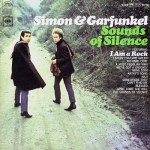
Sounds of Silence is made from a second generation tape, as we explain below. Since we listen to all the records we sell, we like to point out such things so our customers know what they are getting.

This album is the proverbial tough nut to crack, a mix of folkie tracks and ambitious big production numbers, all recorded on a four track machine and bounced down maybe just a few too many times along the way. Some got handed a troublesome case of Top 40 EQ — hey, this is 1965, it’s the way they thought pop records should sound.

But many of the best tracks survived just fine. They can sound wonderful, it’s just that they rarely do. This is precisely where we come into the picture.

The key to good sounding pressings of this record is to look for the ones with a top end. Now of course you can’t see the top end when you buy the record. But most of the copies of this album you pick up are going to sound like cassettes. There won’t be much over 8K, and that means hard, harsh, transistor radio sound. You need extended highs to balance out the upper midrange.

(more…)

Another Dirty Little Secret of the Record Biz

More of the Music of Traffic

For our current take on the sound of the various labels and stampers for Mr. Fantasy and The Best of Traffic, please click here.

Let’s talk about hits that are made from dubbed tapes.

The sound of some songs on some greatest hits albums can be better than the sound of those very same songs on the original pressings.

How can that be you ask, dumbfounded by the sheer ridiculousness of such a statement?

Well, dear reader, I’ll tell you. It’s a dirty little secret in the record biz that sometimes the master for the presumptive Hit Single (or singles) is pulled from the album’s final two track master mix tape and used to make the 45 single, the idea being that the single is what people are going to hear on the radio and want to buy. Or, having heard it sound so good on the radio, go out and buy the album.

One way or another, it’s the single that will do the selling of the band’s music. This is clearly the case with Mr. Fantasy on the original UK Island pink label pressing. (Some of the other pink label Island pressings that never win shootouts can be found here.)

A dub is then made of the tape that was used to cut the 45 and spliced back into the album master, so that the single (or singles) is one generation down from the master for the other songs on the side.

This explains why the hit single from so many albums is often the worst sounding song on the album — it’s the one most likely to suffer from bad radio EQ and distorted, smeary, sub-generation sound.

(more…)

Mercury Stereo Sampler Vol. 1 (SRD-1)

Mercury Pressings Available Now

This Mercury Sampler has SUPERB Super Hot Stamper sound on side one, or better — who knows if this isn’t as good as it gets? We can’t find enough clean copies to test so we’re sticking with A++ or better just to be safe.

Either way, this is the BIG, BOLD classic Mercury sound.

Let’s Dance – David Carroll – from Let’s Dance (SR-60001) has the sweet Tubey Magic of the best Living Stereos and the percussion excitement of Bang Baa-room and Harp.

Not every song on side one is a knockout but some of them certainly are, making this a top quality Variety Demo Disc.

Tracks two and three on side one are great, but there may be others you will like equally well.

Side two earned a single plus grade (A+); some of it sounds like it’s made from sub-gen tapes. The Gershwin comes off pretty well with a solid clear piano.

Side One

Rhapsodero – Richard Hayman – from Havana in Hi-Fi (SR-60000)
Let’s Dance – David Carroll – from Let’s Dance (SR-60001)
Rain On The Roof – Dick Contino – from It’s Dance Time (SR-60006)
Birth Of Passion – Clebanoff – from Moods in Music (SR-60005)
The Lady Is A Tramp – Griff Williams – from America’s Most Danceable Music (SR-60007)
Autumn In Rome – Patti Page – from Let’s Get Away from It All (SR-60010)

Side Two

Anderson – Sleigh Ride – The Eastman-Rochester Pops Orchestra – Frederick Fennel – from SR-90009
Prokofiev – March From The Love for Three Oranges – The London Symphony Orchestra – Antal Dorati – from SR-90006
Rhapsody In Blue (Portion) – Eugene List – The Eastman-Rochester Symphony Orchestra – Howard Hanson – from SR-90002
Funky Drums – Pete Rugolo – from Percussion at Work (SR-80003)
Rose Room – Terry Gibbs – from Allen’s All Stars (SR-80004)
Like Someone In Love – Sarah Vaughan – from Sarah Vaughan at the London House (SR-60020)