1959-must-jazz

Ben Webster – Soulville

  • A vintage Verve Two-Fer set with very good Hot Stamper sound or BETTER on all FOUR sides
  • Unlike the Speakers Corner version from a few years back, this is the real thing, mastered by real pros, not audiophiles
  • This reissue combines the albums Soulville and Ben Webster Meets Oscar Peterson
  • With rave reviews for both albums, AMG lauds Soulville as, “one of the highlights of that golden 50s run,” and notes Ben Webster Meets Oscar Peterson is “one of the jazz legend’s all-time great records.”

(more…)

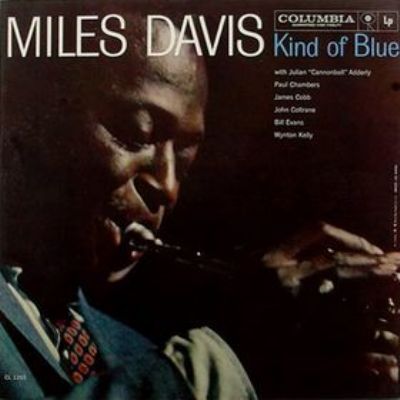
Miles Davis – Kind of Blue on a Killer 70s Red Label Pressing

More Miles Davis

  • With two solid Double Plus (A++) sides, this Red Label pressing has Demo Disc sound – sound that’s guaranteed to make you want to take all of your remastered pressings and dump them off at the Goodwill
  • After auditioning a Hot Stamper Kind of Blue like this one – a pressing that captures the sound of this amazing group like nothing you have ever heard – you may be motivated to add a hearty, “Good riddance to bad audiophile rubbish!”
  • KOB is the embodiment of the big-as-life, spacious and timbrally accurate 30th Street Studio Sound Fred Plaut was justly famous for
  • Space, clarity, transparency, and in-the-room immediacy are some of the qualities to be found on this pressing (particularly on side one)
  • It’s guaranteed to beat any copy you’ve ever played, and if you have the new MoFi pressing, please, please, please order this copy so that you can hear just how screwy the sound of their ridiculous remaster is
  • 5 stars: “KOB isn’t merely an artistic highlight for Miles Davis, it’s an album that towers above its peers, a record generally considered as the definitive jazz album, a universally acknowledged standard of excellence.”
  • If you’re a fan of the music Davis, Adderley and Coltrane were playing circa 1959, this album clearly belongs in your collection

The Labels of Kind of Blue

The 6 Eye label domestic stereo pressings win our shootouts, in the case of Kind of Blue without exception.

The 360 label pressings, black print (1962-63) or white print (1963-70), as well as the rare 70s red label (1970-?), can sound very good, but they never win shootouts.

We’ve identified a select group of reissues with the potential to do well in shootouts, typically earning a grade of Super Hot (A++) when up against the best originals, which earn our top grade, White Hot (A+++). Kind of Blue is one of those recordings.

Scores of differently mastered versions have been cut over the years, but to find one that’s lively and dynamic yet still communicates the relaxed nature of this music is a trick that few of them can pull off. These sides did just that.

When the band really starts cutting loose on “So What,” you’re going to lose your mind! The sound is open and spacious with a wonderful three-dimensional quality that gives each musician a defined space. You can easily tune in to one player or another and follow their contribution as the band stretches out.

Quick Listening Tests

This is an easy one. Just listen to the trumpet at the start of Freddie Freeloader. Most copies do not properly reproduce the transient information of Miles’ horn, causing it to have an easily recognizable quality we talk about all the time on the site: smear. No two pressings will have precisely the same amount of smear on his trumpet, so look for the least smeary copy that does everything else right too. (Meaning simply that smear is important, but not all-important.)

On All Blues (track one, side two), the drums in the right channel are key to evaluating the sound of the better copies. The snare should sound solid and fat — like a real snare — and if there is space in the recording on your copy you will have no trouble hearing the room around the kit.

[The drums are precisely where one of the major faults of the disastrous MoFi 2 LP 45 RPM pressing can be heard. A fuller review is coming, soon I hope!}

Next check the cymbals. No two copies will get the cymbals to sound the same, so play a few and see which ones sound the most natural to you. The most natural will be the one with the best top end.

When Adderley comes in hard left, his alto should not be thin, squawky or stuck in the speaker. The best of the best copies have the instrument sounding full-bodied (for an alto) and reedy. The reedy quality tells you that your pressing is highly resolving and not smeared.

(more…)

Shelly Manne & His Friends – Bells Are Ringing

More of the Music of Shelly Manne

  • An early Contemporary pressing with solid Double Plus (A++) grades or BETTER on both sides – exceptionally quiet vinyl too
  • Side two was sonically very close to our Shootout Winner – you will be amazed at how big and rich and tubey the sound is
  • This copy makes it clear that this is a Demo Disc quality recording for Contemporary, and that’s saying a lot
  • It’s also our favorite jazz piano performance by Andre Previn on record
  • Only a handful of copies of this title have made it on the site in the last few years – finding them in audiophile condition is getting harder (and more expensive) than ever these days
  • “Previn’s piano is the lead voice and his virtuosity, good taste, melodic improvising, and solid sense of swing are chiefly responsible for the music’s success.”

I have a very long history with this album, going back decades. My friend Robert Pincus first turned me on to the CD, which, happily for all concerned, was mastered beautifully. We used it to test and tweak all the stereos in my friends’ systems.

Playing the original stereo record, which I assumed must never have been reissued due to its rarity (I have since learned otherwise), all I could hear on my ’90s all tube system was blurred mids, lack of transient attack, sloppy bass, lack of space and transparency, and other shortcomings too numerous to mention that I simply attributed at the time to vintage jazz vinyl.

Well, things have certainly changed. I have virtually none of the equipment I had back then, and I hear none of the problems with this copy that I heard back then on pressing I owned. This is clearly a different LP (I sold off the old one years ago) but I have to think that much of the change in the sound was a change in cleaning, equipment, tweaks and room treatments, all the stuff we prattle on about endlessly on the site.

In other words, if you have a highly-resolving modern system and a good room, you should be knocked out by the sound of this record. I sure was.

(more…)

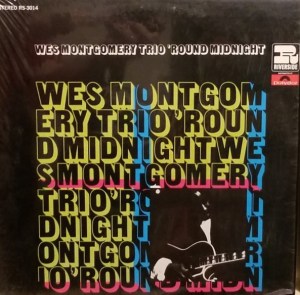
Wes Montgomery Trio – Self-Titled aka ‘Round Midnight

More Wes Montgomery

More Jazz Recordings Featuring the Guitar

  • Boasting INCREDIBLE Shootout Winning Triple Plus (A+++) sound or close to it throughout, this copy is practically as good as we have ever heard
  • These sides are rich and full-bodied but clear and spacious – the 1959 All Tube Analog sound is perfect for Wes’s organ trio format
  • For some reason, the guitar sound from this era of All Tube Chain Recording seems to have died out with the times – it can only be found on the best of these vintage pressings, such as this one
  • 4 stars: “Montgomery’s style, block chords and octaves, is already firmly in place, and he delivers lovely solos on ‘Round Midnight,’ ‘Whisper Not,’ and ‘Satin Doll.’ The choice of material, in fact, from classics like ‘Yesterdays’ to originals like Montgomery’s ‘Jingles,’ never falters.”

(more…)

Cecil Taylor Quartet – Looking Ahead!

More Jazz Recordings Featuring the Piano

More Contemporary Label Jazz Recordings

  • Looking Ahead! is back on the site for only the second time in years, here with incredible Nearly Triple Plus (A++ to A+++) sound from start to finish – just shy of our Shootout Winner
  • We play a lot of vintage Contemporary recordings, but this one surprised us right from the first track with sound that stands out — this on a label that produced many of our favorite standout recordings
  • Both of these sides are clean, clear, and transparent, with an abundance of energy and wonderful clarity in the mids and highs
  • This is not an easy record to come by, as evident by how long it took us to get our most recent shootout going, and they usually don’t sound anywhere near this good when you manage to track one down
  • 4 1/2 stars: “It’s an amazing document of a talent fairly straining at the reins, a meteor about to burst onto the jazz scene and render it forever changed.”

These Nearly White Hot Stamper pressings have top-quality sound that’s often surprisingly close to our White Hots, but they sell at substantial discounts to our Shootout Winners, making them a relative bargain in the world of Hot Stampers (“relative” meaning relative considering the prices we charge). We feel you get what you pay for here at Better Records, and if ever you don’t agree, please feel free to return the record for a full refund, no questions asked.

This vintage Contemporary pressing has the kind of Tubey Magical Midrange that modern records can barely BEGIN to reproduce. Folks, that sound is gone and it sure isn’t showing signs of coming back. If you love hearing INTO a recording, actually being able to “see” the performers, and feeling as if you are sitting in the studio with the band, this is the record for you. It’s what vintage all analog recordings are known for — this sound.

(more…)

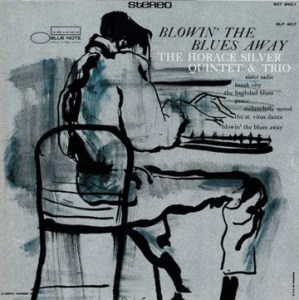
Horace Silver – Blowin’ The Blues Away

More Horace Silver

More Albums on Blue Note

  • Stunning sound throughout this original Blue Note Stereo pressing, with both sides earning Nearly Triple Plus (A++ to A+++) grades – just shy of our Shootout Winner
  • A Must Own from Horace Silver, with the kind of sound that only the best vintage pressings can offer
  • If you don’t know his music, this is a good place to start
  • Another triumph for engineering maestro Rudy Van Gelder – he refined a “live-in-the-studio” jazz sound that still sounds fresh to this day, even after 65 years
  • 4 1/2 stars: “Blowin’ The Blues Away is one of Horace Silver’s all-time Blue Note classics, only upping the ante established on Finger Poppin’ for tightly constructed, joyfully infectious hard bop… one of Silver’s finest albums, and it’s virtually impossible to dislike.”
  • If you’re a fan of Silver’s, this 1959 album belongs in your collection, along with quite a few others, if only we could fine them
  • The complete list of titles from 1959 that we’ve reviewed to date can be found here.

The really good RVG pressings (often on the later labels) sound shockingly close to live music — uncompressed, present, full of energy, with the instruments clearly located on a wide and often deep soundstage, surrounded by the natural space and cool air of his New Jersey studio. As our stereo has improved, and we’ve found better pressings and learned how to clean them better, his “you-are-there” live jazz sound has come to impress us more and more. (more…)

Dave Brubeck – Time Out

More of the Music of Dave Brubeck

  • This Six-Eye Stereo pressing boasts out of this world Demo Disc sound
  • Time Out captures the ambience and huge space of Columbia’s studio like practically no other record has (with a little reverb thrown in for good measure)
  • A knockout pressing of Brubeck’s astonishingly well recorded Jazz Classic, this is a record that belongs in every audiophile’s collection
  • Early stereo LPs in clean condition like this one are getting awfully tough to find nowadays…
  • “Buoyed by a hit single in Desmond’s ubiquitous Take Five, Time Out became an unexpectedly huge success, and still ranks as one of the most popular jazz albums ever. That’s a testament to Brubeck and Desmond’s abilities as composers, because Time Out is full of challenges both subtle and overt — it’s just that they’re not jarring.”
  • If you’re a fan of Brubeck and company, this 1959 album belongs in your collection, along with quite a few others from the classic jazz era

(more…)

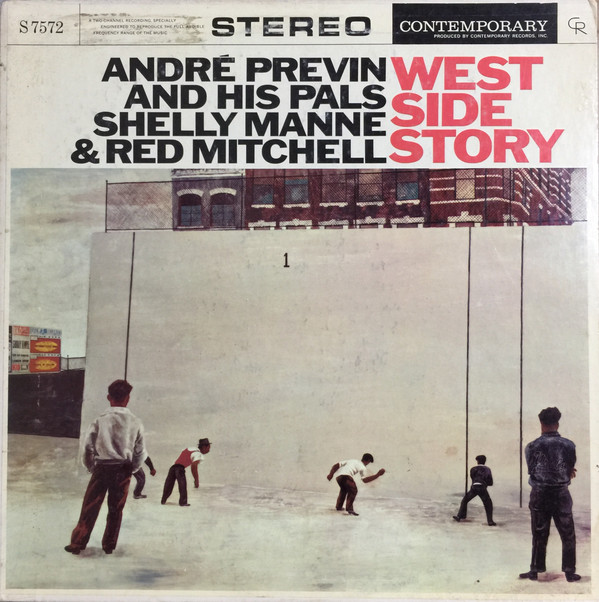
Andre Previn & His Pals – West Side Story

Contemporary Jazz Records Available Now

Reviews and Commentaries for Contemporary Jazz

  • Previn’s stellar piano trio finally returns to the site with jazzy interpretations of the best songs from West Side Story, with STUNNING Shootout Winning Triple Plus (A+++) sound throughout
  • You win shootouts with this kind of All Tube Analog sound – warm, natural, lively and clear, with solid support down low, a nicely extended top and a huge three-dimensional soundfield
  • We had pressings on the black label, on the green label, and on the yellow label, and the person who ends up with this fantastic copy will know for sure which label sounds best, because he will be the owner of the best sounding copy
  • Andre Previn and his friends take eight classic tunes from West Side Story – it would be hard to imagine having better material to work with in a jazz setting
  • 4 stars: “The last of a series of showtune albums recorded by the trio finds the all-star group focusing on the music of West Side Story… As usual, the melodies are treated respectfully yet swingingly, and Andre Previn in particular excels in this setting. Recommended.”

One of Previn’s best piano trio records, this album was recorded in 1959 by Roy DuNann while at the height of his engineering powers.

The two Must Owns from his many sessions at Contemporary are this album and Bells Are Ringing. We are not aware of any of his jazz piano albums on other labels being much better than passable and most are not worth picking up at any price. Believe me, we’ve tried. The one exception I can think of is Four to Go on Columbia. It’s pretty good. Not in the same league as his Contemporary recordings by a long shot, but better than most of his output from the ’60s.

For both the albums mentioned above the Black Label originals in stereo are the best way to go, but finding them in clean audiophile playing condition is no walk in the park, which is the main reason it takes us about four years to do a shootout for either title.

The Piano Is Key

On the best copies of the album, the sound of the piano is solid, full-bodied, with both weight and warmth, just like the real thing. The copies of the album with a piano that sounded lean or hard always ended up having problems with the other instruments as well. (This should not be surprising; the piano was designed to be the single instrument most capable of reproducing the sound of an entire orchestra.)

(more…)

Chet Baker – Chet

More of the Music of Chet Baker

  • This wonderful album of ballads has Mile Davis’ rhythm section supporting Chet, as well as contributions from other greats such as Kenny Burrell and Bill Evans
  • These guys are playing live in the studio and, on a copy that sounds this clear, you can really feel their presence on every track
  • This Chet Baker record belongs in any serious jazz collection, and for you audiophiles out there, prepare to be shocked when you play this copy against your Heavy Vinyl pressing, no matter which one you have
  • “…this Riverside issue captures the gifted but troubled trumpeter at his best. It might even qualify as Baker’s most satisfying and representative recording.”

Chet is one of the best sounding Chet Baker records we’ve ever played, although that’s not saying much because finding good Chet Baker records is like finding hen’s teeth these days.

The albums he did for Pacific Jazz in the ’50s can be wonderful, but few have survived in audiophile playing condition.

The Mariachi Brass albums are as awful as everyone says — we know, we’ve played them, too. The album he recorded for CTI in 1974, She Was Too Good To Me, is excellent and will be coming to the site again soon I hope.

We’d never heard the album Chet sound better than in our most recent shootout, and that’s coming from someone who’s been playing it since it was first reissued in the ’80s.

The less said about the awful Doug Sax remastering for Analogue Productions in the mid-’90s the better. What a murky piece of crap that was. Audiophile reviewers may have been impressed, but even way back then we knew a bad sounding record when we played one, and that pressing is very bad indeed.

One further note: the Heavy Vinyl pressings being made today, decades later, have a similar suite of shortcomings, sounding every bit as bad if not worse, and fooling the same audiophile reviewers and their followers to this very day. Nothing has changed, other than we have come along to offer the discriminating audiophile an alternative to the muddy messes these labels have been churning out.

Like this one!

Based on what we’re hearing, my feeling is that most of the natural, full-bodied, smooth, sweet sound of the album is on the master tape, and that all that was needed to get that vintage sound correctly on to disc was simply to thread up that tape on a reasonably good machine and hit play.

The fact that nobody seems to be able to make an especially good sounding record — certainly not as good sounding as this one — these days tells me that in fact I’m wrong to think that such an approach would work. Somebody should have been able to figure out how to do it by now. In our experience that is simply not the case today, and has not been for many years.

George Horn was doing brilliant — albeit spotty — work for Fantasy all through the 80s. This album is proof that his sound is the right sound for this music.

(more…)

Charles Mingus – Mingus Ah Um

More Charles Mingus

More Vintage Columbia Pressings

  • Boasting seriously good Double Plus (A++) grades or BETTER on both sides, this 6 Eye Stereo pressing is doing just about everything right
  • Teo Macero was the producer and Fred Plaut was the engineer for these sessions in Columbia’s glorious-sounding 30th street studio. It’s yet another remarkable disc from the Golden Age of Vacuum Tube Recording.
  • If you like Kind of Blue, here’s another album with that sound (same year, same studio, same engineer)
  • The rich, sweet, spacious sound of the vintage tubes used to record the session is reproduced faithfully here – without that sound, it would just not be Ah Um
  • Marks and problems in the vinyl are sometimes the nature of the beast with these early pressings – there simply is no way around them if the superior sound of vintage analog is important to you
  • 5 stars: “Mingus Ah Um is a stunning summation of the bassist’s talents and probably the best reference point for beginners… Mingus’ compositions and arrangements were always extremely focused, assimilating individual spontaneity into a firm consistency of mood, and that approach reaches an ultra-tight zenith on Mingus Ah Um”

(more…)