 Hot Stamper Pressings of Rock and Pop Albums Available Now
UPDATE 2024
This commentary was written many years ago. It concerns a subject which does not get nearly enough discussion in the audiophile community: the subject of luck in audio and records.
Back in the 70s I was very lucky to have bought some exceptionally good pressings of albums that quickly became personal favorites and have remained so ever since.
This album and others like it were the reason I chose to keep going deeper into audio, which, to be honest, pretty much sums up my life story.
 No skill was involved in finding these records. No real knowledge either. It was all just dumb luck. Perhaps you will agree with me that much of life seems to work that way.
Silk Degrees
Most copies severely lack presence and top end. Dull, thick, opaque sound is far too common on Silk Degrees, which may account for some audiophiles finding the Half-Speed an improvement.
Despite all the bad sound I found for this album, I kept buying copies of this record in the hopes that someday I would find one that sounded good. I remember playing this record when it came out in 1976 and thinking that it sounded very good. So how is it that all the copies I’m playing sound so bad, or at the very least, wrong?
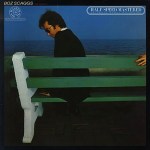 Well, the answer to that question is not too complicated. When you get the right pressing, the sound is excellent.
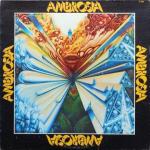
I must have had a good one 40+ years ago, and that’s why I liked the sound. Something similar happened to me with Ambrosia’s first album.
The copy I had picked up at random when I bought the album new in 1976 just happened to have very good stampers. (Keep in mind that we don’t like to call a record Hot until it has gone through the shootout process, a subject we discuss in some depth here.)
When you consider that Hot Stampers for both of those records are pretty unusual, I would say I was very lucky to get good sounding copies of those two masterpieces while everyone around me was buying crap.
 To be clear, when I was buying these records, and even as late as when I wrote this commentary twenty years ago, I had much less revealing components and the much lower standards that go with them.
(The longer I have spent in this hobby, the more obvious it is to me that the two go together. This tendency helps to explain, better than any other single reason — although lots of other things are involved — the audiophile preference for remastered pressings of questionable quality.)
So what do you hear on the best copies?
Well, the first thing you hear is a rich, solid piano, one that’s missing from the CBS Half-Speed and 90% of the non-TML reissues.
The second thing you hear is a smooth, sweet top end, which is likewise missing from the above-mentioned pressings.
This album, like so many recordings from the ’70s, is surprisingly natural sounding for a pop record. I’ve had the same experience with a lot of Billy Joel records from this period — I was surprised to hear how well recorded they were after I stopped listening to the Half-Speeds and the imported pressings and just went back and played good original domestic copies. When you get the right ones, they’re fabulous.
How Bad So-Called “Good” Equipment Used to Be
And these were all the records that we audiophiles were complaining about. We lamented the fact that these pressings weren’t audiophile quality, like the best MoFi’s and Japanese pressings. Can you imagine?!
This is how bad even good equipment was back then.
Of course we got what we deserved. We got lots of phony, hyped-up pressings to fool us into thinking we were hearing better sound, when in fact the opposite was true.
I regret to say that nothing has changed — most pressings aimed at audiophiles are still junk.
Now that record playing technology has been through revolution after revolution, from The Disc Doctor [since replaced by The Prelude Record Cleaning System] to the Triplanar arm, vibration control, modern phono cables, amazingly good moving coil cartridges and phono stages and on and on, these plain old domestic pressings have finally allowed us to hear the magic in their grooves.
Maybe Boz Scaggs is not your thing. But I can tell you this — you will have a hard time finding a better sounding mainstream pop recording from the 70s than a White Hot Stamper pressing of Silk Degrees.
Further Reading