Reprocessed

Mono Reprocessed into Stereo with Good Sound? Really?

Sonny Rollins – Saxophone Colossus

  • With two STUNNING Shootout Winning Triple Plus (A+++) sides, this 60s Gold Label Prestige Mono pressing is certainly as good a copy as we have ever heard
  • An especially good sounding recording and one that we rarely have on the site, and copies in true mono are the rarest of them all
  • The sound is everything that’s good about Rudy Van Gelder‘s recordings – it’s present, spacious, full-bodied, Tubey Magical, dynamic and, most importantly, alive
  • Need I even mention have completely this Hot Stamper pressing will obliterate any and all Heavy Vinyl contenders you may have heard? No? OK, good, I won’t mention it
  • If the drum opening of “St. Thomas” doesn’t do it for you, I don’t know what will
  • Marks in the vinyl are sometimes the nature of the beast with these vintage LPs – there simply is no way around them if the superior sound of vintage analog is important to you
  • 5 stars: “Sonny Rollins recorded many memorable sessions during 1954-1958, but Saxophone Colossus is arguably his finest all-around set… Essential music[.]”
  • This is a Must Own jazz album from 1957 that belongs in every jazz-loving audiophile’s collection

(more…)

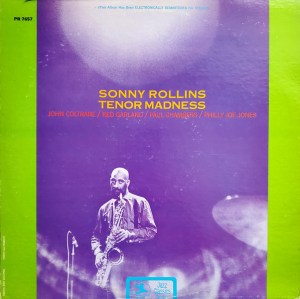
Sonny Rollins / Tenor Madness – On the Prestige Trident Blue Label

  • This KILLER Prestige “not-very-stereo” pressing has super sound on both sides
  • Like many other Prestige “stereo” reissues, if there is any left-right information, you would never know it without checking for it with a pair of headphones
  • In other words, this ’50s mono recording has been mastered in the ’60s to sound like it’s supposed to sound – there’s absolutely nothing artificial or modern here, which makes this a very special pressing indeed
  • Again and again the notes read “solid, big and rich,” and that’s the kind of sound fifty year old records give you, in spades
  • “Tenor Madness was the recording that, once and for all, established Newk as one of the premier tenor saxophonists, an accolade that in retrospect, has continued through six full decades and gives an indication why a young Rollins was so well liked, as his fluency, whimsical nature, and solid construct of melodies and solos gave him the title of the next Coleman Hawkins or Lester Young of mainstream jazz.”
  • If you’re a fan of Sonny’s, this is a Top Title from 1956.

(more…)

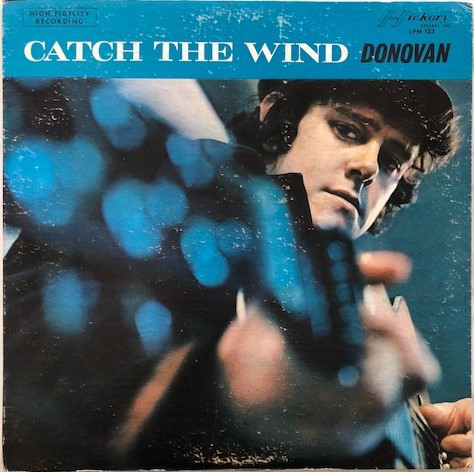
Donovan / Catch The Wind – Superb in Mono (and Pretty Good in Reprocessed Stereo)

Reviews and Commentaries for the Music of Donovan

The sound when summed to mono is natural, with a correct top end. This is some of the best of the early, folky Donovan from 1965.

We were less than impressed with the sound of this electronically reprocessed album in stereo, but were very pleasantly surprised when we hit the mono button on our EAR phono stage. The weird, phasey top end disappeared almost completely on side two, and Donovan’s voice and guitar sounded pretty darn right to us by the second track (the first track on side two is a mess).

If you do not have a mono switch on your phono stage or preamp, this is probably not the right record for you.
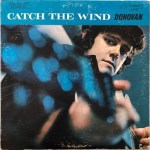
We see a few mono and stereo copies of the album in our travels about town but Donovan records from 1965 have a marked tendency to be scratched if not absolutely trashed.

Finding one that plays this quietly was completely unexpected. It might have been better in mono, but these days we have to be grateful for any early Donovan album on vinyl, especially one that sounds this good on side two.

(more…)

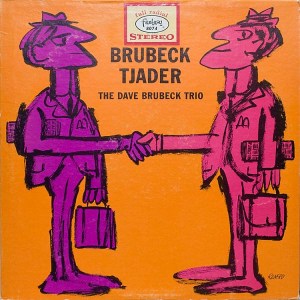
The Dave Brubeck Trio – Brubeck-Tjader

More Dave Brubeck

More Cal Tjader

  • Cal Tjader’s recording debut arrives with STUNNING Shootout Winning Triple Plus (A+++) sound or close to it throughout
  • Compiled from two 10″ discs recorded in mono in 1956, this LP may not be true stereo, but it sounds great to us
  • If you have a mono switch you can hear the single channel version at will, but we actually preferred the better space and width in stereo
  • “Many of the most celebrated Brubeck devices can be heard on these selections: the almost violent shifts from lush lyricism to jagged block chord configurations; the curiously paradoxical intertwining of traditional song materials and advanced (for 1949, at any rate) musical ideas; the dynamic pyramids of sound that begin rather casually and grow to almost unnerving heights…”

(more…)