Hot Stamper Classical and Orchestral Pressings Available Now
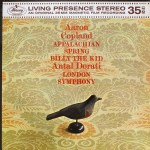
Our notes for SR 90246 read:
Lively and clear but screechy strings. Dry and bright sound.
To help you avoid records with these sonic faults, we’ve linked below to others with similar problems.
Here are some titles we’ve found that tend to have dry sound, and here are some that tend to have bright sound.
And of course shrill strings are the kiss of death on any orchestral record. (Classic Records, I’m talking to you!)
None?
None of the copies of SR 90246 we played were any good, but the RFR3 / RFR6 was the worst of the bunch.
Are there good sounding pressings of the recording?
There may well be. We didn’t hear any, but that doesn’t mean they don’t exist.
However, we have no intention of spending more money trying to find them. If you know of some killer stampers for the album, please shoot us an email.
We tend to like Dorati’s work with the London Symphony Orchestra, but in this case the better Dorati/Copland record was recorded in Minneapolis in 1959, SR 90172.
If You’re a Fan
If you’re a fan of Mercury Living Presence records — and what right-thinking audiophile wouldn’t be? — have you noticed that many of them, this one for example, don’t sound very good?
If you’re an audiophile with good equipment, you should have.
But did you? Or did you buy into the hype surrounding these rare pressings and just ignore the problems with the sound?
There is plenty of hype surrounding the hundreds of Heavy Vinyl pressings currently in print. I read a lot about how wonderful their sound is, but when I actually play them, I rarely find them to be any better than mediocre, and most of them are downright awful.
It seems as if the audiophile public has bought completely into the hype for these modern Heavy Vinyl pressings. Audiophiles have too often made the mistake of approaching these records without the slightest trace of skepticism. How could so many be fooled so badly? Surely some of these people have good enough equipment to allow them to hear how bad these records sound.
I would say Mercury’s track record during the 50s and 60s is a pretty good one, offering (potentially) excellent sound for roughly one out of every three titles or so.
But that means that odds are there would be a lot of dogs in their catalog. This is definitely one of them.
For 38 years we’ve been helping music loving audiophiles the world over avoid bad sounding records.
To see the records with bad sound or bad music we’ve reviewed, click here.
It’s yet another public service from Better Records, the home of the best sounding records ever pressed. Our records sound better than any others you’ve ever heard or you get your money back.
Further Reading