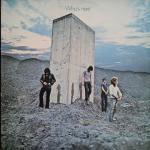
Hot Stamper Pressings of the Music of The Who Available Now
Here is our review from 2005.
After doing our next shootout for Who’s Next in 2007, and replaying the Classic afterwards, we changed our minds about Classic’s version of the album.
Apparently, a surprising amount of audio progress was made from 2005 to 2007, reflected in this review as well as dozens of others.
Looking back, 2007 seems to have been a milestone year for us here at Better Records, although we certainly had no idea at the time that such dramatic changes had been put in motion.
For example, later that same year we swore off Heavy Vinyl (prompted by the less-than-enchanting sound of the Rhino pressing of Blue) and committed ourselves to doing record shootouts of vintage pressings full time. To accomplish this we eventually ended up doubling the staff.
(Cleaning and playing every record you see on our site turned out to very time consuming. No one man band can begin to fathom the complex and random nature of the vinyl LP, which explains why the audiophile reviewers of the world are right about as often as the proverbially stopped clock.)
Live and learn is our motto, and progress in audio is a feature, not a bug, of record collecting at the most advanced levels. (“Advanced” is a code word for having no interest in any remastered pressing marketed to the audiophile community. There is nothing advanced about these deceptively-packaged mediocrities if you have the stereo to reveal their shortcomings. After spending fifty years in audio (1975-2025, we do. )
This is how good Who’s Next sounds these days, when we have them, which is not often.
In 2007 we did a big shootout for Who’s Next, and as is so often the case, the shortcomings of the Heavy Vinyl version were mercilessly revealed when played head to head with The Right Vintage Pressing. (And not the original Track by the way.)
Oddly enough, and contrary to expectation, even the domestic Decca label copies had amazing sound, not just the British Track label pressings I had favored for so long. (To keep from being influenced by biases of any kind, when we do these shootouts the listeners have no idea which pressing they are evaluating.)