1954-all

Also Sprach Zarathustra – Comparing 1954 to 1962

Hot Stamper Pressings of the Music of Richard Strauss Available Now

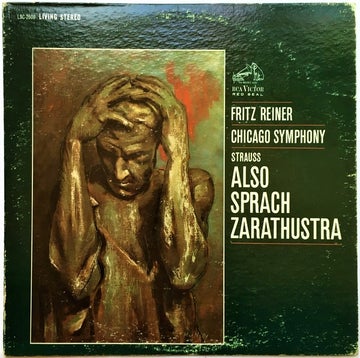
In 2023, we did a very large shootout for LSC 1806 and LSC 2609. LSC 1806 was recorded in 1954 but not released until 1960. It has been on the TAS Super Disc list for a very long time, if not actually from the very beginning. It’s long been considered the definitive recording by TAS Heads for sound and possibly for performance.

LSC 2609 came out in 1962. We prefer it over 1806, as the notes for our shootout make clear:

Initially, I thought I preferred LSC 1806. The amount of space and silky texture in the top end is hard to match. After a few comparisons, though, I began to miss the richer and more realistic midrange of LSC 2609. If anyone strongly prefers 1806 to 2609, they probably have a darker system or a smeary 2609.
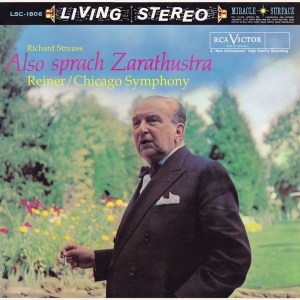
The best copy of 1806 in our shootout earned the same Triple Plus grade on side one as our best 2609, slightly less on side two as it had somewhat steely strings.

Still, both are superb recordings. Head to head on big speakers in a custom room and all the rest, we know which recording we prefer.

Most audiophiles, including most of our customers, do not have a big-speaker system playing in a dedicated room, custom built and carefully treated in order to produce sound reproduction of the highest quality. They may prefer the original recording depending on how it sounds on the equipment they are using.

(more…)

Neither the Sound Nor the Performance Here Make the Grade

Hot Stamper Pressings of the Music of Rimsky-Korsakov Available Now

In our experience this is not the recording of the work to buy, on either Decca or London. Of the two recordings by Ansermet, we much prefer the one made with the Suisse Romande in 1961 to that of the one he recorded with the Paris Conservatoire in 1954 (which was his second recording of the work with them).

We did a monster shootout for this music in 2014, one we had been planning for more than two years. On hand were quite a few copies of the Reiner on RCA; the Ansermet on London (CS 6212, his second stereo recording, from 1961, not the earlier and noticeably poorer sounding recording from in 1959); the Ormandy on Columbia, and a few others we felt had shown potential.

The only recordings that held up all the way through — the fourth movement being THE Ball Breaker of all time, for both the engineers and musicians — were those by Reiner and Ansermet.

This was disappointing considering how much time and money we spent finding, cleaning and playing those ten or so other pressings.

Here it is a year later and we’re capitalizing on what we learned from the first big go around, which is simply this: the Ansermet recording on Decca/London can not only hold its own with the Reiner on RCA, but beat it in virtually any area. The presentation and the sound itself are both more relaxed and natural, even when compared to the best RCA pressings.

The emotional content of the first three movements (all of side one) under Ansermet’s direction are clearly superior. The roller coaster excitement Reiner and the CSO bring to the fourth movement cannot be faulted, or equaled. In every other way Ansermet’s performance is the one for me.

There are other Deccas and Londons that we’ve cleaned and played recently that were disappointing, and they can be found here.

Our Pledge of Service to You, the Discriminating Audiophile 

(more…)