Jazz, Big Band – Reviews and Commentaries

Shall We Dance Has Absolutely Amazing Sound (and We Love the Music Too)

More Hot Stamper Pressings of Big Band Recordings Available Now

One of the best sounding records we have ever played, the Gold Standard for Tubey Magical Big Band.

Both sides are huge, rich, weighty and dynamic like few records you have ever heard. Three elements create the magic here: Kingsway Hall, Kenneth Wilkinson and the Decca “Tree” microphone setup.

Years ago we wrote in another listing “We had a copy of Heath’s Shall We Dance not long ago that had some of the biggest, richest, most powerful sound I have ever heard. Watch for Hot Stampers coming to the site soon.” Well, now they’re here, and this copy fulfills the promise of the album like no copy we have ever played.

DEMO DISC SOUND barely begins to do this one justice. This is Audiophile Quality Big Band sound to beat them all. The American big bands rarely got the kind of sound that the Decca engineers were able to achieve on records like this. For one thing they didn’t have Kingsway Hall, Kenneth Wilkinson or the Decca “Tree” microphone setup.

Unlike some of the American big band leaders who were well past their prime by the advent of the two-channel era, Heath is able to play with all the energy and verve required for this style of music. He really does “swing in high stereo” on these big band dance tunes

(more…)

Original Is Better? Sez Who?

Hot Stamper Pressings that Sound Their Best on the Right Reissue Available Now
Which albums sound better on the right vintage reissue pressing?

These do.

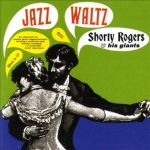
Just to take one example: The original Reprise pressing of Jazz Waltz, whether in mono or stereo, has never sounded very good to us. The mono is quite a bit worse than the stereo – no surprise there – but both must be considered poor reflections of the master tape.

We sold one many years ago, describing it this way: “Beautiful Original with decent sound — rich, smooth and sweet.” Which it was, but from us that’s little more than damning it with faint praise.

The Discovery pressing is so much bigger, clearer and livelier it’s almost hard to imagine it and the 1962 Reprise original were both made from the same tape.

Something sure went wrong the first time around — I think it’s safe to say at least that much.

Does the Original Always Have the Best Sound?

Not for those of us who play records rather than merely collect them.

Leave the originals for the Jazz Guys. The Hot Stamper pressings of the reissues are perfect for us music loving audiophiles.

Don’t be put off by the title; these are not some sleepy old-fashioned waltzes. This is swingin’ West Coast jazz at its best. Of course, the arrangements are done in waltz time, but that doesn’t keep them from swingin’.

And the amazingly good sound? Credit Bones Howe, a man who knows Tubey Magic like practically no one else in the world. The Association, The Mamas and the Papas, The Fifth Dimension, and even Tom Waits — all these brilliant recordings are the result of Bones Howe’s estimable talents as producer and engineer.

(more…)

Frank Sinatra & Duke Ellington – Booth? What Booth?

More of the Music of Frank Sinatra

More of the Music of Duke Ellington

Notice that, at least for most of the material, and perhaps all of it, Sinatra does not seem to be stuck in a vocal booth. He sounds like he is actually standing on the same stage as Ellington’s band.

Whether this is a recording trick — he’s in a booth but the engineer did a great job creating a sound for the booth that matched the ambience and space of the studio — or whether he is standing front and center with the band, the illusion is convincing and adds greatly to the “reality” of the performance..

Recorded one year after the remarkable Sinatra-Jobim record that we treasure here at Better Records, Sinatra takes the opportunity to work with one of the greatest bandleaders in the history of jazz, the Duke himself. We had good luck with the stereo originals on the lovely Blue and Green Reprise labels — they can be as big, rich and warm as Sinatra’s legendary Capitol recordings when you find the right pressing, and that’s really saying something.

Transparency

What typically separates the killer copies from the merely good ones are two qualities that we often look for in the records we play: transparency and lack of smear. Transparency allows you to hear into the recording, reproducing the ambience and subtle musical cues and details that high-resolution analog is known for.

(Note that most Heavy Vinyl pressings being produced these days seem to be quite Transparency Challenged. Lots of important musical information — the kind we hear on even second-rate regular pressings — is simply not to be found. That audiophiles as a whole — including those passing themselves off as the champions of analog in the audio press — fail to notice these failings does not speak well for either their equipment or their critical listening skills.)

Richness and Lack of Smear

Lack of smear is also important, especially on a recording with this many horns, where the reproduction of leading-edge transients is critical to their sound. If the sharply different characters of the various horns (trumpet, trombone, and various saxes) smear together into an amorphous blob, as if the sound were being fed through ’50s vintage tube amps (for those of you who know that sound), half the fun goes right out of the music.

Richness is important — horns need to be full-bodied if they are to sound like the real thing — but so are speed and clarity, two qualities that ensure that all the horns have the proper bite and timbre.

(more…)

The Recordings of Duke Ellington – These Two Didn’t Make the Grade

More of the Music of Duke Ellington

Reviews and Commentaries for the Music of Duke Ellington

Pictured to the left are a couple of the Ellington albums we’ve auditioned over the years.

Without going into specifics, we’ll just say these albums suffer from weak music, weak sound, or both. They may have some appeal to fans of the man, but audiophiles looking for top quality sound and music — our stock in trade — are best advised to look elsewhere.

We play mediocre-to-bad sounding pressings so that you don’t have to, a public service from your record-loving friends at Better Records.

You can find these two in our Hall of Shame, along with others that — in our opinion — are best avoided by audiophiles looking for hi-fidelity sound. Some of these records may have passable sonics, but we found the music less than compelling.  These are also records you can safely avoid.

We also have an Audiophile Record Hall of Shame for records that were marketed to audiophiles for their putatively superior sound. If you’ve spent any time on this blog at all, you know that these records are some of the worst sounding pressings we have ever had the displeasure to play.

We routinely play them in our Hot Stamper Shootouts against the vintage records that we offer, and are often surprised at just how bad an “audiophile record” can sound and still be considered an “audiophile record.”

(more…)

The Glorious Sound of Triple Flutes

basiebasie_wtlf_1318421106

More of the Music of Count Basie

Hot Stamper Pressings of Big Band Recordings

Check out the triple flutes on the first track on side two – on a copy like this you will hear some shockingly Tubey Magical, breathy, sweet, natural flutes. And there are three of them! Only the largest classical orchestras have three flutes. The sound is to die for.

Play any number of copies and listen for the tri-flute sound – some copies are tubier and a bit smeary, some are breathier and a bit thin, some are recessed, some are more present. On a sufficiently resolving system, no two pressings will have those flutes sounding exactly the same.

Don’t judge the whole side by just the flutes, they are only one element in a complex array. But they are a very strong clue as to what the rest of the sound is doing better or worse. One might even go so far as to say right and wrong.

Basie Big Band is a Top Basie Big Band title in every way — musically, sonically, you name it, this album has got it going on.

If you like your brass big, rich, powerful and dynamic, you came to the right place. In practically every way this copy is Hard To Fault.

With 18 pieces in the studio (five trumpets!, four trombones!, five saxes!) this album can be a real powerhouse — if you have the right copy, and both White Hot Stamper sides here show you just how lively and dynamic this music can be. It’s got real Demo Disc qualities, no doubt about it.

When you get this record home, pay special attention to how natural and correct the timbre of the brass is. This is the hallmark of a well recorded album — it sounds right.

Gene Harris Big Band – A Concord Record that Isn’t Mediocre (!)

More of the Music of Count Basie

More Hot Stamper Pressings of Big Band Recordings

Since when did Concord learn to make a record that sounds as good as this one, with inspired, energetic performances from this solid group of veterans of the jazz wars no less.

Where is the typical Concord sub-gen, opaque, closed-in, compressed and lifeless sound we’ve been hearing all our lives?

This is one jazz label that has done almost nothing of any real interest from the very start, and yet somehow they not only managed to get Gene Harris and his band of All Stars to play with tremendous enthusiasm and skill, they actually managed to capture, with considerable fidelity I might add, the prodigious big band energy they produced onto a reel of analog tape.

I wouldn’t have believed it if I hadn’t heard it with my own two ears.

Not only is the sound EXCELLENT, but the big band really swings. They pull out all the stops. Gene Harris, one of my favorite pianists, leads an all star crew on a series of tracks performed in the spirit of Count Basie. Not a slavish recreation, but an inspired performance in his style. This has to be one of the best sounding Concord records I’ve ever heard. Without a doubt one of the real sleepers from that label. (more…)

The Direct Disc Sound of the Glenn Miller Orchestra – “The Best Sounding Big Band Record?”

We went a bit overboard years ago when we wrote, “I don’t think you can find a better sounding big band record on the planet.”

Well, we’ve heard plenty of amazing big band albums in the Hot Stamper shootouts we’ve carried out over the course of the last ten or fifteen years, albums by the likes of Basie, Ellington, Shorty Rogers, Ted Heath and others.

Not to mention the fact that the shockingly good Sauter-Finegan track “Song of the Volga Boatman” from the LP “Memories Of Goodman and Miller” is played regularly around these parts for cartridge setup and tuning, as well as general tweaking.

But that should take nothing away from this superb recording, made at the famously good-sounding Capitol Records Studio A, with none other than Wally Heider doing the mix and Ken Perry manning the lathe.

We also noted that, “It absolutely murders all the Sheffield big band records, which sound like they were made by old tired men sorely in need of their naps. Way past their prime anyway.” Which may be harsh but, in our defense, it’s mostly true.

The Glenn Miller Orchestra heard here was an actively touring band. They know this material inside and out, they clearly love it, and they’re used to playing the hell out of it practically every night.

If you like the tunes that Glenn Miller made famous — String of Pearls, In The Mood, Tuxedo Junction — you will have a very hard time finding them performed with more gusto, or recorded with anything approaching this level of fidelity.

(more…)

The King on Century Direct Disc – Not Good Enough

This is a Century Direct-to-Disc LP that is every bit as good sounding as the excellent Glenn Miller disc, and in some ways better.

The problem is that Benny sounds much too old and tired, so this one gets a Not Good Enough ranking from us.

Our Pledge of Service to You, the Discriminating Audiophile 

We play mediocre-to-bad sounding pressings so that you don’t have to, a free service from your record-loving friends at Better Records.

You can find this one in our hall of shame, along with others that — in our opinion — are best avoided by audiophiles looking for hi-fidelity sound.

Some of these records may have passable sonics, but the music is weak.  These are also records you can safely avoid.

We also have an audiophile record hall of shame for records that were marketed to audiophiles with claims of superior sound. If you’ve spent much time on this blog, you know that these records are some of the worst sounding pressings we have ever had the misfortune to play.

(more…)