Advice-WTLF, Soul, Blues, R&B, etc.

Records with advice on what to listen for in order to separate the best pressings from the also-rans.

What to Listen for on Back To Oakland

Hot Stamper Pressings of Soul, Blues, R&B, etc. Available Now

The biggest problems we found in our shootout were:

Some edge to the horn sound (the kind of “detail” that some audiophiles might prefer but that to our ears would be a source of listener fatigue in the long run).

Stuck in the speakers low-resolution sound, by far the most typical, wherein the ambience and spaciousness of the studio are noticeably compromised.

And lack of bass, which either takes the rhythmic quality out of the music, the drive so to speak, or makes the horns sound thin, which is a not a sound we tend to like, on this album or any other, although most of the audiophiles that I’ve met seem not to mind it all that much.

The Wrong Kind of Clarity

Much of what passes for clarity in some systems is just a lack of lower mids and thin bass response — woofers too small, not enough of them, the same old story. There are many commentaries on the site concerning this very issue and I recommend you check a few out when you have the time.

Music like this needs full-bodied sound to do what it’s trying to do; you need to be able to move lots of air in your listening room to bring this music to life. You can be sure this band full of horn players was moving huge amounts of air in the studio. Would have loved to be there!

We love this funky music and have long been delighted with how wonderful the best pressings can sound. This may be Tower of Power’s best; certainly it’s one of their most consistent and well-recorded.

When you hear it on a Hot Stamper like this, there is little in the recording to criticize. The brass is textured with just the right amount of bite (but not to the point of sounding gritty). In addition, the soundstage is wide and three-dimensional, with the kind of transparency that allows you to hear into the music all the way to the back wall of the studio (assuming your system resolves that kind of information).

The most obvious effect is that all the horns are separated out from one another, not all smeared together, with plenty of space around the drums, guitars and vocals as well. The sound is freely flowing from the speakers, not stuck inside them.

The Sheffield Record — So Dry

Some of you no doubt know that there is a Direct to Disc on Sheffield by this band. I can tell you without question that this particular LP is clearly better sounding than that one, which tends to be annoyingly dry. This band’s recordings as a rule tend to be on the dry side, with little in the way of studio echo or ambience. The Sheffield is even more dryly recorded than their other albums, at least on the copies that I have played.

Richness Or Transparency – On Why Can’t We Be Friends You Need Both

Below we discuss two qualities essential to the sound of War’s Masterpiece of jazzy soul, Why Can’t We Be Friends? 

As usually happens in these shootouts we learned that there’s so much more to this album than just big bass. What really makes this music come alive on the best copies was the result of two qualities we found were in fairly short supply: richness and transparency 

When the vocals sound thin and pinched as they do on so many copies of this album, possibly the result of the grainy crap vinyl UA is infamous for, that sour sound takes all the fun out of the music. Many tracks have group vocals and choruses, and the best copies make all the guys sound like they are standing in a big room, shoulder to shoulder, belting it out live and in living color.

These are not classically trained singers. These are guys who love their music, who make up in enthusiasm what they lack in polish. I say more power to them. Smoke ’em if you got ’em and turn it up!

The good copies capture that energy and bring it into the mix with the full-bodied sound it no doubt had live in the studio. When the EQ or the vinyl goes awry and their voices start to take on a lean or gritty quality, the party’s over.

Seriously; this album has a party atmosphere; it’s overflowing with fun energy. If you can’t play it loud enough to rock because the sound is fighting you with every click of the volume knob, what is the point of playing it all? (more…)

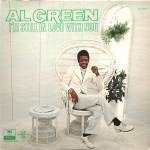
I’m Still In Love With You – What to Listen For

This is The Memphis Sound at its best — big Hammond organs with whirring Leslie speakers, funky drums, punchy brass blasts, and lovely string arrangements. 

Al Green’s singing is superb, of course, but one thing that really stands out after hearing the best Hot Stamper copies is the quality of the musicians’ performances. The rhythm section on this album really drives the music. Just listen to the punchy kick drum and deep, note-like bass on a song like Love and Happiness — the band is rockin’.

The Hodges Brothers — the house band at Hi Records, known for their “telepathic interplay” — deliver rock solid musicianship just brimming with energy and soul. The brass is handled by the truly great Memphis Horns, of Stax Records fame. (more…)

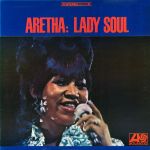
Lady Soul Can Be Bright

More of the Music of Aretha Franklin

Hot Stamper Pressings of Soul, Blues and R&B Albums Available Now

We’ve been playing a ton of Aretha Franklin records around here in recent days, but it’s hard to find pressing that separate themselves from the pack to give you audiophile-friendly sound for her recordings, which (naturally) seem to be optimized more for the radio than for your hi-rez audio rig. Every now and then, however, we’ll luck into a copy that delivers some real soul magic in its grooves, and this was one of those copies. Chain Of Fools and Aretha’s great version of Natural Woman sound JUST RIGHT. 

Most of the Aretha records we’ve played tend to be a bit too bright, which brings out a lot of grit, grain and edge. I don’t want to be presumptuous, but I can’t imagine that’s the sound the Queen Of Soul was going for. A copy like this gives you smoother, sweeter sound with a more natural tonal balance. It makes the music work so much better — the sound is easier on the ears and not nearly as fatiguing, plus it lets you turn up the volume good and loud without giving yourself a headache. When Aretha’s really wailing, you’re going to FEEL it. And man, does it ever feel good.

Bottom line? You’d need either a lot of copies, a lot of luck or both to come up with a pressing that sounds this correct and plays this quietly on both sides.

AMG 5 Star Rave Review

Appearing after a blockbuster debut and a sophomore set that was rather disappointing (in comparison), 1968’s Lady Soul proved Aretha Franklin, the pop sensation, was no fluke. Her performances were more impassioned than on her debut, and the material just as strong, an inspired blend of covers and originals from the best songwriters in soul and pop music… Powered by three hit singles (each nested in the upper reaches of the pop Top Ten), Lady Soul became Aretha Franklin’s second gold LP and remained on the charts for over a year.