 More on the Subject of Making Audio Progress
Yes, me. And, oh, by the way, you.
Dramatic limitations and massive amounts of colorations are endemic to home audio systems.
The only way to get rid of them is by doing the unimaginably difficult work it takes to learn how to identify them through the process of discovering, refining and implementing practical solutions to rooting them out.
This, in my experience, is a process that will rarely be accomplished with great success, even by the truly dedicated. At best it can only unfold slowly, over the course of years, decades even, and only for a very small percentage of the audiophiles who attempt it.
Most will simply give up at some point and choose to enjoy whatever sound quality they have managed to achieve up to that time. The limitations will prove too difficult to overcome. More effort feels like banging one’s head against the wall rather than making progress.
Regrettably, to push on in this devilishly difficult hobby we have chosen for ourselves is for the few, not the many.
Rightly or wrongly, we self-identify as a member of the few. We think this blog provides all the evidence any skeptic of our success could possibly need.
Of course, it didn’t hurt that we got paid to do it. In addition, an undiagnosed but all-too-real obsessive personality disorder may very well have been at the heart of it. And some very special recordings that I fell in love with a long time ago surely played their part.
Pass/Not-Yet
It is our belief that many, perhaps most of those who gave up the fight did so prematurely.
They thought they’d come a long way, and perhaps they had, but there were still plenty of potentially life-changing improvement possible.
Can you blame them? Devoting the seemingly endless amounts of time and money necessary to climb the greasy pole leading to better sound is not a choice most audiophiles are in a position to make easily.
Wives, children, jobs, mortgages, and a great deal more — especially the lack of a dedicated listening room — all conspire to limit the efforts of even the most committed audiophile.
Not to pile on, but there is an easy way to spot these folks, the ones who never managed to take it far enough to reach the higher level (or levels) we know are possible:
- By the records they own (many of which are on Heavy Vinyl),
- By the records they want to buy (again, typically on Heavy Vinyl),
- Or have nice things to say about (again, and for proof just read the posts found on every audiophile forum).
We’ve made a partial list of the records that best identify this group, and it can be found here. It should be noted that bad records, the kind being made by audiophile labels of every stripe these days, are no good for any of this work. The goal is to figure out how to make top quality vintage pressings sound right. More on that subject here.
Most new pressings will only sound enjoyable if the system playing them is good at hiding their flaws.
We hope it goes without saying that no right-thinking audiophile should want anything to do with such a system, and once the necessary improvements have been made, the records that formerly sounded good on it will be of no further use, their many shortcomings now too easily exposed.
Pulling this cart will not be easy — it will surely be a very long, very hard slog — but those who stick with it will come a lot closer to the promised land than those who choose any other path.
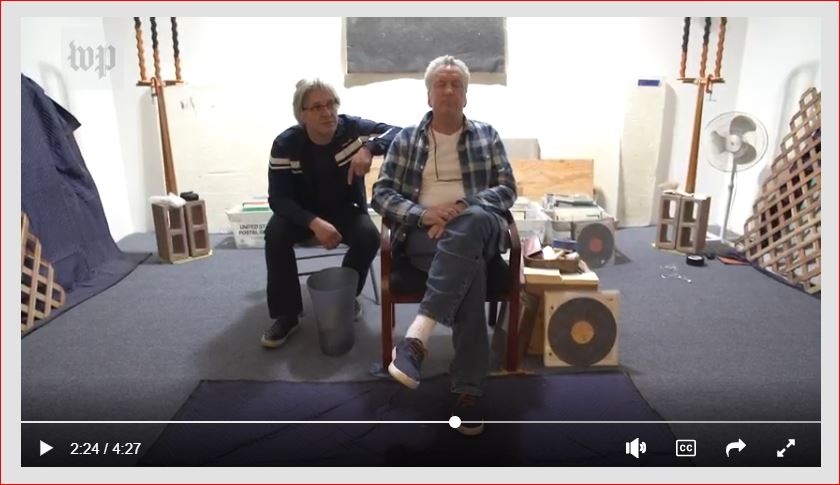
That guy you see pictured at the top left of this post has spent much of the last forty years wandering around used record stores looking for better records (ahem). Before that he wandered around stores selling new records because he didn’t know how good old used records could be.
Here are some of the things he’s learned since he started collecting at the age of ten sixty years ago. (First purchase: She Loves You on 45. It’s still in the collection, although it cracked long ago and is no longer playable.)
Robert Brook Can Be a Guide
Robert has methodically and carefully — one might even say scientifically — approached the various problems he’s encountered in this hobby by doing the following:
- Improving his equipment,
- Teaching himself how to do a better job of dialing in his turntable setup, and
- Learning how to do controlled shootouts for his favorite albums.
- Sometimes he just has something interesting to say about records and audio, which fits in nicely with our own predilections on both those subjects.