 Hot Stamper Pressings of the Music of Freddie Hubbard Available Now
UPDATE 2026
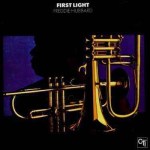
A shootout for First Light from way back in 2011 taught us a thing or two about trumpet smear.
This Hot Stamper original CTI pressing from our shootout in 2011 has a truly SUPERB side two that put to shame most of what we played.
Smeary, blurry trumpet blasts? Not here. Nope, the transient bite and energy of the trumpet is as REAL as it gets.
Side Two
This Super Hot side earned a grade of A++ with its exceptional high end (although it doesn’t extend quite all the way, just most of the way) and its amazing transparency. It’s so clear! You really hear into this one, in the way that the best of the classic jazz recordings allow you to do, recordings such as Kind of Blue and the better Contemporaries.
And no smear. Trumpet records with no smear, by Freddie Hubbard or anyone else, or hard to come by. A bit more richness and this one would have been in White Hot Stamper territory. It is awfully close to the best we heard.
Side One
Earning a grade of A Plus, this is the side where some of that smear we discussed earlier can clearly be heard. The sound is rich, richer than side two even, with a huge stage and correctly sized instruments. It’s just that the midrange is a bit veiled and smeary, and the midrange is where the trumpet is.
Digging Creed Taylor Inc. and RVG
We’ve been really digging Creed Taylor‘s productions for years now. On the better albums such as this one, the players tend to sound carefree and loose — you can tell they’re enjoying the hell out of these songs. Don’t get me wrong — we still love the Blue Note and Contemporary label stuff for our more “hard core” jazz needs, but it’s a kick to hear top jazz musicians laying down these grooves and not taking themselves so seriously…especially when it sounds as good as this copy does.
Rudy Van Gelder gets one hell of a lively trumpet sound in this period of his career. If you have a good pressing of one of his early 70s jazz recordings, the sound can be positively explosive, with what feels like the power of live music.
All Music Guide Bio
One of the great jazz trumpeters of all time, Freddie Hubbard formed his sound out of the Clifford Brown/Lee Morgan tradition, and by the early ’70s was immediately distinctive and the pacesetter in jazz.
Born and raised in Indianapolis, Hubbard played early on with Wes and Monk Montgomery. He moved to New York in 1958, roomed with Eric Dolphy (with whom he recorded in 1960), and was in the groups of Philly Joe Jones (1958-1959), Sonny Rollins, Slide Hampton, and J.J. Johnson, before touring Europe with Quincy Jones (1960-1961). He recorded with John Coltrane, participated in Ornette Coleman’s Free Jazz (1960), was on Oliver Nelson’s classic Blues and the Abstract Truth album (highlighted by “Stolen Moments”), and started recording as a leader for Blue Note that same year.
Hubbard gained fame playing with Art Blakey’s Jazz Messengers (1961-1964) next to Wayne Shorter and Curtis Fuller. He recorded Ascension with Coltrane (1965), Out to Lunch (1964) with Eric Dolphy, and Maiden Voyage with Herbie Hancock, and, after a period with Max Roach (1965-1966), he led his own quintet, which at the time usually featured altoist James Spaulding. A blazing trumpeter with a beautiful tone on flügelhorn, Hubbard fared well in freer settings but was always essentially a hard bop stylist.
In 1970, Freddie Hubbard recorded two of his finest albums (Red Clay and Straight Life) for CTI. The follow-up, First Light (1971), was actually his most popular date, featuring Don Sebesky arrangements. But after the glory of the CTI years (during which producer Creed Taylor did an expert job of balancing the artistic with the accessible), Hubbard made the mistake of signing with Columbia and recording one dud after another; Windjammer (1976) and Splash (a slightly later effort for Fantasy) are low points.
However, in 1977, he toured with Herbie Hancock’s acoustic V.S.O.P. Quintet and, in the 1980s, on recordings for Pablo, Blue Note, and Atlantic, he showed that he could reach his former heights (even if much of the jazz world had given up on him).