Month: June 2022

Punch The Clock – Drums, Bass and Horns Are Key to the Best Imports

Hot Stamper Pressings of Elvis’s Albums Available Now

The bottom end is as punchy, well-defined and powerful as they come. There’s plenty of low-end on this record; regrettably most copies suffer from either a lack of bass or a lack of bass definition. I can’t tell you how much you’re missing when the bass isn’t right on this album. (Or if you have the typical bass-shy audiophile speaker, yuck.) When the bass is lacking or ill-defined, the music seems labored; the moment-to-moment rhythmic changes in the songs blur together, and the band just doesn’t swing the way it’s supposed to.

The bass, along with the horn sound, are the two key elements to getting a good copy of this record.

The horns are often compressed, making them lose their bite and smearing them together.

On some copies you can pick out the trombones and on some copies you can’t; you just hear horns because the individual instruments are smashed into a congested mess. This is Elvis’ Motown Album; the horns are what bring the music to life. They’re what make this album fun.

On this copy, you get the full-on bottom end WHOMP you paid for, with no loss in control. You can clearly follow Bruce Thomas’s bass lines throughout the songs, a real treat for any music lover. (He and Elvis don’t get along, hence the end of the Attractions as his backing band. I guess we should be thankful for the nine albums on which they were together; many of them are Desert Island Discs for me.)

Not only that, but the drums have real body and resonance, a far cry from the wimpy cardboard drums so many rock records have. Listen to the drum sound on Charm School. Man, those are some BIG FAT PUNCHY DRUMS. Very reminiscent of Bowie’s Let’s Dance. The drum sound on that album is some of the best we’ve ever heard, bar none.

Right out of the gate, Let Them All Talk is lively and full of energy. Elvis’ vocals have all the presence and clarity you could hope for. Since the drums are such a driving force for the Attractions, you have got to have room and spaciousness around them. This copy showcases the percussion with weight down low and harmonics on the cymbals.

The female background singers are clear, another tough test.

It should be noted that this is not an easy record to reproduce well. Everything needs to be working at its best to bring this recording to life, especially in the range of 200 cycles and under, an area where most audiophile systems are at their weakest. If you’ve got power to spare down there, this one will really rock.

Peter Frampton – Frampton’s Camel

The Music of Peter Frampton Available Now

Peter Frampton Albums We’ve Reviewed

  • On his second album, Frampton fronts a real rock band, playing his unique style of rock and pop, electric and acoustic, with consummate skill – if you’re a Frampton fan this is a record that belongs in your collection
  • Superb engineering from Chris Kimsey and Eddie Kramer at Olympic and Electric Lady Studios
  • 4 1/2 stars: “Named after Frampton’s touring band at the time, Frampton’s Camel has a harder-rocking feel than its predecessor Wind of Change, with Mick Gallagher’s percussive electric piano and organ taking a prominent position in the mix and Frampton getting a harder sound from his electric guitars (though his acoustic playing is so lush and lyrical that it dominates the album here and there in its quiet way).”
  • If you’re a Frampton fan — I sure am — then this title from 1973 comes highly recommended.
  • All titles from 1973 we’ve reviewed to date can be found here.

(more…)

Canned Heat – Self-Titled

More Canned Heat

More Classic Blues Albums

  • An excellent Liberty LP of Canned Heat’s debut with Double Plus (A++) sound from start to finish
  • You won’t believe how rich, Tubey Magical, big, undistorted and present this copy is (until you play it anyway)
  • Composed entirely of blues covers such as Muddy Waters’ “Rollin’ and Tumblin’” and Robert Johnson’s “Dust My Broom”
  • Problems in the vinyl are sometimes the nature of the beast with these early pressings – there simply is no way around them if the superior sound of vintage analog is important to you
  • 4 stars: “The dearth of original material on Canned Heat was less of a result of any songwriting deficiencies, but rather exemplifies their authentic renderings of traditionals such as the open-throttled boogie of ‘Rollin’ and Tumblin”…”

(more…)

Lynyrd Skynyrd – Pronounced ‘Lĕh-‘nérd ‘Skin-‘nérd

More Lynyrd Skynyrd

More Southern Rock

  • Lynyrd Skynyrd’s debut LP returns on this vintage MCA pressing with seriously good Double Plus (A++) sound from start to finish
  • Both sides are big, full-bodied and spacious, with a punchy bottom end and plenty of Southern Rock energy
  • It’s the rare copy that’s this lively, solid and rich – drop the needle on any track and you’ll see what we mean, and if that track is Free Bird, so much the better!
  • 5 stars: “The Allman Brothers came first, but Lynyrd Skynyrd epitomized Southern rock… Produced by Al Kooper, there are few records that sound this raw and uncompromising, especially records by debut bands… the band rocks like a motherf*cker. It’s the birth of a great band that birthed an entire genre with this album.”

This vintage original Sounds of the South/MCA yellow label pressing has the kind of Tubey Magical Midrange that modern records can barely BEGIN to reproduce. Folks, that sound is gone and it sure isn’t showing signs of coming back. If you love hearing INTO a recording, actually being able to “see” the performers, and feeling as if you are sitting in the studio with the band, this is the record for you. It’s what vintage all analog recordings are known for — this sound. (more…)

The Recordings Won’t Change, So Other Things Have To

Hot Stamper Pressings of the Music of Led Zeppelin Available Now

Another entry in our series of commentaries we’ve grouped under the heading what’s the big idea?

It’s amazing how many records that used to sound bad — or least problematical — now sound pretty darn good. The blog is full of commentaries about them. Here’s a personal favorite.

Every one of them is proof that comments about recordings are of limited value.

The recordings don’t change.

Our ability to find, clean and play the pressings made from them does, and that’s what the Hot Stamper revolution is all about.

You have a choice. You can choose to take the standard audiophile approach, which is to buy the record that is supposed to be the best pressing and then just consider the case closed.

You did the right thing, you played by the rules. You bought the pressing you were told to buy, the one you read the reviews about, the one on the list, the one they said was made from the master tape, the one supposedly pressed on the best vinyl, and on and on.

Cross that title off and move on to the next, right?

When — sometimes if but usually when — the sound of the record doesn’t live up to the hype surrounding it, you merely accept the fact that the recording itself must be at fault.

Prepare to allot a fair amount of time to complaining about such an unfortunate state of affairs. “If only they had recorded the album better…” you say to yourself as you toddle off to bed, ending your listening session prematurely, fatigued and frustrated with a record that — for some reason — doesn’t sound as good as you remember.

We did it too, more times than I care to admit.

Try It Our Way

Or you can adopt our approach and hear those very same albums sound dramatically better than you ever thought possible. Better than you remember. It happens all the time here at Better Records and it can happen at your house too. Just follow the yellow brick– uh, scratch that, just follow these four steps.

(more…)

The Recordings of Steely Dan – These Two Didn’t Make the Grade

More of the Music of Steely Dan

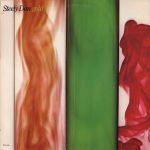
Gold, the album on the left, is from 1982 and was mastered by Robert Ludwig. It’s an OK record, nothing more, and offers few of the thrills that the real albums do when they’ve been mastered and pressed right. (To my knowledge, never by Robert Ludwig.)

The soundtrack album below it might interest collectors, but it has forgettable music with barely passable sound.

Steely Dan is one of our favorite bands here at Better Records.

We’ve written more about their albums than any other group’s outside of The Beatles, with more than 60 reviews and commentaries to date.

Our advice: Stick with the seven real albums that were released between 1972 and 1980. Each and every one of them is a brilliant work of art in its own way. For audiophiles, it just doesn’t get any better than Steely Dan.

The Big Seven


We play mediocre-to-bad sounding pressings so that you don’t have to, a public service from your record-loving friends at Better Records.

You can find this one in our Hall of Shame, along with others that — in our opinion — are best avoided by audiophiles looking for hi-fidelity sound. Some of these records may have passable sonics, but we found the music less than compelling.  These are also records you can safely avoid.

We also have an Audiophile Record Hall of Shame for records that were marketed to audiophiles for their putatively superior sound. If you’ve spent any time on this blog at all, you know that these records are some of the worst sounding pressings we have ever had the displeasure to play.

We routinely play them in our Hot Stamper Shootouts against the vintage records that we offer, and are often surprised at just how bad an “audiophile record” can sound and still be considered an “audiophile record.”

(more…)

What makes you guys think you know it all?

More Straight Answers to Your Hot Stamper Questions

We definitely don’t know it all. In fact, nothing could be further from the truth.

If we knew it all, we wouldn’t need to play the piles and piles of records we listen to every day. We would already know which pressings should have the best sound and all that would be left to do would be to assign them a sonic grade and list them for sale on the website. This approach would have the added benefit of cutting our labor costs in half.

But that is not remotely the reality of the world of records for those of us who play them and listen to them critically.

It’s the reason we formalized the concept into a Better Records Record Collecting Axiom, in this case Axiom Number Two: No two records sound the same.

Learning Is Fun

We learn something new about records with practically every shootout we run. That, more than anything else, is what makes the kind of tedious, time-consuming, mentally-exhausting work we do fun. 

It’s how we’ve managed to find some of the best sounding pressings in the history of the world, like this one. (Maybe we should point out that Harry Pearson found it first, but it’s highly unlikely he heard one sound as good as our copy. For one thing, the best cleaning fluids hadn’t been invented yet.)

The stuff we were wrong about, and there has been plenty, you can find right here on the blog, often under the heading live and learn.

It should be said that most audiophiles, at least the ones I know well, do not have the patience to critically analyze ten different copies of the same record for hours on end. For our listening panel, it’s all in a day’s work.

I learned to critically listen for extended periods of time back in the early 80s. I got heavily into — obsessed with might be more accurate — tweaking my table setup, system components, wires, vibration controlling devices and anything else I could possibly imagine might have an effect on the sound of the system.

Listening for differences in interconnects and listening for differences in pressings calls upon precisely the same set of skills. If you can do it all day, if you actually like tweaking and analyzing the sound of your stereo for hours and hours, you will undoubtedly end up with a much better sounding system, as well as one helluva high quality collection of records (and some very finely honed listening skills).

If your stereo is working right and your ears are able to recognize good sound, then you surely know by now just how poor the sound quality is on the hundreds of records listed here. The fact that they were marketed to audiophiles would be funny if it weren’t such a tragic waste of money.

On the road to better sounding records? Here’s a good way to chart your progress.


Further Reading

(more…)

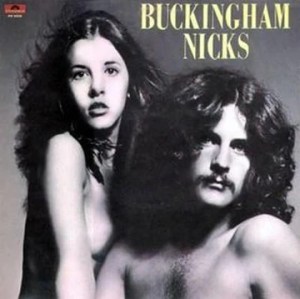
Buckingham Nicks / Self-Titled

More Lindsey Buckingham

More Stevie Nicks

  • A superb pressing of Lindsay Buckingham and Stevie Nicks’ one and only album, with Double Plus (A++) sound from start to finish – exceptionally quiet vinyl too
  • Rich and Tubey Magical with a massive bottom end – this is a true Bass Demo Disc (much like the first Mac album they sang on)
  • Recording Engineer great Keith Olsen went for a very rich, very smooth sound, in the tradition of Classic British Folk Rock
  • “An engaging listen and served as a proving ground of sorts for both artists’ songwriting chops and for Buckingham’s skills as an emerging studio craftsman. Crisp, ringing acoustic guitars and a bottom-heavy rhythm section framed the pair’s songs…”

We really enjoy playing this album here at Better Records. It’s an obvious preview of things to come for these two (and the engineer too!). Check out the wonderful early version of “Crystal.” On the better copies, it is warm, rich, and sweet — just like it is on the better copies of the Fleetwood Mac self-titled LP. In fact, many parts of this album bring to mind the best of ’70s Fleetwood Mac. Fans of the self-titled LP and Rumours are going to find A LOT to like here.

(more…)

Letter of the Week – “After returning to the 45 RPM there was no enjoyment, so I dropped the needle on the stamper one more time, and then I heard it…”

More of the Music of Kenny Burrell

Reviews and Commentaries for the Music of Kenny Burrell

A good customer had this to say about a recent shootout:

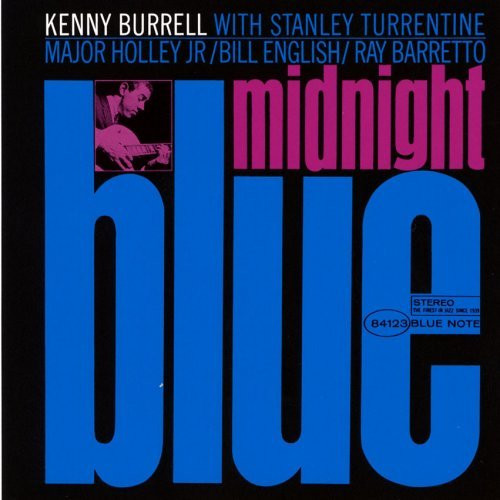
By the way, side 2 of Midnight Blue bested every other copy I played including the 45 RPM Blue Note AP reissue. The 45 RPM is very good. You know that technically it is right, but at the same time it’s missing something.

When I listened to the [Hot] stamper copy you dug up for me I found it a little noisy at first and wasn’t sure if I could live with it. However after returning to the 45 RPM there was no enjoyment, so I dropped the needle on the stamper one more time, and then I heard it…

I know what you mean about these modern reissues “missing something.” No matter how well mastered they may be, they’re almost always missing whatever it is that makes the analog record such a special listening experience. I hear that “analog” sound practically nowhere else outside of the live event (and, of course, the vintage LP). 

Thanks for your letter. 
TP

Our Classic Records Review

Pretty flat and lifeless. You would never understand why audiophiles rave about this recording by listening to the Classic Records pressing.

We played it up against our best, and as expected it was nothing to write home about. Since Rudy has remastered and ruined practically all the Blue Note CDs by now, you will have your work cut out for you if you want to find a good sounding version of Midnight Blue. This sure ain’t one.

Of course we would be more than happy to get you an amazing sounding copy — it’s what we do — but the price will be five to ten times (or more) what the Classic costs. In our opinion it’s money well spent.

Since the Classic conveys very little of what the musicians were up to whilst recording the album, our advice is to cross it off your list of records of interest. It’s thirty bucks down the drain.

(more…)

Wes Montgomery / Boss Guitar – Killer on Vintage OJC

More of the Music of Wes Montgomery

This Is a Potentially Good Sounding OJC Pressing

This is one of Wes Montgomery’s best albums from his prime ’60s period, if not THE best. Rich and full-bodied but clear and spacious, the 1963 All Tube Analog sound is perfect for Wes’s organ trio format. 

Based on what I’m hearing my feeling is that most of the natural, full-bodied, smooth, sweet sound of the album is on the master tape, and that all that was needed to get that vintage sound correctly on to disc was simply to thread up that tape on a reasonably good machine and hit play.

The fact that nobody seems to be able to make an especially good sounding record — certainly not as good sounding as this one — these days tells me that in fact I’m wrong to think that such an approach would work. Somebody should have been able to figure out how to do it by now. In our experience that is simply not the case today, and has not been for many years.

George Horn

George Horn was doing brilliant work for Fantasy all through the ’80s. This album is proof that his sound is the right sound for this music.

(more…)