 Skeptical Thinking Is Key to Finding Better Sounding Records
And we don’t need to know anything about how it was made in order to judge it!
For those of you who did not follow this story from a few years back, you may want to catch up here.
Although it’s behind a paywall, you can get a free test drive easily enough.
Now that you are up to date on the overall contours of this mess, here is another one of the many thoughts I have had concerning the revelation that Mobile Fidelity has been secretly sourcing at least some of their masters digitally since 2015.
Back in August of 2022, I wrote what you see below to Geoff Edgers, the reporter who exposed this ridiculous mess. (I toned it down quite a bit. The original version was not suitable for publication.)
Earlier that same year he had visited me at my studio, where I played him the awful Dire Straits first album that MoFi remastered, one of the worst half speeds ever made (review coming, but you can get a good idea of my take on it here).
 By August of 2022 he was starting to see just how crazy the world of audiophiles actually is, and the more he learned about some of these people, the crazier they seemed. And he was not wrong about that.
My letter (with a few additions):
Jim Davis (of MoFi) is not one to be trusted and would have loved to cover up this whole thing if he could have figured out how to do it. It got away from him, and as far as I’m concerned, good.
And you heard how shitty their Dire Straits record is. Who cares if it’s digital? The sound is bad. Why bother trying to figure out the reasons this crappy label doesn’t know how to make good records? It’s just a fact. Accept it.
Many of MoFi’s now-exposed records were on Fremer and Esposito’s own lists of the best sounding analog albums.
Of course they were. I defy you to find me two “audiophile experts” who are wrong more often than these guys!
From the article:
One of the reasons they want to excoriate MoFi is for lying,” says Howarth. “The other part that bothers them is that they’ve been listening to digital all along and they’re highly invested in believing that any digital step will destroy their experience. And they’re wrong.
These people who claim they have golden ears and can hear the difference between analog and digital, well, it turns out you couldn’t.
The best ears? Are you kidding me? In their dreams. These guys give every indication that they are virtually devoid of critical listening skills. The evidence supporting this reality has been laid out in this very blog in scores of commentaries over the course of more than twenty years.
(more…)

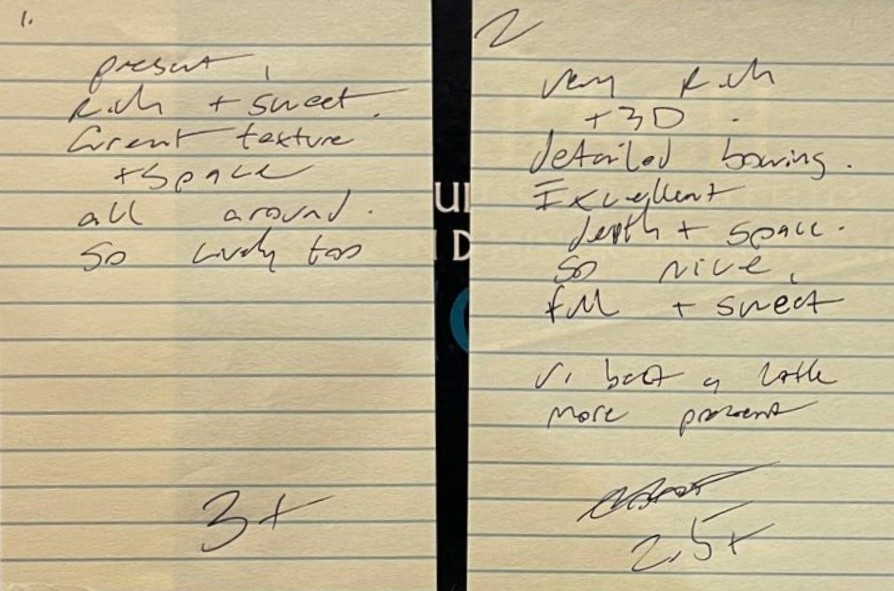

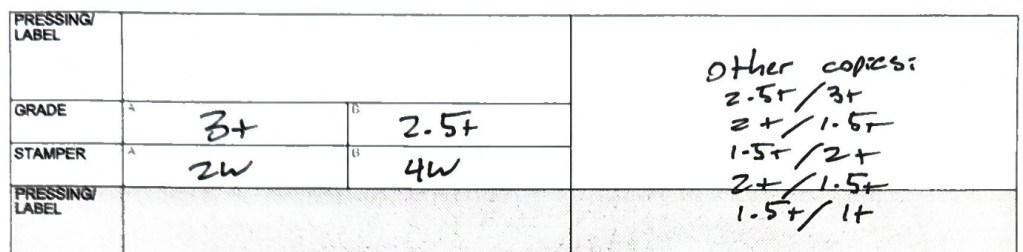
 Hot Stamper Pressings of the Music of Cat Stevens Available Now
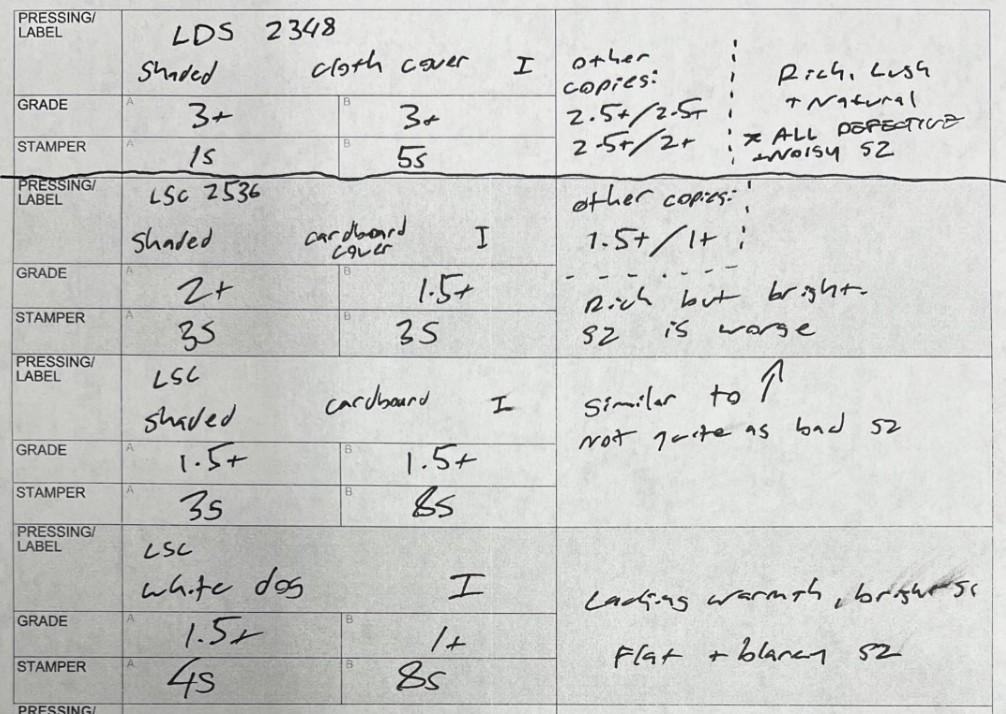
 Hot Stamper Pressings of Contemporary Jazz Albums Available Now

 Hot Stamper Pressings of the Music of The Beatles Available Now
 Secondly, we avoid DMM pressings whenever possible. They often add what seems to us like digital artifacts to the sound.