1962-rev

Presenting a select group of reviews and commentaries for albums recorded or released in 1962, a great year for analog.

Could This Be the Sound Audiophiles Complain About with RVG’s Mastering?

Hot Stamper Pressings of the Music of John Coltrane Available Now

A rare and expensive early mono pressing that we put into our most recent shootout was dreadful sounding.

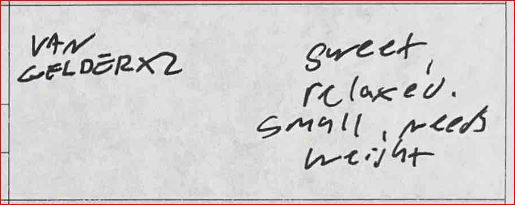
Our main listening guy owns the record and made the note you see below, saying that his personal copy is every bit as bad.

The sound of the original was painfully midrangy and crude. It was not the worst of all the pressings we played, but it was nevertheless pretty bad, sounding nothing like our shootout winners.

We had a pressing on an early Prestige label in stereo, also mastered by Rudy Van Gelder, that was reasonably good sounding, earning grades of 1.5+ to 2+. It was sweet and relaxed, but relatively small and lacked the weight of the best.
For this music, we’ve found the best sound on the better Two-Fer pressings and the right OJC.

That Two-Fer budget reissue pressing, remastered by David Turner in 1972, can do very well in a shootout, but it can also fall far short of the mark on some sides, as you can see from the grades for these three other copies.
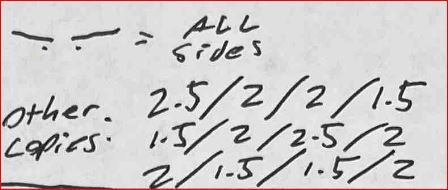
If you have the Two-Fer, how does yours sound compared to the four we auditioned (a shootout we were doing for the third or fourth time I might add), and how could you possibly know such a thing without a great many more copies at hand to clean and play?
(more…)

Some Pressings of Tchaikovsky’s Piano Concerto No. 1 Can Sure Be a Letdown

Hot Stamper Pressings of the Music of Tchaikovsky Available Now

I don’t know of another recording of the work that gets the sound of the piano better. On the properly-mastered, properly-pressed copies, the percussive quality of the instrument really comes through.

But that quality (along with lots of others) is only heard on the better copies.

The reissues (one with the later Tulips label, one with the earlier Large Tulips label) described below are at best passable, and some of them were just awful.

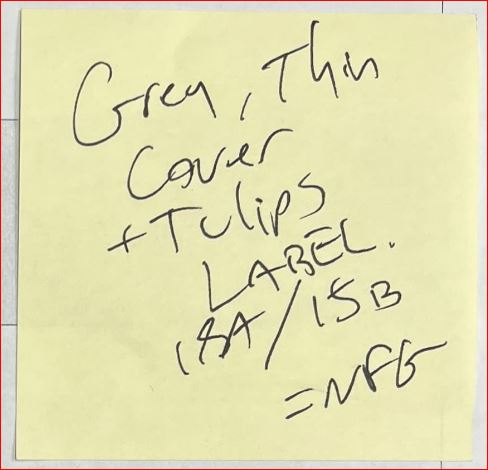
The note to the left makes clear that even some of the early Large Tulips label pressings had very bad sound. Watch out especially for 18A/15B stampers. They’re NFG: No F***ing Good.

As you can see from the notes above for this particular recording in the Black and White cover, one side was passable, earning our 1.5+ grade. That makes it a decent sounding record, I suppose, but it’s a long, long, long way from the best.

1.5+ is four grades down from the top copy. That’s a steep dropoff as far as we’re concerned. 1.5+ only hints at how good a recording this DG can be on the best pressings.

To see more records that earned the 1.5+ grade, please click here. (Incidentally, some of them are even on Heavy Vinyl. The better modern pressings have sometimes, if rarely, been known to earn Hot Stamper grades, and two recently shocked the hell out of us by actually winning a shootout. Wouldn’t you like to know which two!)

One Plus (1+) is a sub-Hot Stamper grade. We do not sell records that do not earn a grade of at least 1.5+ on both sides.

For those who might be interested, there’s more on our grading scale here.

Our Favorite Performance with Sound to Match

A recent listing for the album can be found here.

Without question this is a phenomenal piano recording in every way.

On the best copies the rich texture of the strings is out of this world — you will have a very hard time finding a DG with better string tone. This record does not have the shortcomings of the average DG: it’s not hard, shrill, or sour.

DG made plenty of good records in the 50s and 60s, then proceeded to fall apart, like most labels did. This is one of their finest. It proves conclusively that at one time — 1962 to be exact — they clearly knew exactly what they were doing.

It’s amazing how many piano recordings have poorly-miked pianos. The badly recorded pianos are either too distant, lack proper reproduction of the lower registers, or somehow smear the pounding of the keys into a blurry mess.

Are they badly recorded?

Or is it a mastering issue?

Perhaps a pressing issue?

(more…)

For Also Sprach Zarathustra, These Stampers Are Passable at Best

Hot Stamper Pressings of Living Stereo Titles Available Now

Even though they had the Shaded Dog label, some of the later stampers for this record were not very good sounding compared to the ones that won our shootouts.

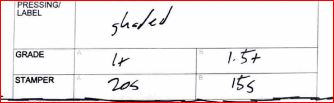
20s backed by 15s earned grades that would prevent it from being sold as a Hot Stamper pressing.

One side was passable, earning our 1.5+ grade. It’s a decent sounding side I suppose, but a long, long, long way from the best.

1.5+ is four grades down from the top copy, the kind that would end up in this section. (To read about some phenomenally good sounding Shootout Winning pressing we’ve played recently, click here.)

That’s a steep dropoff as far as we’re concerned. 1.5+ only hints at how good a recording LSC 2609 can be on the best vintage pressings.

To see more records that earned the 1.5+ grade, please click here. (Incidentally, some of them are pressed on Heavy Vinyl. The best modern pressings have sometimes, though rarely, been known to earn Hot Stamper grades, and one shocked the hell out of us by actually winning a shootout. Wouldn’t you like to know which one!)

The 1+ grade found on this side one means it’s simply not very good, Shaded Dog label or no Shaded Dog label.

The average Shaded Dog may be better than the average classical record, but that certainly doesn’t mean it has any claim to audiophile sound. We’ve played bad early RCA pressings by the hundreds. Now, with this blog we can point some of them out to those record lovers who are more interested in top quality sound than an original label.

For those who might be interested, there’s more on our grading scale here.

There are quite a number of other records that we’ve run into over the years with obvious shortcomings.

(more…)

Don’t Waste Your Money on this Living Stereo from 1962

Hot Stamper Pressings of Living Stereo Titles Available Now

LSC 2612, released in 1962 on the Shaded Dog label, offers Handel’s Water Music and Royal Fireworks with Stokowski conducting, engineered by one of the greats, Robert Simpson.

The sound is terrible however.

The copies we had on hand were loud and crude, with steely strings and not much in the way of hall space. In other words, LSC 2612 seems to suffer from the “old record” sound that we’ve found on many of the hundreds of vintage pressings we’ve auditioned over the years as we were looking for top quality recordings to put in our Hot Stamper shootouts.

If you want a good Water Music, the right stamper pressings of the Philips recording with Leppard are the best we’ve ever played.

The Shaded Dog of LSC 2612 might be passable on an old school system, but it was too unpleasant to be played on the high quality modern equipment we use.

Leave this RCA to the collectors. Some audiophiles are of the opinion that vintage Living Stereo recordings on the original label can do no wrong, but we have never subscribed to that view.

There are quite a number of other records that we’ve run into over the years with similar shortcomings. Here are some of them, a very small fraction of what we’ve played, broken down by label.

  • London/Decca records with weak sound or performances
  • Mercury records with weak sound or performances
  • RCA records with weak sound or performances

1962 was a phenomenal year for audiophile quality recordings – we’ve auditioned and reviewed more than one hundred and twenty titles as of 2024, and there are undoubtedly a great many more that we’ve yet to discover.

When it comes to classical and orchestral titles, more than a dozen are so good that we would consider them Must Owns.

(more…)

This MoFi Makes My Head Hurt

Hot Stamper Pressings of the Music of Richard Strauss Available Now

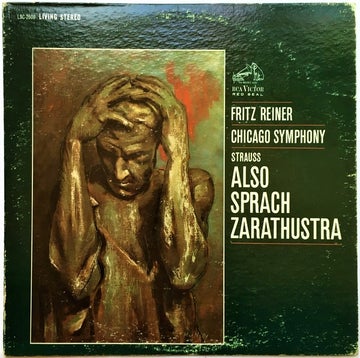
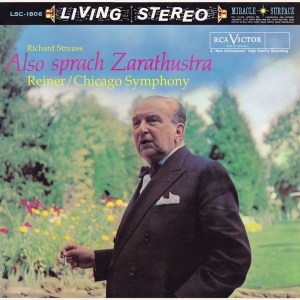
Is the painting on the cover that of a man whose head is suffering from the ridiculously shrill string tone of this MoFi?

Doubtful. Impossible actually. But that’s exactly how my head feels when I play one of these awful MoFi classical LPs.

Their rock, pop and jazz remasters were hit and miss in the old days, with some real winners hidden amongst the junk, but their classical releases that I’ve played, without exception, was a dog.

Want a good way to know you’re dealing with bad records and collector mentality?

When you find one of these records in your local used record store, it is almost guaranteed to be pristine.

Good records get played. MoFi’s classical releases, like plenty of other classical records audiophiles found attractive, got collected and spent most of their days sitting on a shelf, out to pasture so to speak.

(more…)

Also Sprach Zarathustra – Comparing 1954 to 1962

Hot Stamper Pressings of the Music of Richard Strauss Available Now

In 2023, we did a very large shootout for LSC 1806 and LSC 2609. LSC 1806 was recorded in 1954 but not released until 1960. It has been on the TAS Super Disc list for a very long time, if not actually from the very beginning. It’s long been considered the definitive recording by TAS Heads for sound and possibly for performance.

LSC 2609 came out in 1962. We prefer it over 1806, as the notes for our shootout make clear:

Initially, I thought I preferred LSC 1806. The amount of space and silky texture in the top end is hard to match. After a few comparisons, though, I began to miss the richer and more realistic midrange of LSC 2609. If anyone strongly prefers 1806 to 2609, they probably have a darker system or a smeary 2609.

The best copy of 1806 in our shootout earned the same Triple Plus grade on side one as our best 2609, slightly less on side two as it had somewhat steely strings.

Still, both are superb recordings. Head to head on big speakers in a custom room and all the rest, we know which recording we prefer.

Most audiophiles, including most of our customers, do not have a big-speaker system playing in a dedicated room, custom built and carefully treated in order to produce sound reproduction of the highest quality. They may prefer the original recording depending on how it sounds on the equipment they are using.

(more…)

This Mercury Is Not a Good Way to Enjoy Tchaikovsky’s 4th

More of the Music of Tchaikovsky Available Now

The pressings we’ve played of SR 90279 over the years tended to have crude and shrill sound. The string tone was bright and steely.

In our most recent shootout for the work, since we happened to have one in stock, we figured we would give the Mercury one more chance, just in case we had finally stumbled on some good stampers or that other improvements to our playback would allow the hidden virtues of the recording to be revealed. (Yes, thankfully that is still happening. So is the reverse; some records don’t do as well in shootouts as they used to, a reality every audiophile has to be on the alert for, a subject we discuss here.)

It probably lasted less than five minutes on the table.

It was simply too unpleasant to be played on the revealing modern equipment we use.

It seems that many early Mercury recordings suffer from these shortcomings. My guess would be at least half, maybe even closer to two out of three.

Waking Up

If your system is dull, dull, deadly dull, the way some audiophile systems tend to be, this record has the hyped-up, bright and aggressive sound to bring it to life in no time. (If you’re a fan of MoFi pressings from the 70s and 80s, you definitely have a much smoother top end than we do. Most of the records they made in those years are way too bright and full of the kind of phony detail that some systems need to wake them up. I should know; I had one of those systems myself, but of course I didn’t know it at the time and would have gone to the mat to deny the accusation.)

There are scores of commentaries on the site detailing the huge improvements in audio available to the discerning (and well-healed) audiophile. It’s the reason Hot Stampers can and do sound dramatically better than their Heavy Vinyl or audiophile counterparts: because your stereo is now good enough to show you the difference.

With a too-forgiving system, you will most likely continue to be fooled by bad records, just as I and all my audio buds were fooled thirty and forty years ago. Audio has improved immensely in that time. If you’re still playing Heavy Vinyl and audiophile pressings, there’s a world of sound you clearly don’t know you’re missing.

My advice is to get better equipment and spend as much time as you can learning to tweak and tune it. That will allow you to be better at recognizing bad records when you play them.

The Heavy Vinyl Route

If more vintage Mercurys had sound as bad as this one, we would happily admit that going the Heavy Vinyl route might make sense.

And there certainly are a lot of bad vintage pressings — we should know, we’ve played them by the hundreds — but the number of bad modern Heavy Vinyl pressings would give them a run for their money and then some.

Beyond this Tchaicovsky title, there are plenty of others we’ve run into over the years with too many sonic shortcomings. As a public service, here are about 60 of them, broken down by label.

(more…)

Khachaturian Conducts Spartacus – Not As Good As We Thought

Hot Stamper Pressings of Orchestral Spectaculars Available Now

Probably more than ten years ago we had written the following about CS 6322:

The famous TAS list recording. The Decca 180 gram version is very good, but those of you who appreciate the qualities of the original mastering will want to have this one. 

Now jump ahead five years to five years ago. We played three or four copies of the album and none of them really worked for us.

The sound was a bit opaque, a bit dry, and not nearly as tubey as we would have liked. (Many Decca recordings suffer from dry strings, a shortcoming that is apparently rarely noticed by audiophiles and the reviewers who write for them.)

A good record, not a great one, and for that reason really not worth cleaning up and doing a shootout for.  The best copy would not pay for the labor to discover it.

Seems we got this one wrong. Live and learn is our motto, for precisely this reason.

There are quite a number of others that we’ve run into over the years with similar shortcomings. Here they are, broken down by label.

  • London/Decca records with weak sound or performances
  • Mercury records with weak sound or performances
  • RCA records with weak sound or performances

To this day, some of the records on the TAS list seem to me better suited to the old school audio systems of the 60s and 70s than the modern systems of today. These kinds of records used to sound good on those older systems, and I should know, I had an old school stereo and some of the records I used to think sounded good back in the day don’t sound too good to me anymore.

For a more complete list of those records, not just the ones on the TAS List, click here.

The following three things are best kept in mind when a pressing doesn’t sound like we remember it did, or think it should:

(more…)

The Grieg Piano Concerto – With a Correctly Sized Piano for a Change

More of the music of Edvard Grieg (1843-1907)

This Shaded Dog pressing has exceptionally lively and dynamic sound on side two, which earned an A++ grade and plays quietly to boot.

The sound is BIG and BOLD enough to fill up your listening room and then some.

The piano is clean and clear, the strings are rich and textured.

And his performance of this work is superb, as is his performance of the shorter coupling works on side two (which actually have the best sound here). 

This is wonderfully recorded music. It has a very natural orchestral perspective and superb string tone.

It also boasts a correctly-sized piano, which is quite unusual for Rubinstein’s recordings in our experience.

Some of the titles we’ve auditioned that had noticeably over-sized imaging can be found here.

(more…)

Dvorak’s Symphony No. 9 – An Overview of Decca’s Recordings

More of the music of Antonin Dvorak (1841-1904)

This commentary was written close to a decade ago, when we were first trying to figure out which pressings and performances of the work were worth pursuing.

Please to enjoy.

We got off to a rough start with this piece of music. The early pressings we played were often sonically uninspiring, and that’s being charitable.

The London pressings with Kubelik (CS 6020) that we had thought were competitive with some of the better recordings we had on hand turned out to be disappointing.

The strings were often hard and shrill, the overall sound crude and full of smear.

These Londons cost us a pretty penny owing to the high quality condition we require them to be in for our shootouts. In the end, all that time, effort and money was for naught. A big chunk of dough was headed down the drain.

The Stereo Treasury pressing of this same performance sounded better to us than any of the Bluebacks we played but far from competitive with the recordings we ended up preferring.

The Londons and Deccas from 1967 with Kertesz conducting the LSO also left much to be desired sonically. After hearing the 9th on both London and Decca, we did a quick needle drop on the other symphonies from the complete cycle that Kertesz conducted and concluded that none of them were worth our time.

The trade-in pile was growing ever taller.

Then some good news came our way when we dropped the needle on the Decca/London recording with Mehta and the LA Phil. Our best London sounded shockingly good, much better than the one Decca pressing we had on hand.

His 8th Symphony (CS 6979) is also quite good by the way.

This is surprising because we rarely like anything by Mehta and the LA Phil. from this period — the recording in question is from 1975 — but of course we are happy to be surprised when the recordings sound as good as the ones we played.

The one that seemed to us to be the best balance of sound and performance was conducted by Istvan Kertesz, but not with the LSO.

His recording with the Vienna Philharmonic in 1961, his debut for Decca as a matter of fact, is the one that ended up winning our shootout of a dozen pressings or so.

We prefer a later mastering of the recording though, not the original.

Here are more reviews of music conducted by Kertesz, a man whose work we very much admire.

(more…)