Album Test Records

Is Mud Slide Slim in a Booth or Isn’t He?

Hot Stamper Pressings of the Music of James Taylor Available Now

One thing we noticed this time around was that for some tracks James’ vocals are recorded in a booth and for others they are not. Listen to the first track — there is no ambience, no room around his voice whatsoever. He’s in a padded booth, and they sure padded the hell out of it. Now play Long Ago and Far Away on side two. No booth! Lots of studio space around the vocal. MUCH more natural acoustic.

We don’t have the luxury of playing every track on both sides for these shootouts. We pick two or three songs that have specific qualities we know to look for and play them on every copy. (Shootouts like this almost always involve at least a dozen pressings, sometimes more, and it’s impossible to keep them all straight with more copies than that.)

So here’s a potentially fun exercise — assuming you find this sort of thing fun — that we thought about doing but just don’t have the time to devote to at present, with so many other shootouts waiting in the wings. Take your own copy, assuming you have at least a decent one, and play each track listening for only one thing: does James sound like he is in a booth, or does he sound like he is in an open space in the studio? If you have the typical original WB pressing you will probably not be able to get very far and will be quickly tempted to give up, the frustration of a murky midrange being more than most of us audiophiles can bear.

But maybe you have a good copy; the possibility certainly exists. And if you find much success with this exercise we encourage you to drop us a line, we will be more than happy to print it.

Gaite Parisienne Is Just More Smeary Dreck from Classic Records

More of the Music of Jacques Offenbach

Sonic Grade: F

The last time I played the Classic I thought it was nothing but a smeary mess, as awful as their awful Scheherazade. If I were to play it today, I’m guessing it would join the other Classic Records entries in our audiophile hall of shame.

Here are some other records we played and found had smeary strings. Orchestral recordings with smeary strings do not last long on our turntable.

I love Arthur Fiedler‘s performance with the Boston Pops and the 1954 two track RCA Living Stereo sound, but finding an original Shaded Dog pressing in clean condition under $500 with the right stampers is all but impossible nowadays.

If you want to go that way, more power to you. 

This 1954 2-track recording is RCA’s first stereo recording of the work. 1954. Can you believe it? A few mics and two channels and it blows away most of the classical recordings ever done! Some old record collectors and tube lovers say classical recording quality ain’t what it used to be. This record proves it.

Here are some other records that are good for testing string tone and texture.

A 45 RPM Audiophile Pressing to Put Them All to Shame

Hot Stamper Pressings of the Music of Prokofiev Available Now

This Japanese 45 RPM remastering of our favorite recording of Prokofiev’s wonderful Lt. Kije Suite has DEMONSTRATION QUALITY SOUND. For starters, there are very few records with dynamics comparable to these. Since this is my favorite performance of all time, I can’t recommend the record any more highly. 

Most of what’s “bad” about a DG recording from 1978 is ameliorated with this pressing. The bass drum (drums?) here must be heard to be believed. We know of no Golden Age recording with as believable a presentation of the instrument as this.

The drum is clearly and precisely located at the back of the stage; even better, it’s as huge and powerful and room-filling as it would have been had you attended the session yourself. That’s our idea of hi-fidelity here at Better Records.

(more…)

Listen to Winwood’s Left Hand on “Glad”

Hot Stamper Pressings of the Music of Steve Winwood Available Now

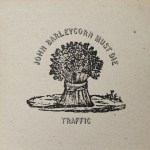
Many years ago, perhaps in 2015, while playing an especially transparent copy of John Barleycorn, we learned something new about the album. Although it was a title I had been playing since it came out all the way back in 1970, apparently things had changed.

This pressing made it clear — really, for the first time — exactly what Winwood was doing with his left hand on the piano during the song Glad.

There are two musical figures that one can focus on: one involving the lower notes, which tend to be blurry, obscured and murky on most pressings, and two, the right-handed higher notes, which are typically much more clear and audible in the mix.

Only the very best copies let us “see” the bass notes of the piano so clearly and correctly. Next time you’re in the mood to compare different pressings of Barleycorn, pay special attention to the lower notes of the piano on Glad. It is our contention, backed by mountains of evidence, that no two copies of the album will get that piano to sound the same. (It will also help if you have large dynamic speakers with which to do the test.)

Lately we have been writing quite a bit about how pianos are good for testing your system, room, tweaks, electricity and all the rest, not to mention turntable setup and adjustment.

  • We like our pianos to sound natural (however one chooses to define the term).
  • We like them to be solidly weighted.
  • We like them to be free of smear, a quality that is rarely mentioned in the audiophile record reviews we read.

(more…)

What Do You Hear on the Best Pressings of Quadrophenia?

Hot Stamper Pressings of the Music of The Who Available Now

They just plain ROCK HARDER than the other copies we play. Yes, they’re bigger. Yes, they have more weight and whomp down low. Yes, they are smoother and more natural up top.

But what really sets them apart is their tremendous ENERGY. The music explodes out of the speakers and comes to life on the best copies of Quadrophenia like few records you have ever heard. When we find more of that kind of power and energy on a record than the others in our shootout, all other things being equal, we have a name for them: White Hot Stampers.

It’s what you’re paying for — and what you get — for the kind of money we charge.

Dynamics and Energy

The sine qua non of rock records is that they rock. The rock records that earn the highest grades here at Better Records are usually the ones that have the most energy and power.

Transparency, Presence, Clarity, Tubey Magic, Sweetness and other favorites of audiophiles are important qualities in a record, but all of them pale in comparison to raw power when it comes to rock and roll.

For us, a transparent, sweet, lifeless record is just no fun, hence our disdain for Heavy Vinyl, which in our experience almost always lacks energy, along with lots of other things of course.

(more…)

Analog Transparency, and that Wonderful Feeling of Being There

 Hot Stamper Pressings of the Music of Neil Young Available Now

UPDATE 2026

Click on the link to see what we would typically have to say about a vintage After the Gold Rush. ATGR is a record, by the way, that we almost never have in stock.

As you might imagine, the right early pressings are tough to find in clean condition and gettng tougher by the day.

I suppose that’s the main reason audiophiles and music lovers buy these ridiculously bad sounding reissues — at least they’re new and quiet. Our advice is to buy the CD. It will have better sound and cost a lot less than a remastered pressing on Heavy Vinyl.


For our review of the Heavy Vinyl After the Gold Rush we noted:

Cleverly the engineers responsible for this remaster seem to have managed to reproduce the sound of a dead studio on a record that wasn’t recorded in one.

This pressing has no real space or ambience. Now the album sounds like it was recorded in a heavily baffled studio, but we know that’s not what happened, because the originals of After the Gold Rush, like most of Neil’s other albums from the era, are clear, open and spacious.

In other words, they are transparent. You can easily hear into the record all the way to the back of the studio.

You hear all the space surrounding the players.

Modern records, like the recent [well, 2009] After the Gold Rush are almost always opaque and airless. We can’t stand that sound. In fact it drives us crazy.

(more…)

This Is Why We Love Rudy Van Gelder’s Recordings from the 70s

Hot Stamper Pressings of Recordings by Rudy Van Gelder Available Now

The really good RVG jazz pressings of All the Kings Horses sound shockingly close to live music — uncompressed, present, full of energy, with the instruments clearly located and surrounded by the natural space of the studio.

As our stereo has gotten better, and we’ve found better pressings and learned how to clean them better, his “you-are-there” live jazz sound has begun to impress us more and more.

Obviously the credit must go to Rudy Van Gelder for recording and mastering the album so well.

Contrary to what you may have read, the early-70s were a good time for Van Gelder.

All the King’s Horses from 1973 is an amazing Demo Disc for a large group jazz ensemble, especially when played on big speakers at loud levels.

But it only sounds good on the copies that it sounds good on, on the pressings that were mastered, pressed and cleaned right, a fact that has eluded most jazz vinyl aficionados interested in good sound since the advent of the LP.

But not us. We’ve played the very special pressings that prove the album can sound amazing.

The best early pressings are spacious and full of life, with virtually no distortion. Of special note, our shootout winning copy had amazingly articulate bass which brought out the undeniable funkiness of the music in a way that no other copy did.

(more…)

Mozart – VTA and Balance

What to listen for ask?

Dry sound.

Some of the copies lacked the richness to balance out the clarity and were dry sounding. There is a balance to be found.

The right VTA will be critical in this regard.

When you have all the space; the clearest, most extended harmonics; AND good weight and richness in the lower registers of the cello, you are where you need to be (keeping in mind that it can always get better if you have the patience and motivation to tweak further).

For more advice on setting your VTA properly, please click here.

On the other side of that coin is smear, usually from too much tubey richness. Again, finding the balance is key.

Here are some other records that are good for testing string tone and texture.

(more…)

What to Listen For on Queen’s The Game

Hot Stamper Pressings of the Music of Queen Available Now

UPDATE 2026

Years ago we wrote:

The best sounding side ones were rarely as good as the best sounding side twos.

Not sure if that’s still true but you can check your own copy and see how the two sides compare.

Here some other records that often display side to side differences.


Our Old Commentary

Even the good side ones tended to have a trace of harmonic distortion and compression that is simply nowhere to be found on the good side twos. How and why this is we have no idea. Since every copy had the same sonic issues, we discounted it in our grading.

Only the better copies bring the hits on side one to life and give them the size and power we know they can have.

(more…)

Five Major Problem Areas in Audio

Hot Stamper Pressings of the Music of Prokofiev Available Now

UPDATE 2026

There was a time, perhaps ten years ago, that many EMI pressings finally started to sound a lot better to us than they had in the early- to mid-2000s when this commentary was written.

(2007 was the year everything changed, but it wasn’t 2007 yet. After being deep into audio for close to thirty years, it wasn’t until a few years later that we learned we still had a long way to go.)

Nowadays we can say that we are proud to offer some truly outstanding recordings conducted by Previn, Fremaux and others for EMI.


What to listen for on this album?

That’s easy: The all-too-common 70s EMI harshness and shrillness.

We could never understand why audiophiles revered EMI the way they did back in the 70s. Harry Pearson loved many of their recordings, but I sure didn’t. 

The longer I stay in this hobby, the more clear it becomes that many of the records on the TAS list are better suited to the old school audio equipment of the 60s rather than the modern approach to audio that is possible today thanks to the many revolutionary changes to every aspect of music reproduction that have come along in the last thirty years or so.

(Obviously there are plenty of audio systems from every era that, for all appearances, seem unlikely to reproduce music well, which goes a long way in explaining most of the rampant enthusiasm for the modern Heavy Vinyl pressing.)

These kinds of records used to sound good on those older systems, and I should know, I had an old school stereo even into the 90s. Some of the records that sounded good to me back then don’t sound too good to me anymore.

(more…)