mon-2026

How Do the Butterfly and Small Red E Pressings Sound on Strange Days?

Hot Stamper Pressings of the Music of The Doors Available Now

The Butterfly and Small Red E labels are so contemptibly thin and harsh they are not worth the vinyl they were pressed on.

You would be much better off with the DCC Gold CD than any of the reissue vinyl we’ve played.

The fact of the matter is that good digital beats bad analog any day.


This a Must Own Record, a 1967 recording with unbelievable RAW POWER. Most audiophiles very likely have no idea how well recorded this album is, simply because most pressings don’t do a very good job of translating the energy and life of the master tape onto the vinyl of the day.

The second Doors album is without a doubt one of the punchiest, liveliest, most POWERFUL recordings in the entire Doors catalog, right up there with their debut.

I’m guessing this statement does not comport with your own experience, and there’s a good reason for that: not many copies of the album provide evidence of any of the above qualities. Most pressings are opaque, flat, thin, veiled, compressed and lifeless. They sound exactly the way so many old rock records sound: like any old rock record.

Botnick Knocks It Out of the Park

But this album is engineered by Bruce Botnick. The right pressings give you the kind of low-end punch and midrange presence you hear on Love’s first album (when you play the right gold label originals). Botnick engineered them both, and what’s even more amazing is that The Doors second is in many ways an even better recording than Love’s!

Very tubey from start to finish, the energy captured on these Hot Stampers has to be heard to be believed. Not to mention the fact that the live-in-the-studio musicians are swimming in natural ambience, with instruments leaking from one mic to another, and most of them bouncing back and forth off the studio walls to boot.

But the thing that caught us most by surprise is how much LIFE there is in the performances on the better Hot Stamper copies. Morrison pulled out all the stops on songs like Love Me Two Times and the last track on the album, When the Music’s Over. Unless you have a very special pressing there is almost no chance you will ever hear him with this kind of raw power.

Top 100? If we could find more than a sporadic few clean, good sounding copies each year it would surely make the list, joining the other two of the band’s first four albums on there now.
Listening in Depth to Sounds of Silence

More of the Music of Simon and Garfunkel

Presenting another entry in our extensive Listening in Depth series with advice on what to listen for as you critically evaluate your copy of Sounds of Silence. Here are some albums currently on our site with similar Track by Track breakdowns.

Sounds of Silence is made from a second generation tape, as we explain below. Since we listen to all the records we sell, we like to point out such things so our customers know what they are getting.

This album is the proverbial tough nut to crack, a mix of folkie tracks and ambitious big production numbers, all recorded on a four track machine and bounced down maybe just a few too many times along the way. Some got handed a troublesome case of Top 40 EQ — hey, this is 1965, it’s the way they thought pop records should sound.

But many of the best tracks survived just fine. They can sound wonderful, it’s just that they rarely do. This is precisely where we come into the picture.

The key to good sounding pressings of this record is to look for the ones with a top end. Now of course you can’t see the top end when you buy the record. But most of the copies of this album you pick up are going to sound like cassettes. There won’t be much over 8K, and that means hard, harsh, transistor radio sound. You need extended highs to balance out the upper midrange.

(more…)

Album 1700 – Gold Versus Green

Hot Stamper Pressings of Folk Rock Records Available Now

In previous shootouts we felt strongly that the best Gold Label copies had the lock on Tubey Magic, while the best Green Label pressings could be counted on to offer superior clarity.

That was quite a few years ago, and as we never tire of saying, things have changed.

Now the Gold Label pressings have the ideal combination of Tubey Magic and clarity.

In fact, based on our recent shootout we would state categorically that the best originals are clearly better in every way, with the most vocal presence, the most harmonic resolution, the most space, the most warmth and intimacy, the most natural string tone on both the guitars and bass — in sum, the most of everything that allows a Hot Stamper vintage LP to be the most sublime musical experience available to any audiophile fortunate enough to own it.

Steve Hoffman’s famous phrase is key here: we want to hear The Breath Of Life. If these three gifted singers don’t sound like living, breathing human beings standing across from you — left, right and center — toss your copy and buy this one, because that’s exactly what they sound like here.

The TUBEY MAGIC of the midrange is practically off the scale. Until you hear it like this you really can’t even imagine it. It’s a bit shocking to hear each and every nuance of their singing reproduced so faithfully, sounding so much like live music.

This is high-rez ’60s style; not phony and forced like so much of what passes for audiophile sound these days, but relaxed and real, as if the recording were doing its best to get out of the way of the music, not call attention to itself. This, to us, is the goal, the prize we must constantly strive to keep our eyes on. Find the music, leave the rest.

(more…)

We Used to Sell the Dubby Reissues of Bud Shank And the Sax Section, Ouch

More of the Music of Bud Shank

I used to sell reissues of this record back in the day some twenty odd years ago. While they aren’t terrible — lackluster is a more apt description — we can clearly hear now that they are made from second generation tapes.

The stage is recessed and collapsed, and the sound never gets big enough nor lively enough to free itself from the speakers. (This happens to be our all-too-common experience with many of the Heavy Vinyl pressings we audition and consequently write mean things about. Can you blame us? We loathe that sound.)

It’s yet another example of a record we was wrong about. Live and Learn, right?

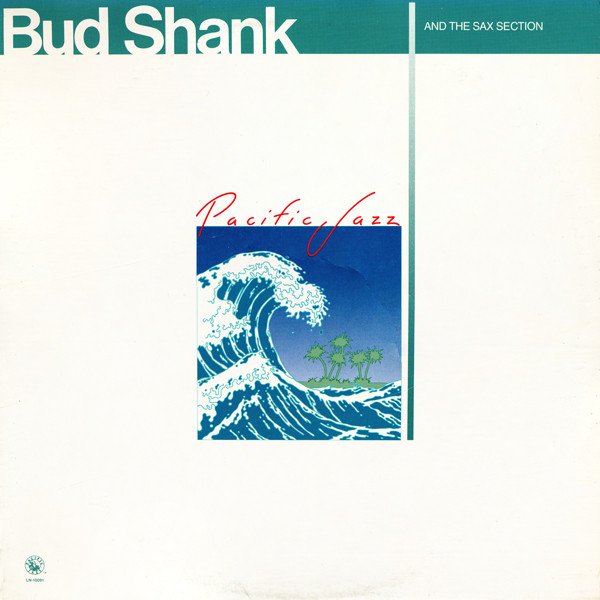
I would not buy any Pacific Records pressing with this style reissue cover. We’ve never heard one sound better than mediocre on our current system.


This record sounds best this way:

(more…)

Letter of the Week – Uncleaned Ah Um Originals vs. Cleaned Reissues

More of the Music of Charles Mingus

The letter below sheds some light on a vitally important mastering issue: specifically, the answer to the question, Which are better sounding, originals or reissues?

The letter finishes this way.

Incidentally, just a couple of days ago I conducted my own shootout between the Red Label “Mingus Ah Um” I bought from you a few weeks back and my pristine, Six Eye White Label Promo original. To my surprise, you were absolutely right about the greater clarity of the former (starting with the snare drum on the first track).

If I had to choose between them when selecting half a dozen “desert island” LPs (and “Mingus Ah Um” would definitely be one), the Red Label version would be the pick. Much obliged for the edification.

We of course could not agree more. We wrote back:

Once you hear the sound of “old school mastering” and get to know it, you can recognize it for what it does right and what it too often does wrong. Then, and only then, can you appreciate what is really happening when switching from newer to older pressings, what is being gained and what is being lost.

It’s the kind of Home Audio Exercise we constantly talk about on the site. And there’s a good reason for that.

As we never tire of saying, hearing is believing.

Update 2022

We do not want to give the wrong impression about Ah Um. At least one of the original stereo pressings, properly cleaned, assuming we have a few to play, will win the shootout every time.

Which one will win we never know. But one of them will.

No Red Label pressing from the 70s will beat a top quality Six-Eye.

But if you have an original and it is not cleaned right, which is almost always going to be the case, since most cleaning fluids and machines these days do not do a very good job of making your records sound the way they should, then our Red Label reissue can beat your copy. Which is what our letter writer found to be true.

(more…)

Atlantic Crossing – Thick, Dull and Dubby on British Vinyl

Another Well Recorded Album that Should Be More Popular with Audiophiles

The copies we liked best were the biggest and richest, the least thin and dry. Many of the brighter copies also had sibilance problems which the richer and tubier ones did not.

On some of the Rod Stewart albums that we happen to know well, the British pressings are clearly superior; the first two Rod Stewart albums come immediately to mind. After that, strange as it may seem, all the best pressings are domestic. This album is certainly no exception.

I remember bringing back a few Brit copies from England many years ago and being surprised that they were so thick, dull and dubby sounding. Of course, they were; the album was recorded right here in the good old US of A. The master tapes are here. The Brit pressings sound dubby because they are made from copy tapes.

If there is any doubt, the following is a list of the studios in which Atlantic Crossing was recorded.

  • A&R, NY
  • Criteria, Miami, FL
  • Wally Heider, Los Angeles, CA
  • Hi Recording and
  • Muscle Shoals Sound, AL

(more…)

Judy Collins #3 – Gold Versus Red Label in 2007

More of the Music of Judy Collins

This commentary was written in 2007, and our system was not as revealing back then as it is now. Also we had not discovered the Walker Record Cleaning Fluids.

We tend to prefer the Gold Label Elektra pressings on this album now, but we like to keep an open mind, so that if a Red Label pressing wins a shootout, we don’t have to say we was wrong again.

As for other records we may have been wrong about, you can find some of them here under the heading: Live and Learn.


This is a Minty Elektra Red Label LP with two AMAZING sounding sides! Typical copies are dull and thin sounding, making Judy Blue Eyes’ beautiful voice sound honky and weak like she has a head cold. This copy is the remedy!

It has rich, full-bodied sound with the sweetest highs and tons of ambience, especially around the guitars and bass. Most importantly, there is virtually NO STRAIN on the her vocals, which is extremely rare.

Out of the three labels we listened to for this shootout, nothing could compare to this Red Label.

(more…)

The Original Pressings of The Beatles Albums Are the Best Sounding, Right?

beatles help labelHot Stamper Pressings of the Music of The Beatles Available Now

No, they are most definitely not. At least the ones on the label you see pictured are not (with the exceptions noted below).

We think it’s just another example of mistaken audiophile thinking.

Back in 2005 we compared the MFSL pressing of Help to a British Parlophone copy of the Help album and were — mistakenly, as you may have already surmised — impressed by the MoFi. We wrote:

Mobile Fidelity did a GREAT JOB with Help!. Help! is a famously dull sounding record. I don’t know of a single original pressing that has the top end mastered properly. Mobile Fidelity restored the highs that are missing from most copies.

The source of the error in our commentary above is in this sentence, see if you can spot it:

I don’t know of a single original pressing that has the top end mastered properly.

Did you figure it out? If you’ve spent any time on this blog you did.

Original pressing?

Is that the standard?

Why? Who said so? Where is it written?

(more…)

What Happens When the Gold Label Doesn’t Have the Best Sound on Both Sides?

More of the Music of The Doors

It gets marked the sonic grade it earns.

If a Big Red E label pressing sounded better to us on side two, if it somehow managed to sound better than any of our Gold Label originals, then it would earn the top grade on side two.

Here is how we described a killer copy we had not long ago:

With a Triple Plus (A+++) shootout winning side two and a Double Plus (A++) side one, this copy is practically as good as it gets. The sound on this Gold Label pressing is incredibly powerful — big, rich, full-bodied, present and lively. It’s HUGE, RICH, and FULL-BODIED, exactly the way it should be.

But note that side two was clearly not as good as side one. Even the best early pressings cannot be relied on to get both sides right. The pressing above is proof. We discuss the issue in the commentary below.

(more…)

On Tarkus, Only the Brits Have the Tubey Magical Sound We Love

Hot Stamper Pressings of the Music of Emerson, Lake and Palmer Available Now

This killer copy features some of the more intense prog rock sound to hit our table in quite some time. This is a true Demo Disc LP, one of the most dynamic and powerful rock recordings ever made.

The organ captured here by Eddie Offord (of Yes engineering fame, we’re his biggest fans) and then transferred so well onto our Hot Stamper pressings will rattle the foundation of your house if you’re not careful. This music really needs that kind of megawatt reproduction to make sense. It’s big Bombastic Prog that wants desperately to rock your world. At moderate levels it just sounds overblown and silly. At loud levels it actually does rock your world.

Unlike most British pressings of the first album, the Brits here really ROCK, with greater dynamic contrasts and seriously prodigious bass, some of the best ever committed to vinyl. This music needs real whomp down below and lots of jump factor to work its magic. These Brits are super-low distortion, with an open, sweet sound, especially up top, but they still manage to convey the awesome power of the music, no mean feat.

All but the best Brit pressings have a tendency to be a bit turgid and many of them lack the bottom end weight that music like this absolutely needs in order to work its magic. There are some good domestic copies — not in a league with the best Brits at all — but most of them have sub-generation sound that robs the instruments of their immediacy and texture (much the same way that Heavy Vinyl does, truth be told).

(more…)