*Mastering Issues

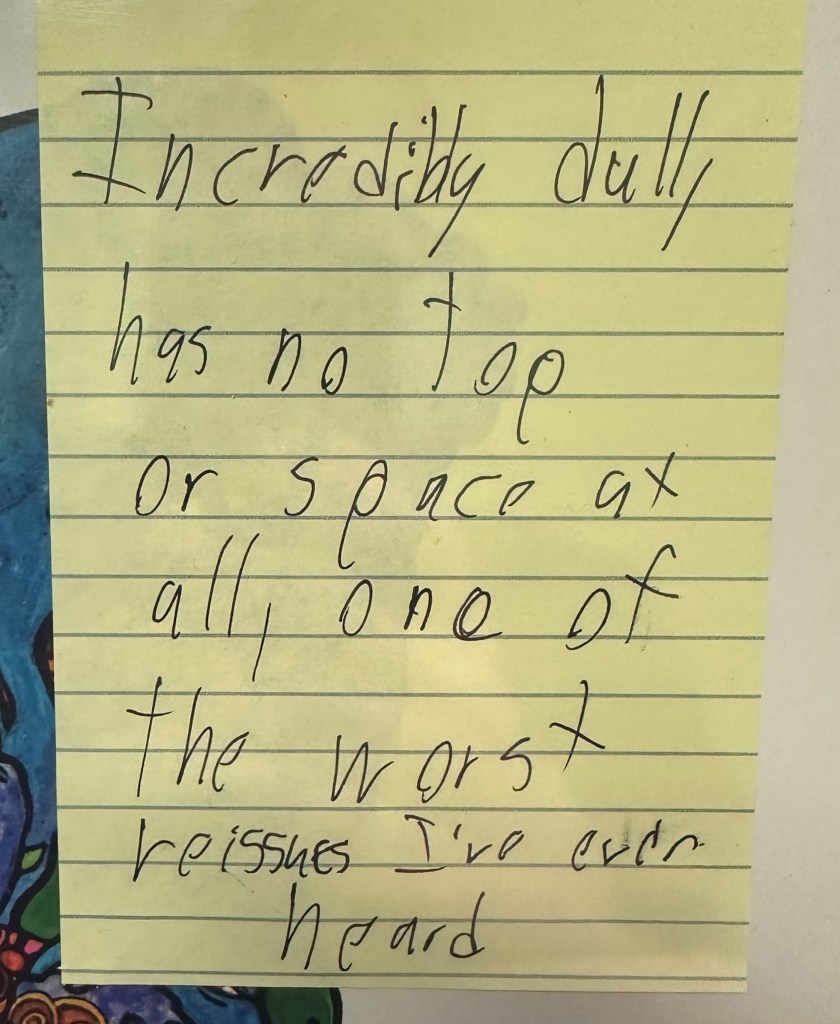
Does Year of the Cat on Mobile Fidelity Have Audiophile Sound?

Hot Stamper Pressings of the Music of Al Stewart Available Now

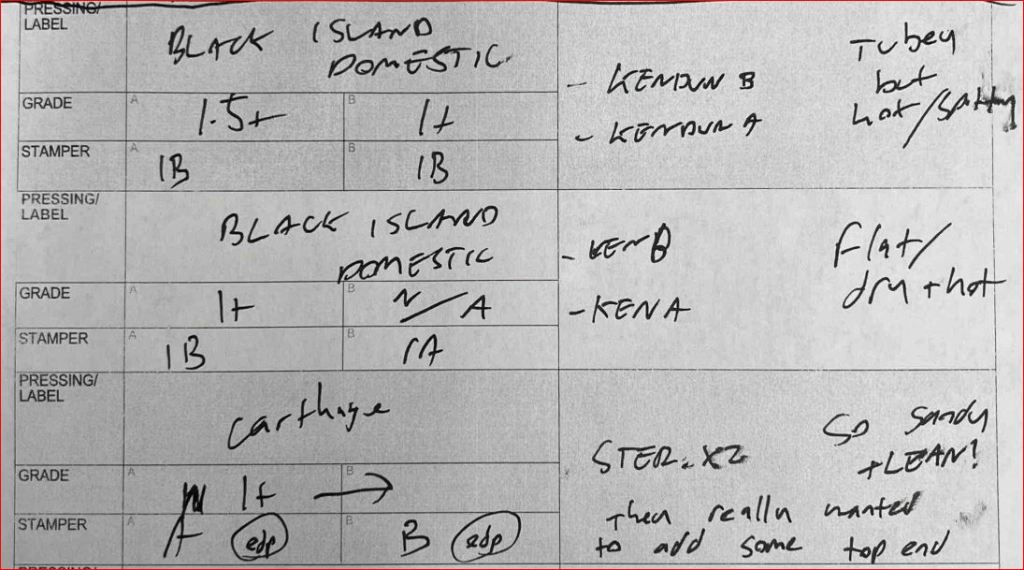
Our answer, judging by the copy we played not long ago, would be solidly in the negative. The final grade we awarded both sides was No, our way of saying the record is Not Good.

Below is a description for what a top copy of the album sounds like, based on our most recent shootout:

Incredible sound throughout this vintage Janus pressing of Stewart’s 1976 Masterpiece. With engineering by Alan Parsons, the top pressings are every bit the audiophile Demo Discs you remember. The best sides have sweet vocals, huge amounts of space, breathtaking transparency, and so much more.

Tubey Magical acoustic guitar reproduction is superb on the better copies of this recording. Simply phenomenal amounts of Tubey Magic can be heard on every strum, along with richness, body and harmonic coherency that have all but disappeared from modern recordings (and especially from modern remasterings).

But if you own the wrong Mobile Fidelity pressing — this one was reissued in 1981, the original came out in 1978, so there may be some other pressings that sound better than this one — you would never know how good sounding the album can be. We put a copy we had laying around in a shootout recently and the results were, not to put too fine a point on it, pretty painful.

As the notes make clear, the Mobile Fidelity pressing, with the stampers you see on the sheet above, is:

(more…)

How Paul and Judy Finally Turned Me Against DCC

Hot Stamper Pressings of the Music of Paul Simon Available Now

When I finally got around to comparing the two, I remember being taken aback by how much better my original Artisan pressing sounded than the supposedly superior DCC, the one pressed at high quality Heavy Vinyl at RTI to the most exacting standards possible, yada, yada, yada.

What finally turned me completely against DCC were the awful Paul Simon solo albums they remastered.  Two were released, two I had as unreleased test pressings, and all of them were clearly and markedly inferior to the good original pressings I had owned.

So much for believing in DCC.

Since that time we have learned that placing your faith in any record label or cutting operation is a mistake.

You have to play the records to know how they sound.

Nothing else works, and nothing else can work.

(more…)

If It’s Made from the Real Master Tape, Shouldn’t Blue Sound Better than This?

Hot Stamper Pressings of the Music of Joni Mitchell Available Now

UPDATE 2026

I wrote the commentary you see below way back in 2006. I wanted to give our customers an incentive to critically listen to the new Rhino pressing of Blue, a Heavy Vinyl reissue we actually gave out for free with every Hot Stamper of the album we sold.

We wanted our customers to try and answer the question I had posed in my review as to what aspect of the sound was improved in the new pressing, relative to the vintage copy they would have just purchased from us.

For those of you who have been reading our commentaries about modern remasterings, you know that rarely do we find any area of their sound that could be considered in any way “improved.”

As you will see from our commentary below, no less a personage than Michael Fremer had said at the time that the Rhino pressing “has far greater presence and physicality and is more immediate, dynamic, detailed and especially transparent.”

As hard as it may be to believe, I actually agreed with him about one of those qualities.

I’ve broken down his list below. If you have one of our Hot Stampers and the Rhino reissue, play them back to back and try to hear what is better about the reissue. Which of the following does it have more of compared to even the best vintage pressings?

  • More presence,
  • More physicality (whatever that is),
  • More immediacy,
  • More dynamics.
  • More detail,
  • More transparency

I had posed this question on the blog over the course of many years and never got anything approaching a serious answer.

I was going to reveal what quality I thought it was at some point, but I have since decided that it is better left for the reader to figure out for himself rather than have me tell him. What do you learn from being given an answer? Nothing, or next to nothing, so why do it?

Similarly, the Heavy Vinyl Led Zeppelin II and Brothers in Arms reissues are very good sounding records, with obvious shortcomings which I had hoped my readers would be able to spot and write to me about. None have to date, or at least none have told me what they are, which works out to be more or less the same thing.

I will have a great deal more to say on this subject down the road, one that is critically important for audiophiles regardless of their experience. For now let me leave you with what Steve Hoffman had to say about the work he did on Blue. (You can find the quote on Joni Mitchell’s website.)

This is a really wonderful album; Joni just laid it all out there for the world to hear. Brave, especially back in the day & I feel that this new version is the true giant killer.

Unlike the original 1970’s pressings, this new version was mastered without ANY added compression whatsoever, making it a true problem child in cutting (of our own making) but I wouldn’t have it any other way. After many spoiled lacquer masters and one too many Altoids, it was finished to everybody’s satisfaction.

The effort was worth it. The ebb and flow of the music is totally intact. Parts were cut, plated and pressed at Record Tech (RTI) and the actual 1971 Reprise master tape (as recorded and mixed at A&M Recording Studios) was used in disk cutting, bypassing the usual/”EQ’d and Compressed Cutting Master” completely.

Unlike the DCC, most of the songs on this vinyl version were cut without ANY equalization at all so this will be the closest you will ever be able to get to the sound of the true master tape of Blue. It was exciting to work on and I’m sure it will please y’all.

Steve Hoffman, mastering engineer

(more…)

You Say Your Shaded Dog Just Sounds Like an Old Record?

Hot Stamper Pressings of the Music of Tchaikovsky Available Now

The better pressings of LSC 2328 have some of the best sound we have ever heard for The Nutcracker. We’ve played recordings of the work by the dozens, on the greatest Golden Age labels of all time, including the likes of Mercury, RCA and London. (Our current favorites of both the suites and the complete ballet are those conducted by Ansermet for Decca.)

The CSO, as one might expect, plays this work with more precision and control than most others. They also bring more excitement and dynamic contrasts to their performance, adding greatly to our enjoyment of the music.

Some may find the performances a bit rushed. That was our experience during our most recent shootout.

But skip 9s/6s. We had two copies and both of them sounded too much like an old record.

Pressings with those stampers might be passable, even to some degree enjoyable, especially when played on an old school system, but they would not be worth bothering with on the high quality modern equipment we use.

There are quite a number of other records that we’ve run into over the years with a catalog of obvious shortcomings — obvious to us but not necessarily to others — and we’ve broken them down into the three major labels that account for most of the best classical and orchestral titles we’ve had the pleasure to play.

(more…)

Always wanted to have a Plum and Orange pressing? Here’s your chance!

Hot Stamper Pressings of the Music of Led Zeppelin Available Now

We should have titled this one “here was your chance” since this pressing sold very quickly.

Over the years most Plum and Orange pressings were disposed of by us on ebay for the benefit of collectors and those audiophiles who might be ill-informed enough to think that early British pressings would have the best sound for Led Zeppelin III.

They do not. They can, however, sound reasonably good in some cases with the proper cleaning.

However, they are not even Double Plus (A++) good, which sounds like something from the novel 1984 but is in fact a Very Good grade and guaranteed to trounce any and all copies of the album you have ever heard.

No, the best Zeppelin album we have played to date with the early label in this case earned a grade of Single Plus to Double Plus, which we describe as “[a] wonderful sounding side with many impressive qualities, notably better than a Single Plus copy. A big step up from the typical pressing.”


UPDATE:

We do not even offer Single Plus copies on the site anymore. Although their faults would be less obvious to anyone who went through the shootout process with the album, such faults are much too bothersome to us precisely because we did go through that process.

Once you know what is right, it’s very easy to spot what is wrong.

This is the foundational principle of Hot Stampers.

(more…)

Good Digital Beats Bad Analog Any Day

Hot Stamper Pressings of the Music of Sonny Rollins Available Now

And this is some very bad analog indeed!

We here present our 2010 review of the Sonny Rollins Plus 4 album, the one remastered on two slabs of 45 RPM Analogue Productions Heavy Vinyl.

It has everything going for it, right?

Steve Hoffman, Kevin Gray, 45 RPMs, Heavy Virgin Vinyl, fancy packaging — clearly no expense was spared!

The ingredients may have been there, but the cake they baked was not only not delicious, it was positively unlistenable — I mean, inedible.

I cannot recall hearing a more ridiculously thick, opaque and unnatural sounding “audiophile” pressing than this Rollins record, and believe me, I’ve heard plenty. (And it seems the bad news will never stop.)

As I noted in another commentary “Today’s audiophile seems to be making the same mistakes I was making as a budding enthusiast more than thirty forty years ago. Heavy Vinyl, the 45 RPM 2 LP pressing, the Half-Speed limited edition — aren’t these all just the latest audiophile fads, each with a track record more dismal than the last one?”

It reminds me of the turgid muck that Doug Sax was cutting for Analogue Productions back in the 90s. The CD has to sound better than this. There’s no way could it sound worse.


CD Update:

I managed to track down a copy of the CD and it DOES sound better than this awful record, and by a long shot. It’s not a great sounding CD, but it sure isn’t the disaster this record is.

Buy the CD, and whatever you do, don’t waste money on this kind of crap vinyl.


This is a very bad sounding record, so bad that one minute’s play will have you up and out of your chair trying to figure out what the hell is wrong with your system. But don’t bother. It’s not your stereo, it’s this record.

It has the power to make your perfectly enjoyable speakers sound like someone wrapped them in four inches of cotton bunting while you weren’t looking.

(more…)

clone me Shaded Dog Stampers to Avoid on XXX passable sheet 1+

Hot Stamper Pressings of Living Stereo Titles Available Now

Even though they had the Shaded Dog label, some of the later stampers for this record were not very good sounding compared to the ones that won our shootouts.

15s on side one earned a grade that would prevent it from being sold as a Hot Stamper pressing. There was no reason to play side two (13s) since side one eliminated this copy from the competition.

The 1+ grade found on this side one means it’s simply not very good, Shaded Dog label or no Shaded Dog label.

Pressings with these stampers might be passable, even to some degree enjoyable, especially when played on an old school system, but they would not be worth bothering with on the high quality modern equipment we use.

In this case, the conventional wisdom that the original pressings will most likely have superior sound to the later-numbered copies turns out to be right.

The average Shaded Dog may be better than the average classical record, but that certainly doesn’t mean it has any claim to audiophile sound. We’ve played bad early RCA pressings by the hundreds. Now, finally, with this blog we can point some of them out to those record lovers who are more interested in top quality sound than an original label.

For those who might be interested, there’s more on our grading scale here.

There are quite a number of other records that we’ve run into over the years with obvious shortcomings.

(more…)

FM Radio Sound on Blue Vinyl, Courtesy of a Mr. Gene Thompson

Hot Stamper Pressings of the Music of The Beatles Available Now

Here is how we described a recent Shootout Winning copy of 1967-1970:

This vintage import 2-LP compilation set boasts STUNNING Shootout Winning Triple Plus (A+++) sound or close to it on all FOUR sides. These pressings are rich, smooth and sweet, with plenty of Tubey Magic and little of the grain and grunge of most Brits (and don’t get us started on the domestics).

You get clean, clear, full-bodied, lively and musical ANALOG sound from first note to last. Like most compilations, some songs sound better than others, but “Don’t Let Me Down” and “Come Together” are two that really stand out here. For those of you out there who have never tried one of our Hot Stamper Beatles records, this may be the best sound you’ve ever heard from them. The CDs — even the new ones — sure don’t sound like this!

We are on record as finding the British pressings of 1967-1970 too bright; certainly most of them are anyway. The original domestic pressings, as anyone who has ever played one can attest, mastered at Sterling no less, are absolutely godawful.

Allow us to add one more to that group of pressings to avoid, the blue vinyl domestic pressings mastered by Gene Thompson. Based on how awful this pressings sounds, it would probably be wise to avoid his work in general.

The only artists who have earned the honor (ahem) of having their very own page on this blog are The Beatles. For those of you interested in learning more about their often amazing recordings, feel free to dig in to your heart’s delight.

(more…)

Could This Be More of the Sound Audiophiles Complain About with RVG’s Mastering?

Hot Stamper Pressings of the Music of John Coltrane Available Now

Some of the Rudy Van Gelder cuttings of this album were decent, but had you bought a copy with these stampers, you could be forgiven for using the man’s name in vain.

VAN GELDER in the dead wax is no guarantee of high quality sound, on any record. Records don’t work like that.

The 1+ grade found on side one of both discs means the sound for those two sides may be passable, but the NFG sound on side two of record one means you have at best only half an album with decent sound, and what good is that?

As you can see from our notes, the sound is way too hot and messy and thin.

Note that side two of the second record wasn’t played at all. Why waste more time on a record that clearly did not come off the press properly, whether from bad mastering or bad vinyl? Or bad something else, who can say?

We do not sell records with 1+ grades. You should have no trouble finding those on your own. The world is full of them.

Poor Rudy

Rudy Van Gelder comes in for a lot of criticism from the audiophile community, especially from audiophiles who tend to prefer the remastered Heavy Vinyl pressings made from his recordings.

Unsurprisingly, much of the criticism comes from some of the very same engineers responsible for the remastering those records.

Those who produce reissues of his recordings are notable critics as well.

(more…)

Thriller Is Proof that Bernie Grundman Was Cutting Great Records in 1982

Hot Stamper Pressing of the Music of Michael Jackson Available Now

This commentary was written many years ago, probably in 2007, right around the time that our system really started to get Thriller to sound good, owing to advances we had made in cleaning and playback. We went into a great deal more detail about those changes in this commentary, which compares the sound of Thriller from the 80s and the sound of Thriller today.

Our old friend Bernie Grundman handled the mastering for Thriller and managed to do a really nice job. Unfortunately, most copies of this mass-produced classic don’t give you as much of the magic as other copies, including the ones BG mastered.

The sound on this copy is huge — big, wide, deep, and open, with the kind of three-dimensional soundstaging that lets the music unfold in front of you and around you as well. You get the bottom-end punch that’s so crucial to this music and tons of energy. The bass is meaty and well-defined, showing you the rhythmic foundation that the music needs. The sound is transparent with amazing texture to practically every element.

Michael’s voice is marvelous on this copy — breathy, textured, and positively dripping with emotion (just listen to him break down on The Lady in My Life).

Thanks to constant improvements in our stereo, we’re now getting this album to sound better than it ever has. Extended highs appeared where none had been before. We were hearing synthesizers buried deep in the mix we’d never heard. All of a sudden, these ’80s pop records had amazing analog magic.

If your system is up to the task, you won’t believe how big and lively this album sounds. Who woulda thunk it?

In a more recent commentary we went into some detail about Bernie Grundman’s shortcomings as a mastering engineer.

(more…)